 Emma Lawson
For the first time in 50 years, the U.S. government just officially blessed low-carb diets as a legitimate strategy for type 2 diabetes, metabolic syndrome, and insulin resistance. If you’ve been doing keto quietly, wondering if you’re going against nutritional science, January 2026 changed something important. The USDA’s updated dietary guidelines now treat low-carb approaches as equally valid to traditional calorie restriction.
But here’s what most people don’t realize: the government approval is only half the story. Just two months later, a massive Harvard study of nearly 200,000 people landed like a bucket of cold water on the keto world. The headline wasn’t “low-carb diets are healthy.” It was “the type of low-carb diet you choose determines whether your heart stays healthy or gets damaged.” That’s the tension we’re living in right now, mid-2026. The carbs-versus-no-carbs debate is essentially over. What matters now is what you’re actually eating when you cut carbs.
The USDA Just Changed the Rules, But It’s More Specific Than You Think
The new Dietary Guidelines for 2025-2030 don’t say “eat keto.” They say that for people managing metabolic conditions, a ketogenic approach is one evidence-based option, no longer a fringe choice to be warned against. This matters for legitimacy, especially if your doctor used to default to doubt. But read carefully: the guidelines shifted what counts as healthy fat and protein. The updated food pyramid moves refined carbs to the top (consume sparingly), and puts protein and healthy fats at the foundation, which is the opposite of the low-fat dogma most of us grew up with.
What’s also new is the acknowledgment of full-fat dairy. For decades, the standard advice was skim milk and low-fat yogurt. The 2026 guidelines now recognize that whole-food, full-fat dairy may actually reduce cardiovascular disease risk, not increase it. If you’re doing keto and choosing whole milk cheese, full-fat Greek yogurt, or butter from grass-fed sources, you’re now in alignment with updated government guidelines. The caveat is “whole-food sourced.” That doesn’t mean processed dairy products with added gums and seed oils.
The Harvard Study That Changes Everything
In February 2026, researchers tracking 198,473 people over more than five million person-years published something in JACC (Journal of the American College of Cardiology) that every keto person should understand. They found that healthy low-carb diets reduced heart disease risk by 15 percent. The word “healthy” is doing the heavy lifting here.
A healthy low-carb diet in their definition meant emphasizing plant-based foods, unsaturated fats, and whole foods. An unhealthy low-carb diet meant relying on refined carbs (when you do eat them), saturated fats from processed sources, and ultra-processed animal products. The people who went keto on bacon, processed cheese, and low-carb packaged snacks didn’t see the cardiovascular benefit. Some actually had higher risk.
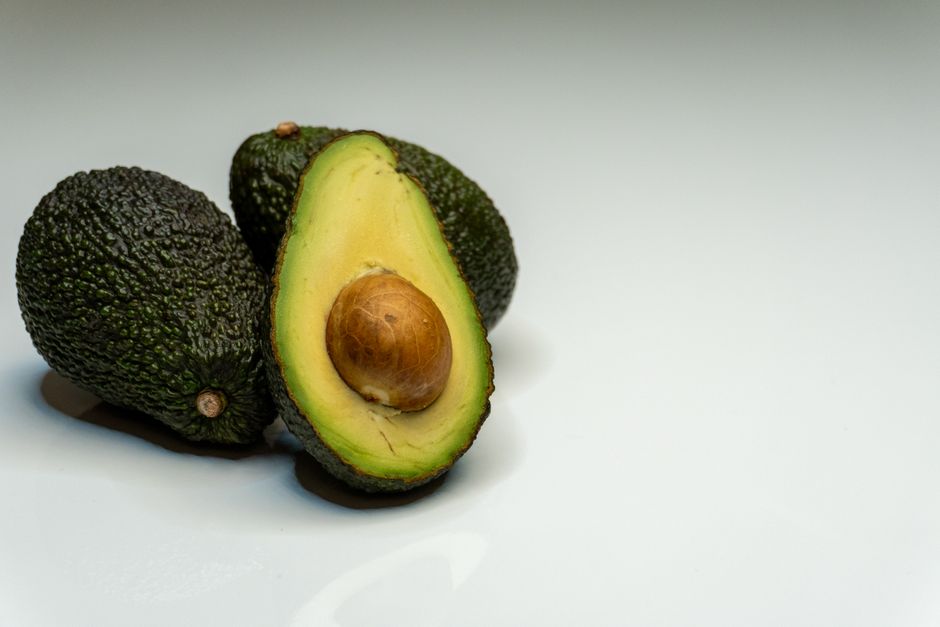
I’ve seen this play out in my practice dozens of times. Two people both doing “keto,” but one is eating grass-fed beef, avocado, olive oil, and leafy greens, while the other is living on keto bread, pork rinds, and butter. The second person often feels worse after a few months, despite being “in ketosis.” The science now confirms what clinical experience suggested: it’s not about carb restriction alone.
What This Means for Your Actual Food Choices
| Food Category | Healthy Low-Carb Choice | Avoid (Unhealthy Low-Carb) |
|---|---|---|
| Fats | Olive oil, avocado oil | Seed oils, processed sources |
| Proteins | Grass-fed beef, wild-caught fish, pastured eggs | Processed meat, ultra-processed animal products |
| Dairy | Full-fat whole-food sources, real cheese | Individually wrapped processed cheese, added gums |
| Vegetables | Non-starchy vegetables, leafy greens | Refined carbs when eaten |
| Snacks | Nuts, seeds, whole foods | Keto snack bars, keto cookies, keto bread |
| Oil Type | Olive oil | Seed oils |
If you’re on keto or considering it, the research from 2026 gives you a practical quality filter. Ask yourself: if I listed everything I ate yesterday, would a cardiologist recognize it as whole food?
The healthiest low-carb approach emphasizes non-starchy vegetables, high-quality proteins (grass-fed beef, wild-caught fish, pastured eggs, quality poultry), nuts and seeds, avocados, olive oil, and full-fat dairy from whole-food sources. Olive oil, not seed oils. Walnuts and almonds, not processed “keto snack bars” with 15 ingredients. Real cheese, not the individually wrapped singles wrapped in plastic.
This doesn’t mean you have to shop exclusively at farmers markets or spend a fortune. But it does mean being intentional about ultra-processed alternatives. The keto market hit $20.7 billion projected by 2033, and a huge chunk of that growth is online sales of convenience foods: keto cookies, keto pasta, keto chocolate bars. These exist because they’re profitable, not necessarily because they’re moving you toward health. They’re often high in seed oils, sugar alcohols that cause digestive issues, and additives that your great-grandmother wouldn’t recognize.
The Real Question: Is Keto Right for Your Situation?
The 2026 guidelines and research confirm what I’ve observed: keto can work brilliantly for type 2 diabetes, metabolic syndrome, and insulin resistance when it’s done with quality whole foods. The metabolic benefit is real. But it’s not the only diet that works, and it’s not automatically right for every person.
If you have diagnosed metabolic disease and you’re considering keto, the new government validation means your doctor is more likely to support the decision than they would have been in 2025. But “official endorsement” doesn’t mean “optimal for you specifically.” Some people thrive on keto. Others find it unsustainable, feel worse on it despite being in ketosis, or have specific health conditions that complicate it (certain thyroid disorders, for example, or a history of gallstones).
What changed in 2026 is that you’re no longer choosing between “the healthy diet” and “keto.” You’re choosing between different approaches, each with evidence behind it. The quality question is the real one now.
Building a Keto Approach That Actually Works
If you decide keto is for you, use the Harvard research as your quality benchmark. Here’s the practical side: prioritize animal and plant foods you could identify at a farmer’s market. If the ingredient list on a “keto-friendly” product is longer than the ingredients in a home-cooked meal, question it.
For cardiovascular protection specifically, the research points to including plant foods even on keto. That means leafy greens, cruciferous vegetables, avocados, and berries within your carb limit. Nuts as snacks. Olive oil as your primary fat source when possible, balanced with other healthy fats. If you eat meat, quality matters more than quantity. Grass-fed beef, wild fish, and pastured poultry are worth prioritizing if your budget allows, because they have better omega-3 profiles.
The frustrating part of all this is that it requires more intention than opening a box of keto snacks. But six months of eating real food on keto will tell you more than someone’s marketing copy ever could. You’ll feel the difference in energy, blood work, and how your clothes fit.
The government’s 2026 shift toward acknowledging low-carb diets as valid represents real movement in nutrition science. But the Harvard study reminds us that the government endorsement is only as good as the food choices you make inside of it. Quality always mattered. Now we have the research to prove it, and the official permission structure to match.
Sources
- New Food Pyramid 2026: A Game-Changing Shift in Dietary Guidelines (April 2, 2026)
- Healthy Versions of Low-Carb and Low-Fat Diets Linked to Better Cardiovascular and Metabolic Health (February 11, 2026)
- Low Carb and the New 2026 Dietary Guidelines (February 26, 2026)
- Ketogenic Diet Market Size And Share Report, 2026-2033 (June 2026)
Photo: Farhad Ibrahimzade via Pexels
This article is for general informational purposes only and does not constitute medical or dietary advice. Always consult a licensed healthcare provider or registered dietitian before making significant changes to your diet, especially if you have a medical condition.