 Emma Lawson
The keto community spent years being told they were eating against official advice. That changed on January 7, 2026. When HHS and USDA released the 2025–2030 Dietary Guidelines, they didn’t just nudge the needle , they inverted the food pyramid, formally demoted grains, and included a ketogenic dietary model by name for the first time in the guidelines’ history. Seven months later, most coverage is still either breathless celebration or reflexive suspicion. Neither is especially useful if you’re trying to figure out what, practically, has changed for you.
Here’s what actually matters: the new guidelines set a carbohydrate range of 5–20% of energy for ketogenic eating patterns, raised the protein target to 1.2–1.6 g per kg of body weight per day (up from the long-standing 0.8 g/kg minimum), and walked back the decades-old war on full-fat dairy. According to OneDayMD’s February 2026 analysis, this represents “one of the most dramatic shifts in federal nutrition advice in decades.” The New York Nutrition Group put it more bluntly: welcome to the upside-down food pyramid.
That said, official recognition isn’t the same as a blank check. The guidelines were immediately shadowed by controversy, and if you’re going to use this policy shift to make decisions about your own eating, you deserve the full picture. If you have a medical condition, these guidelines don’t replace a conversation with your doctor or dietitian.
- The 2025–2030 guidelines formally recognize keto at 5–20% of daily energy from carbs , a first.
- Protein targets rose to 1.2–1.6 g/kg/day, aligning with what most keto practitioners already recommend.
- Full-fat dairy is no longer discouraged; the guidelines acknowledge it "may have potential" benefits.
- The American Diabetes Association's 2026 Standards of Care separately endorsed low-carb for type 2 diabetes prevention.
- Industry ties and opaque review processes raise legitimate questions about how these guidelines were made.
What “Official Recognition” Actually Means for Keto
Before anyone declares victory, it’s worth being precise about what the guidelines do and don’t say. They include keto as one recognized dietary pattern among several. They don’t mandate it, don’t say it’s superior, and don’t change insurance coverage or clinical protocols overnight. What they do is remove the institutional stigma that made it hard for doctors to recommend keto without feeling like they were going off-script.
That’s not nothing. For years, clinicians who wanted to suggest low-carb eating to a patient with obesity or prediabetes were working against the grain (no pun intended) of official federal nutrition guidance. Now they’re not. The American Diabetes Association’s 2026 Standards of Care moved in the same direction, naming low-carbohydrate eating as an evidence-based pattern for type 2 diabetes prevention. Two major institutional bodies pointing the same way in the same year creates real clinical permission that wasn’t there before.
For everyday keto eaters, the change is more psychological than mechanical. If your approach was already working, nothing in these guidelines requires you to change it. What changes is that your GP can no longer dismiss the dietary pattern as fringe.
The Protein Number Deserves More Attention Than It’s Getting
The protein revision is flying under the radar, and it shouldn’t. Moving from 0.8 g/kg to 1.2–1.6 g/kg is a substantial shift. For a 75 kg (165 lb) person, that’s the difference between a 60 g daily target and a 90–120 g target. The higher end aligns almost exactly with what strength-focused keto practitioners have been recommending for years, and it has real implications for body composition, satiety, and muscle preservation during weight loss.
The comparison below shows how that translates across common body weights:
| Body weight | Old target (0.8 g/kg) | New target range (1.2–1.6 g/kg) |
|---|---|---|
| 60 kg (132 lb) | 48 g/day | 72–96 g/day |
| 75 kg (165 lb) | 60 g/day | 90–120 g/day |
| 90 kg (198 lb) | 72 g/day | 108–144 g/day |
| 110 kg (242 lb) | 88 g/day | 132–176 g/day |
Most people doing keto reasonably well are already hitting somewhere in that new range. But if you’ve been tracking and keeping protein deliberately low out of concern about gluconeogenesis, this is a good moment to reconsider. The evidence that moderate protein “kicks you out of ketosis” has always been weaker than the internet made it sound.
The Fat Question: Full-Fat Dairy Gets Rehabilitated
The guidelines’ acknowledgment that full-fat dairy “may have potential” benefits is careful language, but it’s a real departure from 50 years of low-fat orthodoxy. The Atkins team, in their February 2026 breakdown, noted this as one of the more practically significant changes for low-carb eaters, since whole milk, cheese, butter, and full-fat yogurt have been dietary staples in keto practice for years while simultaneously being “forbidden” by official guidance.
This doesn’t mean cream cheese is a health food with no limits. It means the blanket recommendation to choose low-fat dairy over full-fat has lost its federal backing, and the evidence behind it was always thinner than the packaging suggested. If you’ve been using full-fat dairy as part of a well-structured keto approach and your lipid panel looks reasonable, you now have institutional backing for what you were already doing.
The Controversy You Shouldn’t Dismiss
STAT News reported on January 17, 2026 that the guidelines process involved “industry-funded studies, opaque science, and crushing deadline pressure.” Jeff Volek, co-founder of Virta Health (a commercial ketogenic therapy company), was listed as a review author for the evidentiary foundation underlying the new guidelines. Virta has done legitimate research, but the conflict of interest is real and worth naming.
This doesn’t automatically invalidate the science behind the guidelines’ low-carb provisions. The underlying research on carbohydrate restriction and metabolic health is substantial and has been building for two decades. But process integrity matters. Guidelines that emerged partly through political and commercial pressure are guidelines that could shift again under different pressure. BeKeto’s April 2026 summary characterized the new pyramid as a “game-changing shift,” but shifts in one direction can reverse. Treating these guidelines as the final word would be as credulous as the people who followed the low-fat recommendations for 40 years without asking who funded the studies behind them.
The practical takeaway: use the institutional recognition as a tailwind, not a foundation. The reason to eat low-carb, if it’s working for you, is the data on metabolic outcomes and how your body actually responds, not because a government document now says it’s okay.
The guidelines are the most significant federal validation keto has ever received. They’re also a product of a messy, imperfect process with genuine conflicts of interest. Both things are true. The most useful response isn’t celebration or dismissal, it’s using the new protein targets, the dairy clarification, and the formal carb range as practical calibration points while staying clear-eyed about what official recognition does and doesn’t prove.
Sources
- New U.S. Dietary Guidelines 2026: Science, Controversy & Practical Eating Advice , OneDayMD (February 2, 2026)
- Low Carb and the New 2026 Dietary Guidelines , Atkins (February 26, 2026)
- New Food Pyramid 2026: A Game-Changing Shift in Dietary Guidelines , BeKeto (April 2, 2026)
- The New 2026 U.S. Dietary Guidelines: Welcome to the Upside-Down Food Pyramid , New York Nutrition Group (February 11, 2026)
- Keto Diet for Beginners: A Complete Guide , Diet Doctor (July–August 2026)
- Behind New Dietary Guidelines: Industry-Funded Studies, Opaque Science , STAT News (January 17, 2026)
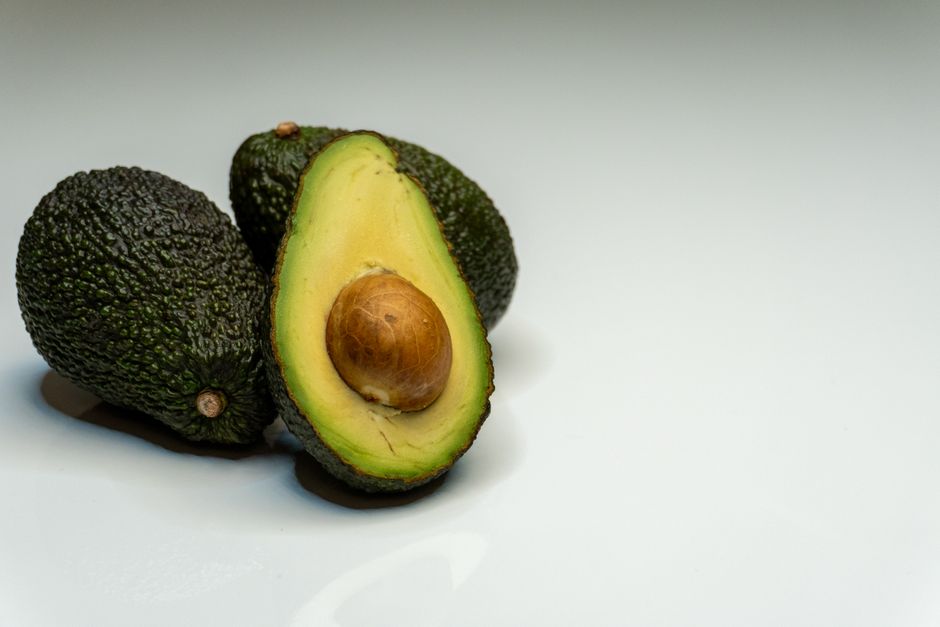
Photo: Markus Winkler via Pexels
This article is for general informational purposes only and does not constitute medical or dietary advice. Always consult a licensed healthcare provider or registered dietitian before making significant changes to your diet, especially if you have a medical condition.