 Jake Torres
You cut carbs four days ago. Your head’s pounding. Your legs feel like concrete. You’re snapping at someone for breathing too loud. You’re starting to wonder if keto is brilliant or actively trying to kill you.
It’s working. Here’s what’s actually happening.
What Keto Flu Actually Is (And What It Isn’t)
Most keto content describes keto flu as your body “adapting to burning fat.” True enough, but useless. The more useful explanation tells you exactly why you feel like this and, critically, what fixes it.
When you drop carbs below roughly 20-50 grams per day, insulin tanks. Lower insulin signals your kidneys to dump sodium at a much faster rate than normal. Sodium loss pulls water with it, which is why you’ll see a dramatic number on the scale drop in the first few days. Sounds good until you realize that sodium and water drag other electrolytes along, especially potassium and magnesium.
You’re not sick. You’re not detoxing. You’re sodium, potassium, and magnesium deficient, with mild dehydration.
This distinction matters because it changes what you actually do about it. If keto flu were purely neurological adaptation, you’d mostly just wait. Since it’s largely electrolyte-driven, you can address it directly and cut the misery significantly within 24-48 hours.
There’s a separate thing happening too: your brain is switching fuel sources. It ran on glucose for years and it’s now learning to run on ketones. That transition takes days and it does cause real cognitive fog, fatigue, and irritability that electrolytes alone won’t fix. Both are happening at the same time, which is why symptoms feel stacked.
The Full Symptom Picture
Keto flu clusters around three main areas. Not everyone gets all of them, and severity depends heavily on how carb-dependent you were before.
Energy and brain function: fatigue, brain fog, trouble concentrating, slow reaction times, zero motivation. These are the brain-fuel-switch symptoms. They’re usually worst days 2 through 5.
Physical discomfort: headache, muscle cramps (especially calves and feet at night), nausea, constipation or loose stools. Headache and cramps are classic electrolyte signals. GI changes reflect both fluid shifts and changes to what your gut bacteria eat.
Mood: irritability, anxiety, general grouchiness. Not talked about enough but very real. Blood sugar swings flatten when you go keto, which is ultimately good, but the transition can feel emotionally unstable before it stabilizes.
One symptom deserves its own mention: intense carb cravings. Some people experience it as almost physical hunger even after eating enough calories. This is real, partly dopaminergic (carbs trigger reward pathways), and it tends to ease after day 4 or 5 as ketone levels climb and appetite suppression kicks in.
What keto flu is NOT: proof the diet isn’t working, evidence you need carbs to feel normal, or a reason to stop. I’ve watched hundreds of clients push through this window and come out the other side feeling dramatically better than before they started.
How Long Keto Flu Actually Lasts
| Timeline | Symptoms | Electrolyte Status | Notes |
|---|---|---|---|
| Days 1-2 | Often minimal | Depletion beginning | Some feel energized as blood sugar stabilizes |
| Days 3-5 | Peak symptoms (headache, fatigue, brain fog) | Worst depletion | Ketone production ramping but inefficient |
| Days 6-10 | Acute symptoms lifting | Recovering | Headache and severe fatigue usually resolve |
| Weeks 2-4 | Lower exercise tolerance, occasional fatigue, mood variability | Normalizing | Broader adaptation phase, not acute crisis |
| 4-6 weeks | Full fat adaptation for most | Stable | Energy typically improves past pre-keto baseline |
Here’s where most keto writing gives false hope. “Keto flu lasts 3-5 days” gets repeated constantly, and for some people that’s true. For others, it undershoots.
More honest breakdown:
Days 1-2: Often fine. Insulin is dropping, glycogen stores are depleting, but you haven’t hit bottom yet. Some people feel oddly energized as blood sugar stabilizes.
Days 3-5: Peak symptoms. This is when you question all your choices. Electrolyte depletion is worst, ketone production is ramping but not yet efficient, and your brain is caught between metabolisms.
Days 6-10: Most acute symptoms start lifting. Headache and severe fatigue usually go. Brain fog may stick around.
Weeks 2-4: Keto-adaptation continues. You might still have lower exercise tolerance, occasional fatigue, mood variability. This often gets mislabeled as “still having keto flu” but it’s really the broader adaptation process, different from the acute electrolyte crisis.
4-6 weeks: Full fat adaptation for most people. Energy typically stabilizes and often improves past your pre-keto baseline.
The people who suffer longest usually share one pattern: they don’t address electrolytes, they under-eat, or they were doing endurance exercise and pushed hard workouts in weeks 1 and 2. If you’re three weeks in and still feel terrible, something specific is wrong and worth troubleshooting instead of just waiting.
The Electrolyte Fix: A Practical Protocol
This is what actually works. Not willpower. Electrolytes.
Step 1: Sodium first. Aim for 3,000-5,000mg daily during adaptation. This is way more than standard recommendations, and it’s right here because your kidneys are actively dumping it. Salting food aggressively won’t cut it for most people. Adding 1-2 cups of bone broth daily is one of the easiest ways to hit this target. Some people use electrolyte supplements like LMNT or similar sodium-forward options. (The site may earn a commission on purchases made through links.)
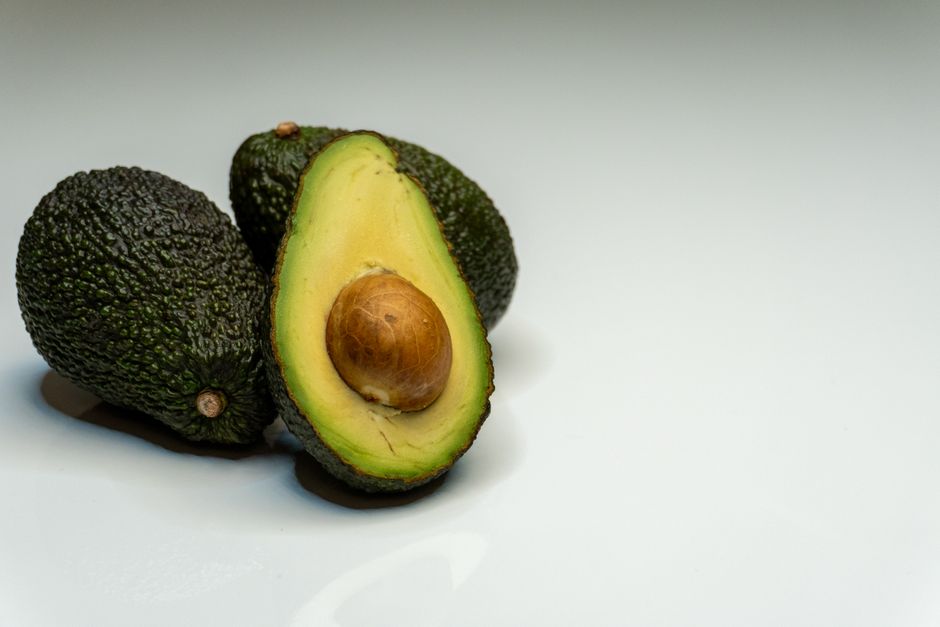
Step 2: Potassium. Target 2,000-3,500mg from food: avocado (roughly 700mg per fruit), leafy greens, salmon, mushrooms. Potassium supplements require caution since high doses can affect heart rhythm. Get it from food where you can.
Step 3: Magnesium. Most people don’t get enough even before keto, and the deficit deepens with fluid loss. Start with 200-400mg of magnesium glycinate or malate at night. This form absorbs better and causes less GI disruption than magnesium oxide. Magnesium glycinate also helps sleep, which keto can initially wreck. Doctor’s Best High Absorption Magnesium is well-formulated. (The site may earn a commission.)
Step 4: Hydrate, but don’t overdo plain water. Drinking plain water when you’re already depleted can dilute sodium further. Drink to thirst and make sure electrolytes are in the mix.
Step 5: Don’t under-eat. Calorie restriction on top of carb restriction in week 1 is a recipe for extended misery. Eat enough fat. This is not the week to also slash calories.
| Electrolyte | Why It Drops | Daily Target (Adaptation Phase) | Best Sources |
|---|---|---|---|
| Sodium | Kidney excretion with lower insulin | 3,000-5,000mg | Salt, bone broth, pickles |
| Potassium | Lost with sodium in urine | 2,000-3,500mg | Avocado, salmon, leafy greens |
| Magnesium | Dietary deficit plus urinary loss | 300-400mg | Supplement, nuts, dark chocolate |
What Makes Keto Flu Worse
A few specific behaviors reliably extend or intensify the transition.
Cutting carbs too dramatically while also fasting. Intermittent fasting and keto are popular together, but stacking both at week 1 puts maximum stress on an already pressured system. Start keto first, add fasting later once you’re fat-adapted.
Intense exercise in the first two weeks. Your muscles lost glycogen and haven’t yet gotten efficient at using fatty acids and ketones at high intensities. Hard workouts in this window prolong fatigue and can delay adaptation. Light walking is fine. Your usual boot camp class is not.
Not eating enough fat. Some people go low-carb but hedge on fat, ending up in a calorie deficit without enough fuel from either source. The result is extended fatigue that looks like keto flu but is actually just under-fueling.
Alcohol. Even dry wine and spirits. Alcohol impairs ketone production, stresses the liver (which is working hard during adaptation), and acts as a diuretic that worsens electrolyte loss. The first two weeks are not the time.
Stress. Cortisol raises blood glucose through gluconeogenesis, which can dull ketosis and slow adaptation. You can’t control everything, but recognize that a high-stress start to keto means a harder transition.
When to Talk to a Doctor
Sources
Keto flu is uncomfortable but not dangerous for most healthy adults. That said, several situations warrant a conversation with your doctor before or during the transition.
If you’re managing type 1 or type 2 diabetes, especially on insulin or sulfonylureas, carb restriction can require medication adjustments to avoid hypoglycemia. Don’t start keto without medical supervision here.
If you have kidney disease, the higher protein that often comes with keto and the increased electrolyte cycling both deserve professional attention.
If your symptoms are severe, including chest palpitations, vomiting, or confusion, those go beyond typical keto flu and need evaluation. Chest palpitations in the first week are often low magnesium or potassium, but that’s exactly what should be confirmed rather than assumed.
Anyone with a history of disordered eating should think carefully about any highly restrictive diet. A registered dietitian can help you structure keto in a way that minimizes psychological risk.
The transition into ketosis is one of the harder parts. People who quit during week one usually do it because nobody told them what was actually happening or what to do. You’re not failing. You’re in a specific, temporary, and largely addressable metabolic shift. Take electrolytes seriously, keep food intake adequate, and give yourself the 10-14 days this change honestly takes. Most people who get through it say the other side is worth it.
This article is for general informational purposes only and does not constitute medical or dietary advice. Always consult a licensed healthcare provider or registered dietitian before making significant changes to your diet, especially if you have a medical condition.