 Mark Chen
Most people who “try keto and fail” didn’t actually fail because they lacked willpower. They failed because something they genuinely considered healthy was quietly keeping them out of ketosis the entire time. I’ve seen this play out dozens of times: a client cuts out bread and pasta, feels great for a week, then stalls completely. We dig into their food log and find a daily smoothie made with a banana, some oat milk, and “just a tablespoon” of honey. That’s easily 50 to 60 grams of carbohydrates in a single drink, enough to knock most people out of ketosis before 9am. The list of foods that can derail keto is longer and more surprising than most guides let on.
The Obvious Stuff (That People Still Underestimate)
Let’s start with the foods everyone knows to avoid, because even here there are details worth paying attention to.
Bread, pasta, rice, and cereals are the obvious targets. But the numbers matter. A single cup of cooked white rice contains around 45 grams of net carbs. One medium flour tortilla is 22 to 26 grams depending on brand. A standard bagel can hit 50 grams before you’ve added anything to it. On a strict ketogenic diet, most people aim to stay under 20 to 25 grams of net carbs per day. One bagel puts you at twice that ceiling.
What surprises people is how quickly the “light” versions of these foods add up. Whole wheat bread is often marketed as healthier, and from a fiber-and-nutrient standpoint it is. But it’s not meaningfully lower in net carbs than white bread. Don’t let the health halo fool you.
Sugary drinks are another category people mentally know but still underestimate in practice. A 12-ounce can of regular Coke has 39 grams of sugar. Orange juice, often treated as practically a health supplement, comes in at around 26 grams per cup. Sports drinks like Gatorade sit at 21 grams per 12 ounces. And then there’s the stuff we don’t think of as sweet: a 16-ounce oat milk latte from a popular chain can carry 30 or more grams of carbs depending on what’s in the milk and whether there’s any flavoring.
The “Healthy” Foods That Will Kick You Out of Ketosis
| Food | Serving Size | Net Carbs (grams) |
|---|---|---|
| White rice (cooked) | 1 cup | 45 |
| Flour tortilla | 1 medium | 22-26 |
| Bagel | 1 standard | 50 |
| Banana | 1 medium | 24 |
| Apple | 1 large | 23 |
| Grapes | 1 cup | 26 |
| Raspberries | ½ cup | 3.5 |
| Blueberries | 1 cup | 17 |
| Black beans | 1 cup | 29 |
| Sweet potato | 1 medium | 20-23 |
| Carrots | ½ cup | 8 |
| Dairy milk | 8 oz | 12 |
| Plain Greek yogurt | 1 serving | 8-10 |
| Ketchup | 1 tbsp | 4 |
This is where things get genuinely counterintuitive. Honestly, this is where I find the most interesting conversations with clients.
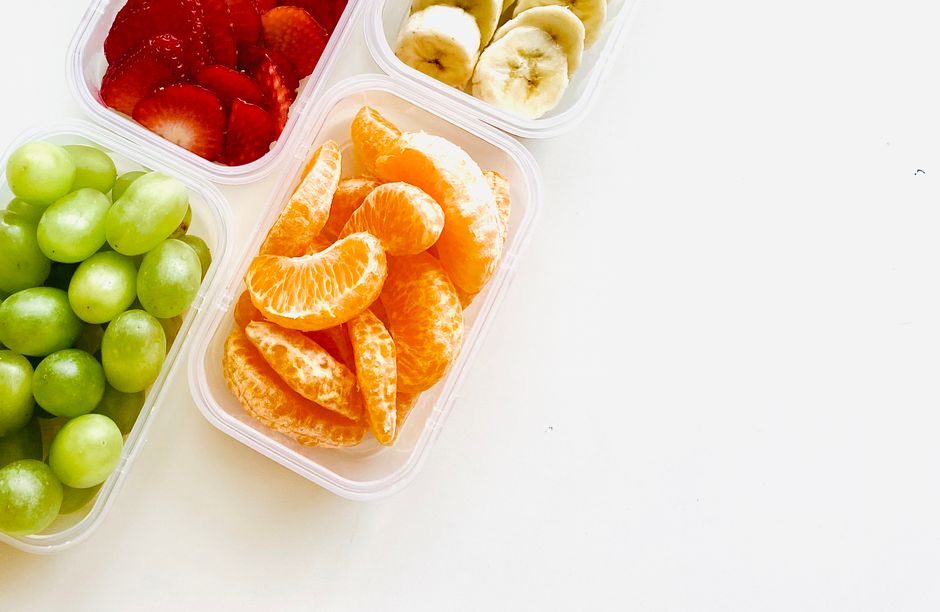
Fruit. Nearly all fruit is high in natural sugar, specifically fructose, which absolutely counts toward your carb limit. A medium banana is about 24 grams of net carbs. A large apple is around 23 grams. A cup of grapes is 26 grams. Even fruit that tastes tart, like mango or pineapple, runs 22 to 25 grams per cup.
The fruits that are actually keto-compatible are limited: berries in modest portions. A half-cup of raspberries is about 3.5 grams of net carbs. Blackberries are similar. Strawberries are slightly higher at around 8 grams per cup. Blueberries are the tricky one: they’re commonly labeled a superfood and they’re delicious, but at 17 grams per cup they can eat up most of your daily budget if you’re not watching the portion size.
Legumes. Beans, lentils, and chickpeas are dense with both protein and fiber, which makes them feel like they should fit into keto. They don’t, at least not in any meaningful quantity. A cup of black beans contains about 29 grams of net carbs after subtracting fiber. Lentils are similar. Hummus, made from chickpeas, runs about 6 grams per two tablespoons, which seems manageable but adds up fast when used as a dip.
Root vegetables. Potatoes are an obvious keto problem, but sweet potatoes catch people off guard because they’re in the “nutrient-dense” category. A medium sweet potato has roughly 20 to 23 grams of net carbs. Carrots are lower at about 8 grams per half-cup but can accumulate if you’re snacking on them all day. Parsnips, beets, and corn (technically a grain but often treated as a vegetable) all land in the “avoid or be extremely cautious” zone.
Dairy you might not suspect. Full-fat cheese, butter, and heavy cream are keto staples. But milk is not. An 8-ounce glass of regular dairy milk has about 12 grams of carbs from lactose. Low-fat milk is actually slightly higher in carbs because fat has been removed and replaced with more lactose-dense liquid. Yogurt, even plain Greek yogurt, carries around 8 to 10 grams of carbs per serving. Flavored yogurts can hit 20 to 30 grams.
Hidden Carbs: The Places Nobody Thinks to Look
How to Start the Ketogenic Diet Correctly? · Dr. Eric Berg DC on YouTube
I’ll be honest: this category causes more stalls and frustrations than any other. It’s not the obvious stuff. It’s the stuff hiding in plain sight.
Condiments and sauces. Ketchup has about 4 grams per tablespoon, which doesn’t sound bad until you realize most people use significantly more than one tablespoon. Barbecue sauce is even worse: some brands carry 12 to 16 grams per two tablespoons. Teriyaki sauce and sweet chili sauce are essentially sugar in bottle form. Even some hot sauces have added sugar worth checking. Salad dressings are a common culprit: low-fat versions in particular tend to compensate for removed fat with added sugar.
Medications and supplements. What surprised me when I first researched this deeply was how often people overlook their chewable vitamins, gummy supplements, or liquid medications. Many contain dextrose, maltodextrin, or corn syrup as a base. If you’re taking multiple chewable supplements per day, you could be adding 5 to 10 grams of carbs without realizing it. This doesn’t mean stop taking prescribed medications. But it’s worth reading labels.
Protein bars and “low-carb” packaged foods. This deserves its own space. The keto food market has exploded, and not all of it is honest. Some products labeled “keto-friendly” or “low net carbs” use sugar alcohols like maltitol, which affects blood sugar in a way more similar to regular sugar than manufacturers like to admit. Erythritol and allulose are better options. If you’re buying packaged keto snacks, flip them over and read the ingredient list, not just the net carb count on the front.
Nuts. Nuts are a good keto snack in controlled portions, but “controlled” is doing a lot of work in that sentence. Cashews are the biggest offender at around 8.5 grams of net carbs per ounce. Pistachios are close behind at about 5 grams per ounce. Almonds and macadamias are much more keto-friendly (around 1.5 to 2 grams per ounce), but even those can add up fast when you’re eating from a large bag while working.
A Quick Comparison: What to Swap
Here’s a practical reference for common high-carb foods and their better keto alternatives.
| Avoid | Approximate Net Carbs | Better Swap | Approximate Net Carbs |
|---|---|---|---|
| White rice (1 cup cooked) | 45g | Cauliflower rice (1 cup) | 3g |
| Wheat pasta (1 cup cooked) | 37g | Zucchini noodles (1 cup) | 3g |
| Banana (medium) | 24g | Raspberries (½ cup) | 3.5g |
| Flour tortilla (medium) | 22g | Lettuce wrap | ~0g |
| Oat milk (1 cup) | 16g | Unsweetened almond milk (1 cup) | 1-2g |
| Sweetened Greek yogurt (1 cup) | 20-30g | Full-fat sour cream (½ cup) | 3g |
| Barbecue sauce (2 tbsp) | 12-16g | Sugar-free hot sauce (1 tsp) | 0g |
| Cashews (1 oz) | 8.5g | Macadamia nuts (1 oz) | 1.5g |
Keeping a kitchen scale and reading labels consistently are two habits that separate people who succeed on keto from people who wonder why it’s not working. A quality digital food scale makes this much easier than eyeballing portions. (This site may earn a commission on Amazon purchases made through our links.)
Alcohol and the Keto Conversation Nobody Wants to Have
Sources
- here is genuinely mixed
Alcohol on keto is a topic where I’ve seen a lot of wishful thinking, and I want to give you the honest version.
The research here is genuinely mixed. Pure spirits like vodka, whiskey, tequila, and gin contain zero carbohydrates. Dry wines run about 2 to 4 grams per 5-ounce glass. So technically, these fit the carb math of keto. But there are complicating factors.
When you consume alcohol, your liver prioritizes metabolizing it above all else. That means fat oxidation, the core mechanism of keto, gets put on pause. Some people find this causes a notable stall even when the carbs are technically minimal. Others find it less impactful. The individual variability is real.
Beer is almost universally a problem. A regular lager contains 12 to 15 grams of carbs per can. “Light” beers are lower but still typically 5 to 7 grams. The only real exception is specific low-carb beers that get down to 2 to 3 grams, but they’re not always easy to find and they’re still subject to the fat-oxidation issue above.
Mixed drinks are usually a disaster. Cocktails made with juice, soda, syrup, or tonic water can easily deliver 20 to 30 grams of carbs per drink. Even “sugar-free” mixer options sometimes contain maltodextrin or other fast-digesting carbs.
If you choose to drink on keto, be aware that alcohol tends to hit harder when you’re in ketosis, partly because reduced glycogen stores affect how your body processes it. Staying well hydrated and maintaining your electrolytes matters more than usual. A good electrolyte supplement helps manage this. (Again, commission disclosure applies to linked products.)
The list of foods to avoid on keto is longer than most people expect, but knowing where the real traps are changes everything. It’s not about white-knuckling through cravings or following rules for their own sake. It’s about understanding exactly what disrupts ketosis so you can make genuinely informed choices rather than guessing. If you’ve struggled with keto before, it’s worth looking hard at this list before you assume the approach doesn’t work for you. Working with a registered dietitian to dial in your specific approach is always worthwhile, particularly if you have any underlying health conditions. The details matter here, and the details are absolutely learnable.
This article is for general informational purposes only and does not constitute medical or dietary advice. Always consult a licensed healthcare provider or registered dietitian before making significant changes to your diet, especially if you have a medical condition.