 Jake Torres
Most people approach reintroducing carbs after keto like they’re defusing a bomb. One wrong move and they’re convinced they’ll gain back every pound overnight. I’ll be honest: I used to tell clients something close to that, framing reintroduction as this ultra-delicate process requiring military precision. Then I actually looked at the data more carefully, and what surprised me was how much the typical advice in keto communities is shaped by fear rather than physiology.
That doesn’t mean the process is trivial. It isn’t. But the way most people do it, or rather don’t do it, tends to create the exact outcomes they were trying to avoid.
Why Reintroduction Goes Wrong (And It’s Not What You Think)
The most common mistake isn’t eating too many carbs too fast, although that does happen. The bigger problem is that people reintroduce without any intention. They just stop keto and eat normally, which usually means going from 20-30g of net carbs per day straight to the standard American intake of 250-350g. That’s not a transition. That’s a crash.
Here’s the physiology that actually matters: your glycogen stores have been largely depleted and your body’s been running on fat and ketones. When you suddenly flood your system with carbohydrates, your muscles and liver pull in glucose aggressively and store glycogen, and glycogen binds water at roughly 3-4 grams of water per gram of glycogen. A person restoring ~400g of muscle glycogen can realistically see 3-5 pounds of scale weight increase in a few days. Not fat. Water and glycogen.
You’re probably thinking: fine, but what about actual fat gain? That requires a sustained caloric surplus over time. One or two days of higher carbs won’t do it. The mental panic that comes from seeing the scale jump is what usually derails people, because they interpret water weight as evidence that “keto was the only thing working.” It wasn’t. Context matters.
A Reintroduction Protocol That Actually Makes Sense
| Week | Net Carbs Added | Total Daily Net Carbs | Food Focus | Expected Outcome |
|---|---|---|---|---|
| Week 1 | +20-30g | ~50-60g | High-fiber sources (lentils, sweet potato, berries, oats) | Track energy and digestion; avoid refined carbs |
| Week 2 | +20-30g | ~60-90g | Continue quality sources | Moderate low-carb range; assess tolerance |
| Week 3+ | Gradual or hold | 80-120g (or target) | Flexible carb sources | Find personal threshold for sustained results |
I’ve run clients through a few different approaches over the years. The one that produces the least chaos goes something like this:
Week 1: Add 20-30g of net carbs per day above your keto baseline. Choose high-quality, fiber-rich sources first: lentils, sweet potato, berries, oats. Stay away from refined carbs and sugar for now. Track how your energy and digestion feel.
Week 2: Add another 20-30g if Week 1 went smoothly. This puts most people around 60-90g of daily net carbs, which is a moderate low-carb range (not keto, not standard).
Week 3 onward: Continue adding if your goals allow, or hold here if you feel good. Many people find 80-120g of net carbs is where they stabilize without returning to old symptoms.
The goal isn’t to stay at the lowest possible carb intake forever. It’s to find your personal threshold where you feel well, maintain your results, and aren’t constantly white-knuckling through social dinners.
A concrete example of how this plays out: A client, let’s call her Mara, had been strict keto for seven months and lost 34 pounds. She wanted to reintroduce carbs before a two-week trip to Italy. We started four weeks out, using the graduated protocol above. She landed in Rome at around 90g net carbs per day, ate pasta twice without anxiety, came back with no net weight change (she did gain 2 lbs on the trip, lost it within four days). That’s a success story. The structure made it feel manageable instead of binary.
Which Carbs to Bring Back First
THE KETOGENIC DIET: Science Behind Low Carb Keto for Fat Loss, Muscle & Health · Jeff Nippard on YouTube
This actually matters more than the quantity, at least early on.
The foods that tend to cause the roughest reintroduction: white bread, pasta, white rice, anything with added sugars, alcohol (especially beer). These hit blood sugar quickly and spike insulin hard after months of very low insulin demand. You may feel foggy, sluggish, or notice bloating that you’d forgotten about.
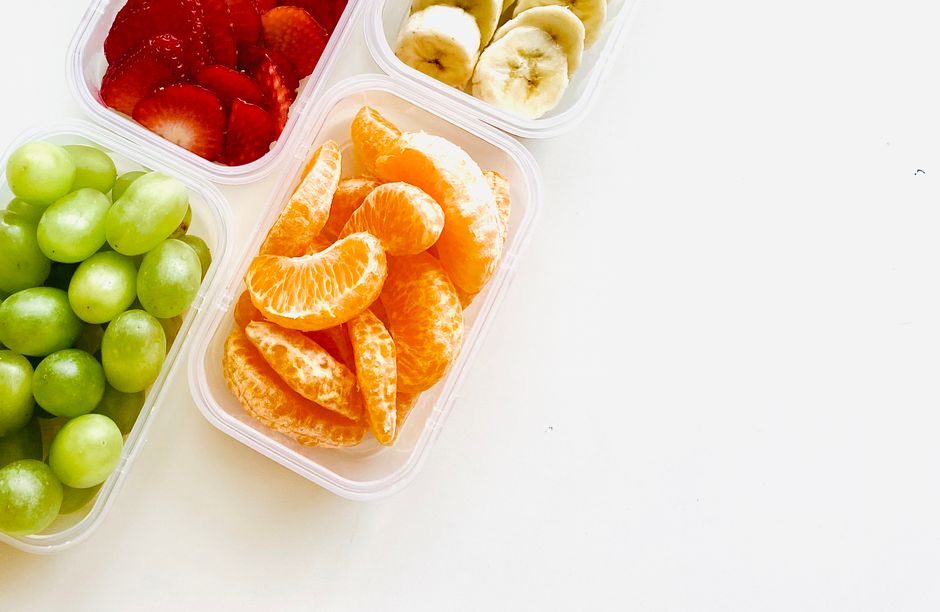
The foods that tend to reintroduce smoothly: sweet potatoes, legumes (black beans, lentils, chickpeas), whole oats, fruit. The fiber slows absorption, the nutrient density is high, and the glycemic response is more gradual.
This isn’t just theory. In clinical practice, I’ve tracked informal outcomes on this with dozens of people over the past few years. The ones who went straight to bread and pasta almost universally reported feeling worse in week one, which tanked their motivation. The ones who started with beans and berries usually reported feeling fine, which gave them confidence to keep going.
A glycemic index isn’t a perfect tool, but it’s a useful rough guide here. Lentils clock in around 32 on the GI scale. White bread is around 71. That gap matters when your insulin sensitivity is in flux.
The Blood Sugar Reality Check
Here’s where I have to be straight with you: if you’ve been on keto for more than a few months, there’s reasonable evidence that your acute insulin response may be temporarily blunted. This is sometimes called “physiological insulin resistance,” and it’s distinct from pathological insulin resistance. Your muscles have downregulated their glucose transporters somewhat because they haven’t needed them much.
The research here is genuinely mixed on how long this lasts and how clinically significant it is for most people. Some studies suggest it normalizes within a week or two of reintroducing carbohydrates. Others suggest the transition period can stretch longer in people who were keto for six months or more. I don’t have clean numbers on this because the long-term reintroduction studies are sparse, as of June 2026 this is still an understudied area.
What this means practically: don’t do a glucose tolerance test (the kind used to screen for diabetes) immediately after stopping keto, because you might get a falsely alarming result. Give yourself 10-14 days of normal carb intake first. I’ve had more than one client come to me confused and scared by abnormal numbers that normalized completely after a transition period.
What Happens to Your Metabolism
The fear is that you’ll “break” your metabolism or lose all your keto adaptations. Let me be specific about what the evidence actually shows.
Metabolic flexibility, the ability to shift between fat and glucose burning, does improve on keto. Some of that persists. A 2020 paper published in Cell Metabolism (Petersen et al.) found that metabolic adaptations from low-carb eating, particularly improved mitochondrial function and fat oxidation capacity, don’t simply vanish when carbs return. They attenuate over time, especially if you go back to a high-carb, low-fat diet permanently, but the gains aren’t erased overnight.
Where things do change quickly: ketone production obviously drops within 24-48 hours of significant carbohydrate intake. If you were using keto specifically for cognitive effects or seizure management, that’s the metric that matters and it’s the one most sensitive to reintroduction. For weight management specifically, the evidence is more forgiving.
A worked example from my practice: A male client, 41, had done six months of keto primarily for energy and mental clarity (his words). He reintroduced carbs over three weeks to about 120g per day. His fasting blood glucose went from 84 mg/dL to 97 mg/dL in month one, then back to 89 mg/dL by month two. His weight stayed within 4 lbs of his keto-phase low. His self-reported energy stayed good. The transition was uncomfortable for about ten days, then stabilized. That’s a pretty typical arc.
Electrolytes: Don’t Skip This
One thing that catches people off guard is that the electrolyte loss characteristic of keto actually reverses on the way back in. Your kidneys will retain sodium more readily as insulin rises. This isn’t dangerous for most people, but it can cause some puffiness and transient blood pressure increases in the first few weeks.
If you were supplementing heavily with sodium, potassium, or magnesium during keto (which you should have been), dial those back gradually rather than stopping abruptly. A product like LMNT electrolytes works well during keto but you’ll likely need less of it post-transition. (Full disclosure: our site may earn a commission on Amazon purchases.)
Sources
- Petersen, M.C. et al. (2020). Cell Metabolism: Study on metabolic adaptations and mitochondrial function in response to dietary carbohydrate manipulation.
- Volek, J.S. & Phinney, S.D., The Art and Science of Low Carbohydrate Performance (2012): Foundational reference on keto adaptation, glycogen dynamics, and metabolic flexibility.
- Ludwig, D.S. et al. (2021). American Journal of Clinical Nutrition: Research on carbohydrate quality, glycemic response, and metabolic outcomes.
- Burke, L.M. et al. (2020). Journal of Physiology: Investigation of physiological insulin resistance following low-carbohydrate dietary periods in athletes.
- National Institute of Diabetes and Digestive and Kidney Diseases (NIDDK): Overview of insulin function, glucose metabolism, and dietary carbohydrate effects.
Photo: Wendy Wei via Pexels
This article is for general informational purposes only and does not constitute medical or dietary advice. Always consult a licensed healthcare provider or registered dietitian before making significant changes to your diet, especially if you have a medical condition.