 Ryan Park
You’re three weeks into keto, you’ve been diligent about staying under 20 grams of carbs per day, and then a friend tells you that you’ve been counting wrong the whole time. Maybe you’ve been tracking total carbs when you should be tracking net carbs, or vice versa. Suddenly a food that seemed off-limits looks fair game, and a snack you’ve been eating freely might be the reason you haven’t hit ketosis yet. This single distinction causes more confusion among beginners than almost any other keto concept. Let’s untangle it.
What Total Carbs and Net Carbs Actually Mean
Total carbs is straightforward. It’s every gram of carbohydrate in a food: sugars, starches, fiber, and sugar alcohols, all counted together. You’ll see this number right on the Nutrition Facts label under “Total Carbohydrates.”
Net carbs is different. It’s a calculated number, not a labeled one. The basic formula:
Net Carbs = Total Carbs - Dietary Fiber - Sugar Alcohols (certain ones)
Here’s why the subtraction works. Dietary fiber, especially insoluble fiber, passes through your digestive tract largely intact. Your body doesn’t break it down into glucose, so it doesn’t spike blood sugar and doesn’t kick you out of ketosis. Soluble fiber gets partially fermented by gut bacteria into short-chain fatty acids, which have minimal impact on blood glucose. Either way, fiber’s effect on your blood sugar is dramatically lower than digestible starches or sugars.
Sugar alcohols are messier. Some of them, erythritol especially, have almost zero metabolic impact. Others, like maltitol, behave closer to real sugar than their “sugar-free” label suggests.
So when you see a keto bar advertised as “3g net carbs” but the label shows 25g total carbs, the math usually breaks down like this: 25g total carbs, minus 12g fiber, minus 10g erythritol, equals 3g net carbs. Whether that’s accurate depends entirely on which fibers and sugar alcohols are actually in the product.
Why the Difference Actually Matters for Ketosis
Ketosis is a metabolic state triggered by keeping carbohydrates low enough. When glucose drops, your liver shifts to producing ketone bodies from fat. Most people need to stay between 20 and 50 grams of digestible (net) carbs per day to maintain it.
This is where counting method gets critical. Broccoli has about 6 grams of total carbs per cup, but 2.4 grams of fiber, leaving roughly 3.6 grams of net carbs. If you’re counting total carbs and capped at 20 grams, a big plate of broccoli, cauliflower, and spinach could use up most of your budget before you’ve eaten much real food. You’d be restricting vegetables that have essentially zero meaningful impact on blood glucose.
Flip it the other way. If you’re counting net carbs and leaning heavily on processed “keto” products loaded with maltitol or isomaltulose, you might be eating significantly more metabolically active carbs than your tracker suggests. I’ve had clients stall for weeks because of this. They were eating keto candy bars with 4g net carbs on the package, but maltitol has a glycemic index around 35, roughly half that of regular sugar. That’s not nothing.
The practical reality: net carbs works when the fiber and sugar alcohols in your diet are genuinely non-impactful. Total carbs is more conservative and less likely to trip you up, especially if you’re new to keto or not hitting ketosis despite thinking you’re compliant.
The Sugar Alcohol Problem (and Why Erythritol Is the Exception)
Make 8+ Low Carb, High Protein Meals in less than 20 minutes · KetoFocus on YouTube
| Sugar Alcohol | Glycemic Index | Calories/gram | Subtract from carbs? |
|---|---|---|---|
| Erythritol | 0 | 0.2 | Yes, fully |
| Xylitol | 13 | 2.4 | Partially (subtract half) |
| Sorbitol | 9 | 2.6 | Partially (subtract half) |
| Maltitol | 35 | 2.1 | No, count fully |
| Isomalt | 9 | 2.0 | Partially |
| Mannitol | 0 | 1.6 | Yes, mostly |
Not all sugar alcohols behave the same way, and treating them as interchangeable is where a lot of keto math fails. Here’s what matters:
| Sugar Alcohol | Glycemic Index | Calories/gram | Subtract from carbs? |
|---|---|---|---|
| Erythritol | 0 | 0.2 | Yes, fully |
| Xylitol | 13 | 2.4 | Partially (subtract half) |
| Sorbitol | 9 | 2.6 | Partially (subtract half) |
| Maltitol | 35 | 2.1 | No, count fully |
| Isomalt | 9 | 2.0 | Partially |
| Mannitol | 0 | 1.6 | Yes, mostly |
Erythritol is genuinely different. It’s absorbed in the small intestine and excreted unchanged in urine, so it has virtually no caloric or glycemic impact. Products sweetened purely with erythritol (Lakanto and Swerve make good ones) are reasonably safe to subtract entirely.
Maltitol is the opposite. It’s cheap and everywhere in mass-market “sugar-free” chocolates and candies. Gets absorbed, gets metabolized. Eating 30 grams of maltitol is nothing like eating 30 grams of erythritol, but both might show up as “sugar alcohols” on the label and both might get subtracted in a simple net carbs calculation. That’s the problem.
My rule: if a product lists sugar alcohols without specifying which kind, count half of them as regular carbs unless proven otherwise. If it specifies erythritol as the primary sweetener, subtract fully.
Fiber: Real Food Fiber vs. Added Fiber
There’s a detail even experienced keto dieters miss: not all fiber on a nutrition label behaves the same, and some “functional fibers” added to processed foods might act more like digestible carbs than actual fiber.
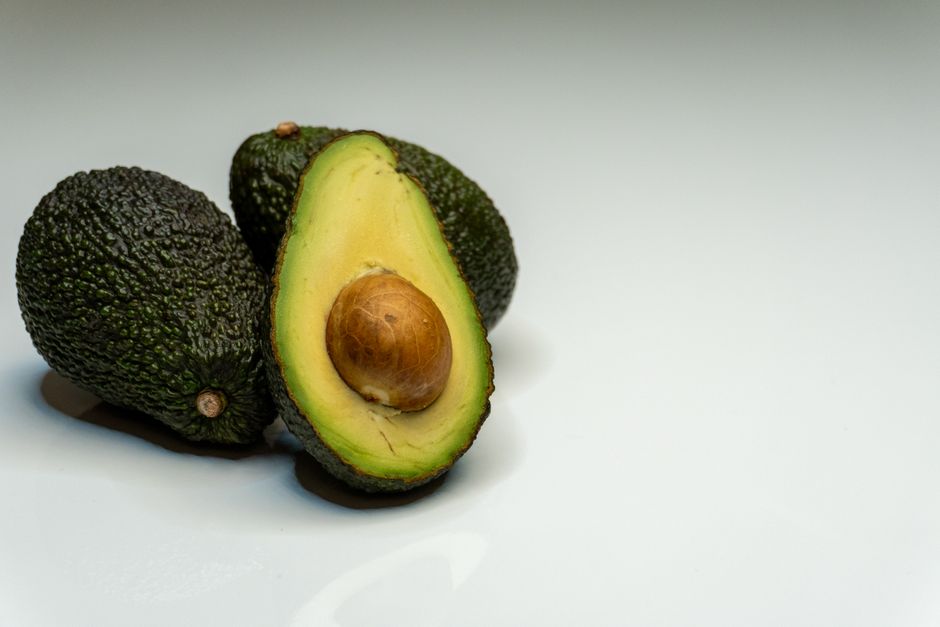
Naturally occurring fiber in whole foods (leafy greens, nuts, seeds, avocado, cruciferous vegetables) is something you can confidently subtract. Chicory root fiber (inulin) is common in keto bars and protein powders, mostly well-tolerated, and has minimal glycemic effect, though large amounts can cause digestive issues.
The problematic ones are certain isolated fibers and resistant starches added to packaged products purely to inflate the fiber count and reduce the net carb number on the label. Tapioca fiber (sold as “soluble corn fiber” or “isomalto-oligosaccharides,” often abbreviated IMO) has a meaningful glycemic impact in some research, closer to digestible starch than true insoluble fiber. A product might list 15g of “fiber” from IMO and claim 1g net carbs, but your blood glucose response tells a different story.
Clean eating removes most of this headache. Avocado, chia seeds, almonds, broccoli: these won’t trick your body. It’s the protein bars, keto tortillas, and low-carb breads where you need to read the ingredient list, not just trust the carb math.
How to Actually Apply This Day-to-Day
Here’s how to approach this depending on where you are:
Step 1: Identify your goal and current state Starting out and trying to reach ketosis for the first time? Use total carbs. Keep it under 20g per day. No mental math, no label-reading spirals. You’ll almost certainly get into ketosis.
Step 2: Once you’re reliably in ketosis (2-4 weeks in), test net carbs Start counting net carbs from whole foods: vegetables, nuts, seeds, dairy. Subtract fiber from these confidently. More flexibility with vegetables usually makes the diet more sustainable.
Step 3: Introduce processed “keto” products carefully Want keto bars, tortillas, or sweet treats? Check the ingredient list. Fiber from inulin, chicory root, or cellulose can likely be subtracted. IMO, tapioca fiber, or soluble corn fiber should count as half-carbs minimum. Unspecified sugar alcohols count as half. Maltitol counts fully.
Step 4: Measure, don’t guess A good kitchen scale (like this one on Amazon) eliminates a major source of error. Nutrition databases use standard serving sizes that often don’t match what’s on your plate. Weighing food takes 10 seconds and solves a lot of “I should be in ketosis” confusion.
Step 5: Use ketone testing to verify your approach is working Blood ketone meters are the gold standard. Above 0.5 mmol/L means your carb counting is working. Below that, something’s off, and tightening up to total carbs counting is the fastest fix.
If electrolyte issues are part of your early-keto struggles (very common), a quality electrolyte supplement without hidden carbs or sugars helps. LMNT and Ultima Replenisher are two I frequently recommend. This site may earn a commission on qualifying purchases.
Which Method Should You Use? An Honest Answer
Sources
- like this one on Amazon
- Silviu Din
- Total Carbohydrates. Net
There’s no universal right answer, which I know feels unhelpful when you want a clear rule. But here’s how to think about it:
Count total carbs if: you’re new to keto, you’ve been stuck for more than two weeks without explanation, you eat a lot of packaged “keto” products, you have type 2 diabetes or insulin resistance and need precise glucose control, or you just want to keep it simple.
Count net carbs if: you’ve been keto long enough to be fat-adapted, your diet is mostly whole foods with minimal processed products, total carb counting feels too restrictive for vegetables and it’s affecting sustainability, or you’ve verified with a ketone meter that you maintain ketosis at your net carb intake.
The most common mistake I see isn’t picking the wrong method. It’s picking net carbs and then applying it uncritically to every product with a clever label. A stricter, simpler rule applied consistently almost always beats a more flexible rule applied sloppily.
Carb counting on keto doesn’t need to be complicated, and for most people eating mostly real food, it isn’t. Meat, fish, eggs, cheese, leafy greens, cruciferous vegetables, nuts, seeds, avocado: none of these require a spreadsheet or fiber debates. The math only gets messy when packaged products show up, which is worth remembering the next time a shiny keto bar claims 2 grams of net carbs. The method that keeps you in ketosis consistently, total or net, is always the right one.
Photo: Silviu Din via Pexels