 Ryan Park
Most people treat “keto” and “Atkins” as synonyms. I did too, for a while. Then I actually sat down with both the original Dr. Robert Atkins books, the Atkins 20 and Atkins 40 guidelines, and the clinical literature on ketogenic diets, and I’ll be honest: they’re related but they’re not the same thing, and conflating them leads to real confusion about why something “isn’t working.”
Here’s the short version: Atkins is a commercial weight-loss program that happens to use carbohydrate restriction. Keto is a metabolic state you’re either in or you’re not. One is a diet plan. The other is a physiological condition. That distinction sounds academic until you’re two weeks in and wondering why your Atkins bars aren’t keeping you in ketosis.
Where They Came From (And Why That History Matters)
Dr. Robert Atkins published Dr. Atkins’ Diet Revolution in 1972. His core idea was straightforward: restrict carbs, lose weight. The original program had an induction phase (under 20g net carbs daily) followed by a structured reintroduction of carbs. The modern commercial version has splintered into Atkins 20, Atkins 40, and Atkins 100, each named for the daily net carb target. At 40g or 100g of net carbs per day, you’re not maintaining ketosis for most people.
Ketogenic diets have an older lineage. Mayo Clinic physicians were using them in the 1920s to treat epilepsy in children. The wellness version you see today is borrowed from that clinical research, but with a consumer twist: it typically targets 20-50g of total carbs per day with explicit attention to staying in ketosis, not just losing weight.
When I compared the origin stories directly, here’s what stood out: Atkins took ketogenic science and repackaged it as a weight-loss system. Keto in its medical form was never about weight loss at all. From day one, they had different purposes.
The Macros Look Similar. The Targets Are Not.
| Aspect | Ketogenic Diet | Atkins Diet |
|---|---|---|
| Fat (% of calories) | 70-75% | Varies by phase |
| Protein (% of calories) | 20-25% | Higher, less restricted |
| Carbs (% of calories) | 5% or less | Increases by phase |
| Total Carbs Daily | Under 50g | 20g (induction) to 100g (phase 4) |
| Net Carbs Daily | 20-30g | 20g (induction) to 100g (phase 4) |
| Primary Goal | Achieve & maintain ketosis | Weight loss via carb restriction |
| Ketosis Measurement | Explicitly tracked (0.5-3.0 mmol/L) | Not built into plan |
| Origin | Medical (epilepsy treatment, 1920s) | Commercial weight-loss program (1972) |
Both are low-carb. Both favor fat and protein over carbohydrates. The specifics, though? That’s where things matter.
A standard ketogenic diet breaks down to roughly 70-75% of calories from fat, 20-25% from protein, and 5% or less from carbohydrates. That usually translates to total carbs under 50g and net carbs under 20-30g daily. Protein gets kept moderate intentionally, because excess protein triggers gluconeogenesis (your liver converts it to glucose), which can throw you out of ketosis.
Atkins 20 in the induction phase gets close to this. You’re at 20g net carbs with fat emphasized. But protein is different: Atkins has always been more relaxed about protein intake, especially animal protein, without the same obsession over maintaining ketosis. And once you move through the phases, carbs climb in incremental 5g weekly bumps, with the assumption that you’ll find your personal “carb tolerance” somewhere above strict keto range.
Someone following Atkins 40 with 40g net carbs and a generous steak at dinner probably isn’t in ketosis most of the time. They might drift in and out. Whether that matters depends on what they’re actually trying to achieve.
The Biggest Difference Most People Miss
Keto Diet: Does It Really Work for Weight Loss? · Doctor O'Donovan on YouTube
Keto is defined by an outcome: you’re in ketosis or you’re not. You can actually measure it. A blood ketone meter like the Keto-Mojo gives you a real number (nutritional ketosis sits roughly at 0.5-3.0 mmol/L). Urine strips (Smackfat and Perfect Keto both make them, around $10-12 for 100 strips) aren’t precise but work fine for beginners figuring out what foods move the needle.
Atkins is defined by behavior. Follow the plan. Hit your carb targets for your phase. Trust the structure. There’s no ketosis verification built in, and at higher tiers, there’s not supposed to be.
I’ve had clients come in frustrated that keto “stopped working,” and when I checked their ketones, they’d been following Atkins phase 3 the whole time. Their reading: 0.1 mmol/L. Not ketosis. Just low-carb, which is fine and does produce weight loss, but it’s metabolically different.
Who Should Actually Care About the Difference
If you want weight loss and aren’t pursuing keto for a specific reason (epilepsy management, cognitive benefits, athletic fat adaptation), this distinction might not matter much. Solid research shows carb-restricted diets beat low-fat diets for weight loss short-term, regardless of whether you’re strictly in ketosis. A meta-analysis in the British Journal of Nutrition shows this pattern repeatedly. I’ll note though: the long-term research gets messier. Beyond a year out, results tend to equalize.
But if you’re doing keto for epilepsy, brain fog, or because you’re deliberately experimenting with ketosis as a metabolic tool, Atkins isn’t an adequate replacement. They’re not interchangeable for those purposes.
The other group who should pay attention: people who get stuck. I’ve seen this play out dozens of times. Someone does strict Atkins induction, loses weight, moves to the next phase, and plateaus. They think they’re still in ketosis because they’re “doing low-carb.” They add beans, some fruit, a bit of quinoa. All reasonable by Atkins 40 standards. All likely to tank their ketones. If maintaining ketosis is part of your strategy, you need to treat it as an explicit goal, not an accident of following a plan.
The Product Overlap Situation
Sources
- Keto-Mojo GK+ meter
- Jose Stauffenberg
- isn’t working. Here
- shows carb-restricted diets beat low-fat diets for weight loss short-term
- in the British Journal of Nutrition shows this pattern repeatedly
Atkins-branded products are everywhere. They’re slapped with “keto-friendly” labels. They’re marketed to both audiences. An Atkins Chocolate Peanut Butter Bar clocks in at 3g net carbs according to the label. It also contains sugar alcohols, specifically maltitol in most versions, which spikes blood sugar harder than other sugar alcohols and can suppress ketones in sensitive people. If you’re buying these and assuming they’re neutral to ketone levels, test that assumption.
This isn’t unique to Atkins. Plenty of “keto-friendly” products have the same problem. But Atkins specifically lives in that dual-audience space where the lines get blurry. If you’re serious about staying in ketosis, check your levels after eating them. (The Keto-Mojo GK+ meter runs around $59 and tests both glucose and ketones; it’s solid value at that price. As an Amazon Associate, the site may earn a commission on purchases.)
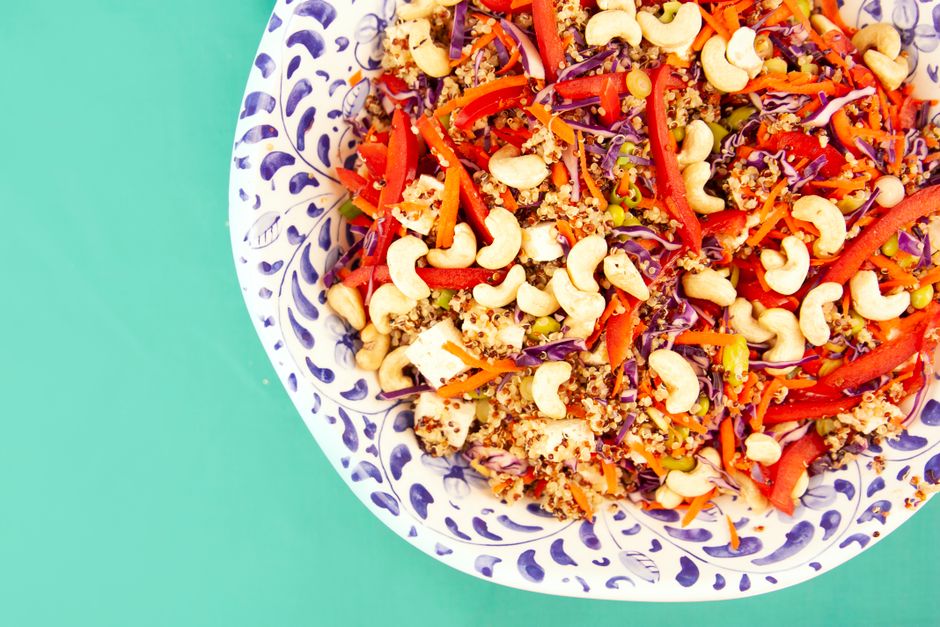
Photo: Jose Stauffenberg via Pexels
This article is for general informational purposes only and does not constitute medical or dietary advice. Always consult a licensed healthcare provider or registered dietitian before making significant changes to your diet, especially if you have a medical condition.