 Emma Lawson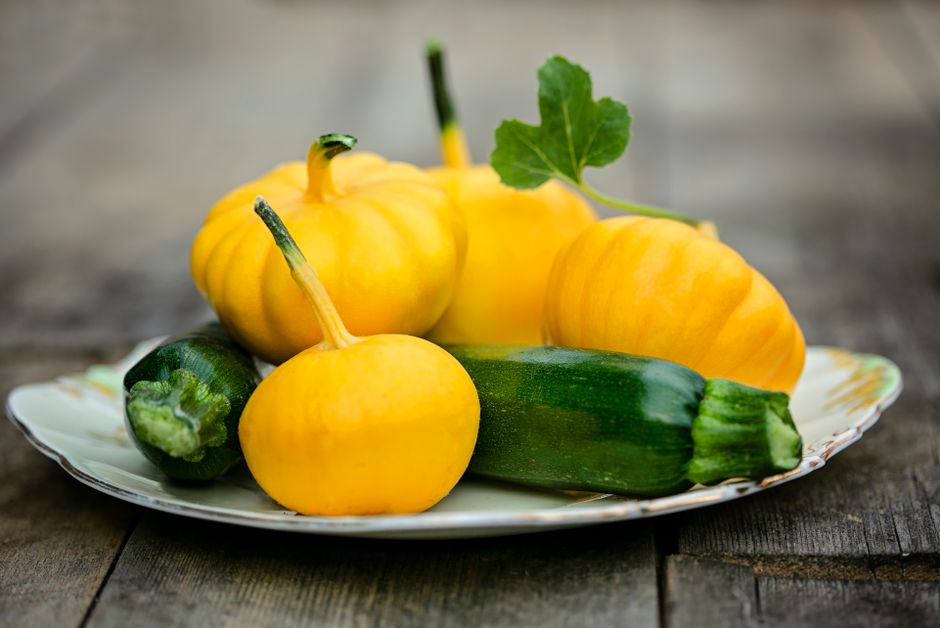
You’ve just committed to keto, you’re standing in the produce section of the grocery store, and suddenly every vegetable you’ve ever eaten feels like a potential trap. Is that zucchini fine? What about carrots? And corn counts as a vegetable, right? This moment of produce-aisle paralysis is something I’ve heard from almost every client who starts a ketogenic diet. Most vegetables are not the enemy. The tricky part is knowing which ones are working with your goals and which ones are quietly blowing your carb budget before dinner even hits the table.
Why Vegetables Matter More on Keto Than You Might Think
A lot of people come to keto thinking vegetables are just filler. They load up on bacon and cheese, treat vegetables as an afterthought, and then wonder why they feel foggy, constipated, or crampy by week two. Vegetables are where you get potassium, magnesium, folate, and fiber on a ketogenic diet. Without them, you’re running a micronutrient deficit that shows up fast.
The goal of a well-formulated ketogenic diet is to keep net carbs low enough to maintain ketosis, typically between 20 and 50 grams of net carbs per day depending on the individual. Net carbs are calculated by subtracting fiber from total carbohydrates, because fiber doesn’t spike blood sugar or trigger an insulin response the way digestible carbs do. This is why fiber-rich vegetables can actually be your best friend on keto. A cup of raw spinach has about 1 gram of net carbs. You could eat a serious amount of spinach and barely register it in your daily count.
The vegetables that get people in trouble are the starchy ones, which store energy as glucose-rich starch rather than fiber. These generally live underground. But even that rule has exceptions.
The Green Light List: Keto Vegetables You Can Eat Freely
“Freely” doesn’t mean infinitely, but these vegetables are low enough in net carbs that most people can eat generous portions without any real concern. Build your plates around these first.
Leafy greens are the clear winner. Spinach, arugula, romaine lettuce, kale, Swiss chard, bok choy, and collard greens all clock in at 1 to 3 grams of net carbs per cup (raw). Sauté them in butter or olive oil, throw them into eggs, blend them into a smoothie. They’re nutritionally dense and practically carb-free.
Cruciferous vegetables are the second tier, slightly higher in carbs but still very manageable. Broccoli runs about 4 grams of net carbs per cup (chopped, raw). Cauliflower is similar, around 3 to 4 grams per cup, and it’s become a keto staple for good reason since it functions as a rice or mash substitute. Cabbage, Brussels sprouts, and kohlrabi are all in this family.
Other low-carb vegetables worth keeping on your regular rotation:
- Zucchini: about 3 grams net carbs per cup (sliced)
- Cucumber: about 2 grams per cup (sliced)
- Celery: about 1 gram per stalk
- Asparagus: about 2 grams per 5 spears
- Bell peppers (green): about 4 grams per half cup. Red and yellow peppers run slightly higher, around 5 to 6 grams, because they’re riper and contain more sugar.
- Mushrooms: about 2 grams per cup
- Green beans: about 4 grams per cup (cooked)
- Eggplant: about 5 grams per cup (cubed, cooked)
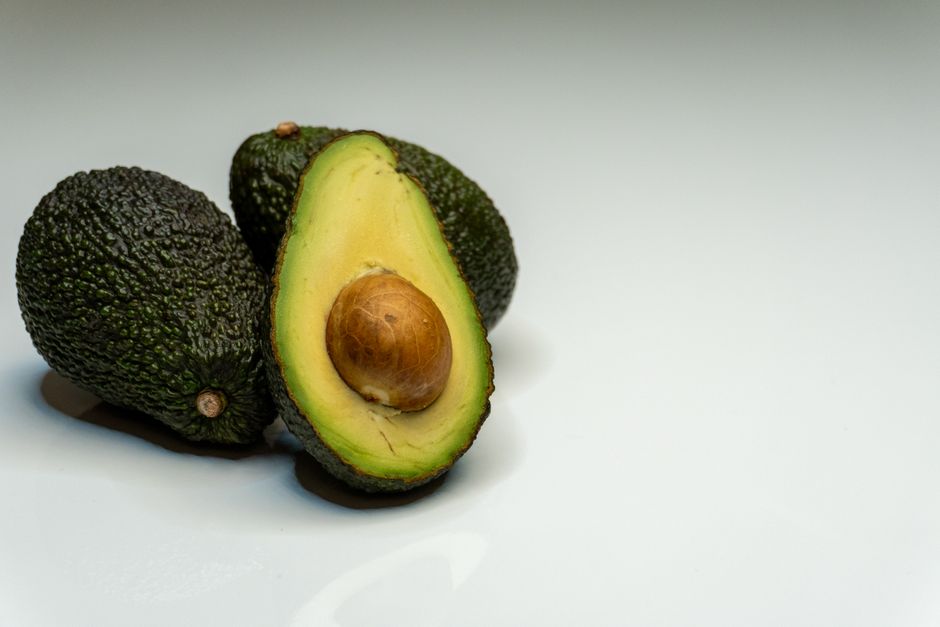
- Avocado: technically a fruit, but worth including here. About 2 grams net carbs per half, and loaded with fat and potassium.
The Caution Zone: Vegetables to Track Carefully
These aren’t off-limits, but you can’t eat them the same way you’d eat spinach. Portion size matters, and if you’re eating multiple servings throughout the day, the carbs add up.
Tomatoes sit in a surprising middle ground. A medium tomato has about 5 grams of net carbs. That’s reasonable for one serving, but if you’re adding tomatoes to eggs, a salad, and a sauce in the same day, it’s worth keeping track.
Onions and leeks are often used as aromatics in cooking, which keeps portions small. A quarter cup of raw onion is about 3 grams of net carbs. That’s fine when it’s used to build flavor in a dish. A full cup of sautéed onions, though, is closer to 10 to 12 grams of net carbs.
Winter squash like butternut or acorn squash runs 8 to 10 grams of net carbs per half cup cooked. Some people fit this in just fine. Others find it pushes them over. Zucchini and yellow summer squash are the better choice if you love the squash family.
Beets are a case where the nutritional reputation of a food and its keto compatibility are at odds. They’re genuinely nutritious and high in antioxidants. They’re also about 8 grams of net carbs per half cup cooked. A small serving occasionally is workable for many people, but they’re not a daily vegetable on keto.
Carrots are another polarizing one. About 5 grams of net carbs per medium raw carrot. A few carrot sticks as a snack is unlikely to derail anyone, but a full cup of cooked carrots is around 11 grams of net carbs. Know what you’re working with.
The Red Light List: Vegetables to Skip or Save for Cheat Days
These are the genuinely starchy vegetables that can kick you out of ketosis if you’re eating them in normal portion sizes.
Potatoes in all their forms, white, red, russet, are around 30 to 37 grams of net carbs per medium potato. There’s no practical way to fit a regular potato into a ketogenic diet.
Sweet potatoes have a health halo that can be misleading here. They’re nutritious, but at about 20 grams of net carbs per half cup cooked, they’re not keto-compatible for most people.
Corn is technically a grain when dried, but we often think of it as a vegetable when eaten fresh off the cob. Either way, a medium ear of corn has around 25 grams of net carbs.
Parsnips and plantains round out the list. Parsnips look like pale carrots but are much starchier, around 19 grams of net carbs per cup cooked. Plantains are over 30 grams per cup.
A Quick-Reference Comparison: Net Carbs at a Glance
| Vegetable | Serving Size | Net Carbs (g) | Category |
|---|---|---|---|
| Spinach (raw) | 1 cup | 1 | Green Light |
| Arugula (raw) | 1 cup | 1-3 | Green Light |
| Kale (raw) | 1 cup | 1-3 | Green Light |
| Broccoli (raw, chopped) | 1 cup | 4 | Green Light |
| Cauliflower (raw) | 1 cup | 3-4 | Green Light |
| Zucchini (sliced) | 1 cup | 3 | Green Light |
| Cucumber (sliced) | 1 cup | 2 | Green Light |
| Celery | 1 stalk | 1 | Green Light |
| Asparagus | 5 spears | 2 | Green Light |
| Bell pepper, green (raw) | ½ cup | 4 | Green Light |
| Bell pepper, red or yellow (raw) | ½ cup | 5-6 | Green Light |
| Mushrooms (raw) | 1 cup | 2 | Green Light |
| Green beans (cooked) | 1 cup | 4 | Green Light |
| Eggplant (cooked, cubed) | 1 cup | 5 | Green Light |
| Avocado | ½ fruit | 2 | Green Light |
| Tomato, medium | 1 medium | 5 | Caution Zone |
| Onion, raw | ¼ cup | 3 | Caution Zone |
| Onion, sautéed | 1 cup | 10-12 | Caution Zone |
| Winter squash (cooked) | ½ cup | 8-10 | Caution Zone |
| Beets (cooked) | ½ cup | 8 | Caution Zone |
| Carrot, medium raw | 1 carrot | 5 | Caution Zone |
| Carrot, cooked | 1 cup | 11 | Caution Zone |
| Potato, medium | 1 potato | 30-37 | Red Light |
| Sweet potato (cooked) | ½ cup | 20 | Red Light |
| Corn, medium ear | 1 ear | 25 | Red Light |
| Parsnip (cooked) | 1 cup | 19 | Red Light |
| Plantain | 1 cup | 30+ | Red Light |
This is the kind of table I wish someone had handed me when I first started working with keto clients. All figures are approximate and based on standard serving sizes.
| Vegetable | Serving Size | Net Carbs (approx.) | Keto-Friendly? |
|---|---|---|---|
| Spinach (raw) | 1 cup | 0.5g | Yes, eat freely |
| Romaine lettuce | 1 cup | 1g | Yes, eat freely |
| Cucumber | 1 cup sliced | 2g | Yes, eat freely |
| Celery | 1 medium stalk | 1g | Yes, eat freely |
| Zucchini | 1 cup sliced | 3g | Yes |
| Cauliflower | 1 cup chopped | 3.5g | Yes |
| Broccoli | 1 cup chopped | 4g | Yes |
| Green bell pepper | ½ cup | 4g | Yes |
| Green beans | 1 cup cooked | 4g | Yes |
| Asparagus | 5 spears | 2g | Yes |
| Tomato | 1 medium | 5g | Yes, track portions |
| Carrot | 1 medium | 5g | Track portions |
| Onion (raw) | ¼ cup | 3g | Track portions |
| Beet | ½ cup cooked | 8g | Use sparingly |
| Butternut squash | ½ cup cooked | 9g | Use sparingly |
| Sweet potato | ½ cup cooked | 20g | Avoid |
| Corn (ear) | 1 medium | 25g | Avoid |
| Potato | 1 medium | 33g | Avoid |
A kitchen scale and a reliable carb-tracking app make this kind of monitoring much easier. A simple digital kitchen scale takes the guesswork out of portion sizes entirely. (Disclosure: this site may earn a commission on purchases made through links.)
How to Build a Keto Plate Around Vegetables
Sources
Here’s a practical approach I give to clients who are meal prepping or just trying to get the week organized.
Step 1: Choose your leafy green base. Start every dinner plate with a foundation of leafy greens. Two cups of spinach, arugula, or romaine costs you almost nothing in carbs and gives you a real nutritional foundation.
Step 2: Add one or two cruciferous vegetables. Pick broccoli, cauliflower, cabbage, or Brussels sprouts as your primary “hearty” vegetable. A half to one cup cooked is a good portion.
Step 3: Layer in extras carefully. This is where you add tomatoes, peppers, onions, or mushrooms for flavor. Keep these to reasonable amounts and know roughly how many carbs you’re adding.
Step 4: Fat is not optional. Dress your vegetables with olive oil, butter, avocado oil, or a creamy sauce. Fat-soluble vitamins in vegetables (like vitamins A, D, E, and K) require fat to be absorbed properly. This isn’t indulgence. It’s biochemistry.
Step 5: Track for the first few weeks. You don’t have to track forever, but until you have a reliable sense of what different portions look like in terms of carb counts, some tracking helps. Most people are surprised by how much they were underestimating or overestimating.
Pairing your vegetables with a quality electrolyte supplement is also smart, especially early in keto. Many of the vegetables on the keto-friendly list provide potassium and magnesium, but often not enough to offset what you lose when glycogen stores drop and your kidneys start excreting more sodium. A good keto electrolyte supplement can bridge that gap. (Disclosure: this site may earn a commission on purchases made through links.)
Eating vegetables on keto isn’t complicated once you understand the basic framework. Prioritize above-ground, fiber-rich vegetables, track the moderate ones, and skip the starchy ones entirely. You don’t need to fear produce. You just need to know what you’re working with. Start by building a few reliable meals around the vegetables you already like, get comfortable with those, and expand from there. That’s exactly how most of my clients have made this way of eating feel normal, not restrictive.
If you’re ever in doubt about how a specific food fits your individual health situation, a registered dietitian or your physician can help you dial in the details.
This article is for general informational purposes only and does not constitute medical or dietary advice. Always consult a licensed healthcare provider or registered dietitian before making significant changes to your diet, especially if you have a medical condition.