 Diana Walsh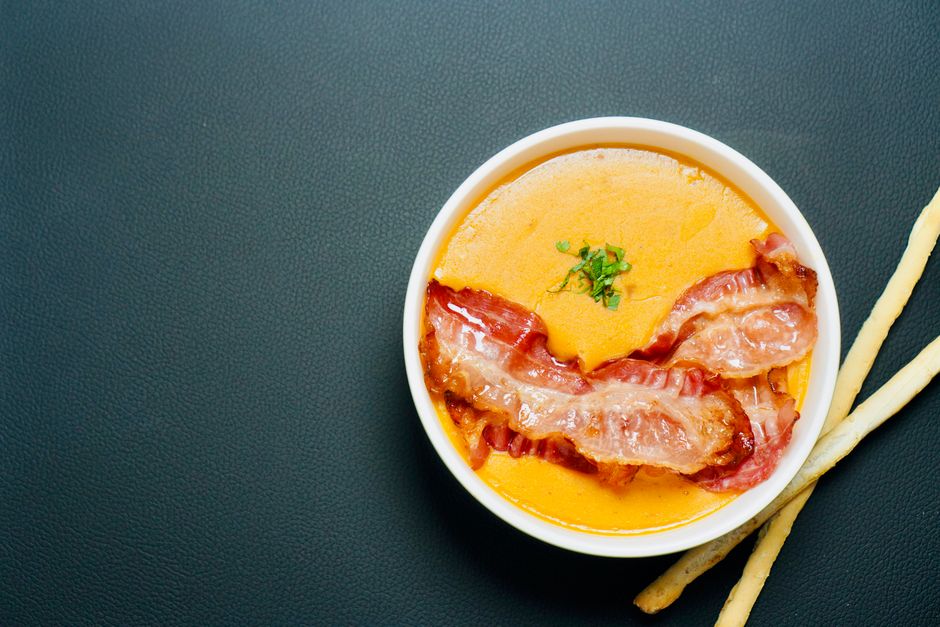
Most keto soup advice online is a list of cream-based recipes dressed up with bacon and called a “complete guide.” That’s not a guide. That’s someone padding a food blog with stock photos and SEO keywords. What you actually need is a realistic look at which soups hold up well on keto, which ones require genuine technique to pull off, and where the common mistakes cost you either carbs or flavor.
Soups are, honestly, one of the better categories of food for keto eating. Fat carries well in liquid form. Protein holds up through long cook times. And most of the carb-heavy thickeners (flour, cornstarch, potatoes) are optional, not structural. Once you understand what those thickeners were actually doing, you can replace them without wrecking the dish.
The one thing most keto soup recipes won’t tell you: a watery broth base tastes thin and sad without fat emulsified into it. That’s not a keto problem specifically, that’s just physics. Fix it with a finishing swirl of butter, a dollop of full-fat sour cream, or an immersion blender run through roasted vegetables. The fat doesn’t just add calories; it changes mouthfeel entirely.
- Keep net carbs under 8g per bowl by swapping potatoes for cauliflower or turnips, not just "reducing" them.
- Heavy cream adds ~0.4g carbs per tablespoon, use it freely; coconut milk (full-fat) adds ~1.3g per tablespoon.
- Xanthan gum (1/4 tsp per quart) replaces flour-based thickening without adding measurable carbs.
- Bone broth adds collagen and fat; standard boxed stock is fine but won't emulsify the same way.
- The biggest mistake is building a low-fat broth base and calling it keto-friendly. Fat is the fix.
The Carb Problem (and It’s Smaller Than You Think)
Classic soup recipes usually carry carbs in three places: the thickener, the starchy vegetables, and sometimes a pasta or grain. Remove all three and you’re mostly done. What surprises people is how little they miss the thickener once the fat content is right.
Thickening options, ranked by how well they actually work in practice:
Xanthan gum is my first choice for cream soups. A quarter teaspoon per quart of liquid, whisked into a little cold cream before adding to the hot pot, gives you a silky texture without gumminess if you don’t overdo it. I made the mistake of adding it directly to a hot pot once and got stringy little clumps throughout. You don’t want that.
Blended vegetables work best in puree-style soups. Roasted cauliflower blended into a soup base gives you body and a slight sweetness. A reader from Portland, Maggie, emailed me last month to say she’d been blending half her onions and celery after softening them in butter, then adding the rest chunked, and it had completely changed the texture of her broth-based soups without adding any notable carbs.
Cream cheese or mascarpone melted into a soup base is underrated. Works especially well in tomato-based or roasted red pepper soups where you want richness and a faint tang.
| Thickener | Carbs (per tbsp or 1/4 tsp for xanthan) | Best Use | Notes |
|---|---|---|---|
| All-purpose flour | ~6g per tbsp | (skip it) | Not keto |
| Cornstarch | ~7g per tbsp | (skip it) | Not keto |
| Xanthan gum | ~0g per 1/4 tsp | Cream soups, gravies | Dissolve in fat first |
| Blended cauliflower | ~1.5g per 1/4 cup | Puree soups, bisques | Adds mild sweetness |
| Cream cheese | ~0.5g per oz | Creamy, tangy soups | Must melt slowly |
| Coconut cream | ~1.3g per tbsp | Thai, curry soups | Adds coconut flavor |
| Heavy cream | ~0.4g per tbsp | Almost everything | Most versatile option |
Four Soups Worth Building Into Your Rotation
I’m not going to give you twenty recipes. Nobody needs twenty recipes. You need four solid ones you’ll actually make again.
Broccoli cheddar is the gateway. It’s forgiving, fast, and hits fat macros hard. The trick most recipes skip: roast the broccoli first (425°F, 18 minutes, tossed in olive oil) before adding it to the soup. Raw broccoli simmered in broth tastes like cafeteria food. Roasted broccoli pureed into cream soup tastes like something you’d pay $14 for. Add sharp cheddar off the heat, not while the pot’s still boiling, or it’ll break and go grainy.
Egg drop soup is the fastest keto soup that exists. Bone broth, a small amount of toasted sesame oil, a teaspoon of soy sauce or coconut aminos, white pepper, and slowly poured beaten eggs while stirring. Done in 10 minutes. Net carbs: roughly 2g per bowl depending on your broth. I keep homemade bone broth in the freezer specifically for this.
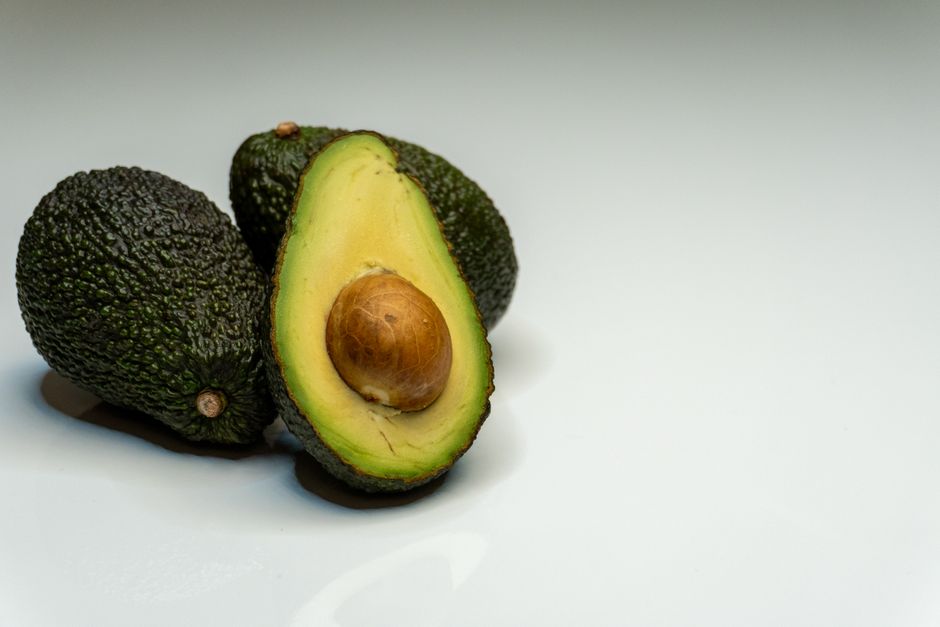
Slow-cooker green chile chicken is the one I’d make for someone not doing keto who I was trying to convince them keto food doesn’t suck. Bone-in chicken thighs, roasted Hatch green chiles (use canned in January, fresh in August), chicken broth, garlic, cumin, and a full brick of cream cheese added in the last 30 minutes. Shred the chicken in the pot. Serve with sliced avocado. It runs about 6g net carbs per generous bowl when you use the full-fat cream cheese.
Tom kha gai (Thai coconut galangal chicken soup) is technically already close to keto-friendly in traditional form. The only swaps: skip the rice noodles some versions include, go easy on the fish sauce if you’re counting sodium. Full-fat coconut milk, fresh galangal (or dried), lemongrass, kaffir lime leaves, mushrooms, and chicken. The soup has a lip-sticking richness that scratches the same itch as a heavy Western cream soup, just with different spices.
Worked example: A reader who’d been struggling with meal prep fatigue switched to making a single big-batch keto soup every Sunday. Week one: broccoli cheddar (doubled recipe, ~10 servings). She ate it for 4 lunches and froze the rest. Net carbs per lunch: 7g. Prep time: 45 minutes. That’s it. That was the whole change. She told me her midday macro compliance went from about 60% to consistent, because the decision was already made.
Where Keto Soups Go Wrong
The most common failure I see: building the whole soup around broth, keeping it low-fat because “broth feels light,” and then being disappointed it doesn’t taste satisfying. Satiety in keto eating is fat-driven. A bowl of low-fat chicken broth with vegetables is not a keto meal. It’s a diet soup that’ll have you raiding the pantry two hours later.
Second most common failure: using imitation or low-fat cheese. Reduced-fat cheddar doesn’t melt correctly, and it contributes a slightly artificial flavor that lingers. Full-fat cheese only. Not a preference, a functional requirement.
Third: expecting turnips and celery root to taste like potatoes. They don’t. Stop mourning potatoes and appreciate what turnips actually are: a slightly peppery, firm vegetable that holds its shape in a braise and absorbs fat beautifully. Once I stopped comparing turnips to potatoes and evaluated them on their own terms, I started using them way more.
Bone Broth vs. Boxed Stock: Does It Matter?
Honestly, less than the internet wants you to believe, with one exception. The exception is soups where the broth is the star (egg drop, simple miso-style, French onion). In those, quality broth is the whole dish. Use Kettle & Fire bone broth if you’re buying, or make your own from roasted chicken backs (about $1.50/lb at most butchers, roasted at 400°F for 40 minutes, then simmered for 3-4 hours with aromatics). The collagen content in a good bone broth changes the texture of the finished liquid. You’ll feel it on your lips.
For a cream soup or a heavily spiced soup? Use whatever stock you have. The flavor base will dominate. This is one place where the keto influencer complex of “only use bone broth, always, for everything” oversells the marginal benefit.
Worked example: I did a side-by-side with the same broccoli cheddar recipe using boxed chicken stock versus homemade bone broth. In a cream soup with sharp cheddar, roasted broccoli, and heavy cream, a blind-taste panel of four people (yes, I know, small sample) could not reliably distinguish between the two. In a plain sauteed-onion and broth soup with minimal cream, everyone identified the bone broth version as “richer” and “more savory.” Context matters.
For equipment: a good immersion blender is probably the single most useful tool for keto soups, because it lets you partially blend a pot to create body without making it a full puree. The Vitamix Immersion Blender is the one I use, but any decent cordless option above $30 will do the job. A kitchen scale is also worth having for portion accuracy, especially with high-carb ingredients like onions and carrots where a little extra adds up. The OXO Good Grips kitchen scale runs around $55 and has never let me down.
As of July 2026, electrolyte depletion is still the most underaddressed issue for people eating keto soups as a dietary staple: broth helps with sodium, but potassium and magnesium often go short. Add a pinch of Morton Lite Salt (potassium chloride blend) to your broth for a simple fix, or use a supplement like LMNT electrolytes.
Worked example: A client of mine was doing two keto soups per day as her primary meals during a strict cut. Great compliance, good fat ratios, but she was getting leg cramps by week two. We added 1/4 tsp Morton Lite Salt to each pot and the cramps stopped within three days. The soups weren’t the problem; the electrolyte gap was.
Sources
- Paoli A, et al. (2013): “Beyond weight loss: a review of the therapeutic uses of very-low-carbohydrate (ketogenic) diets.” European Journal of Clinical Nutrition 67(8):789-796.
- USDA FoodData Central: Nutritional composition database for all carb/fat figures cited.
- Westman EC, et al. (2008): “The effect of a low-carbohydrate, ketogenic diet versus a low-glycemic index diet on glycemic control.” Nutrition & Metabolism 5:36.
- Kettle & Fire bone broth nutrition data: Protein and collagen content per carton, verified 2026.
- Paoli A (2014): “Ketogenic diet for obesity: friend or foe?” International Journal of Environmental Research and Public Health 11(2):2092-2107.
Photo: Ivan Vi via Pexels
This article is for general informational purposes only and does not constitute medical or dietary advice. Always consult a licensed healthcare provider or registered dietitian before making significant changes to your diet, especially if you have a medical condition.