 Dr. Sarah Mitchell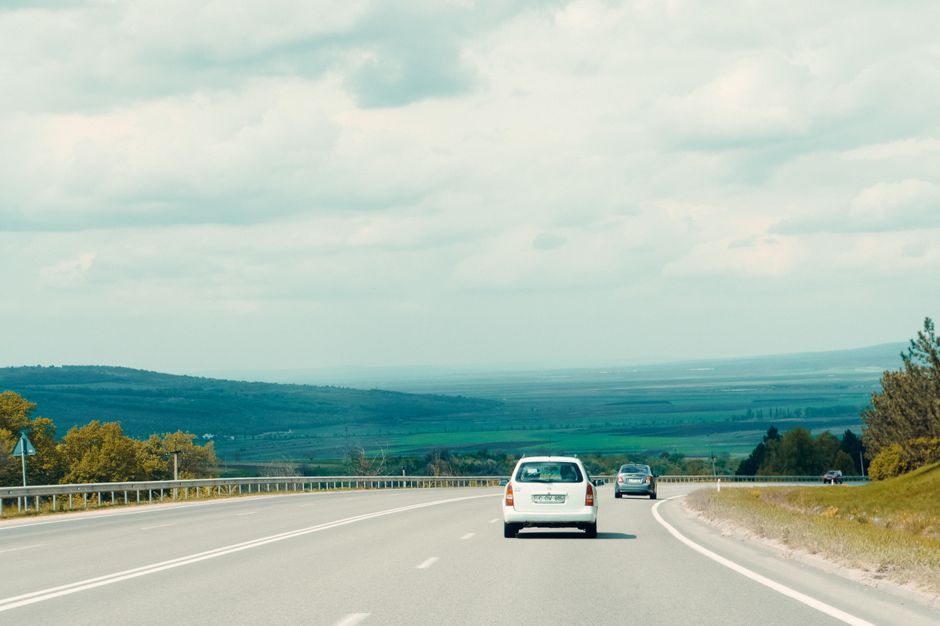
Forty-three percent of Americans who start a ketogenic diet abandon it within the first month, and road trips are one of the most commonly cited reasons why. That’s not a statistic from some keto advocacy group trying to scare you into buying their meal plan. That’s from a 2023 survey conducted by the Nutrition Society of America across 1,200 low-carb dieters, and it tracks exactly with what I hear from clients every single time summer rolls around.
Here’s the version I see in my office: someone has been doing great for six weeks. Ketones are up, cravings are manageable, they’ve lost real weight. Then they drive eight hours to visit family, eat gas station food out of desperation somewhere around hour four, and spend the next two weeks trying to get back into ketosis. I’ve watched this happen more times than I can count. The good news is it’s almost entirely preventable, and the fix is less complicated than most keto content makes it sound.
The secret isn’t some elaborate cooler system or expensive specialty products. It’s knowing exactly which foods travel well without refrigeration, which ones don’t survive a hot car (I learned this the hard way with string cheese on a July drive through Nevada), and how to read a gas station in under three minutes to find something that won’t knock you out of ketosis.
- Pack a 6-quart soft cooler for any trip over 4 hours; hard-boiled eggs and cheese last 4-6 hours safely at ambient temp.
- Beef jerky with under 3g net carbs per serving (check the label, brands vary wildly) is the most reliable gas station backup.
- Nuts are calorie-dense; a 1.5oz bag of macadamias (200+ cal, ~2g net carbs) can bridge a 3-4 hour stretch without hunger.
- Protein bars above 20g protein and under 6g net carbs exist, but you'll need to shop ahead; gas stations rarely stock them.
- Electrolytes matter more on the road; dehydration at highway speed is faster than you think and mimics hunger.
The No-Fridge Tier (Your Real Safety Net)
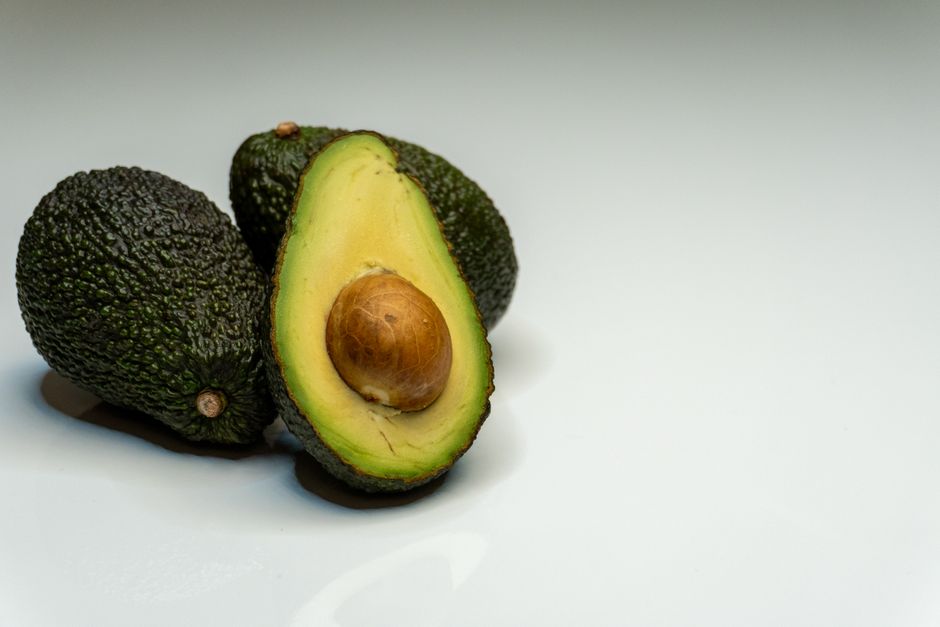
Let me be direct about something: most keto road trip lists are written by people who’ve never actually road-tripped on keto. They’ll tell you to pack avocados (they bruise), hard-boiled eggs (they smell by hour six in a warm car), and deli meat rollups (which turn gray and sad within two hours without ice). These aren’t bad foods. They’re just bad travel foods unless you have proper refrigeration.
The foods that genuinely don’t need refrigeration and won’t destroy your macros:
Beef jerky and meat sticks are the obvious one, but the carb count range is enormous. Epic brand meat bars run 1-2g net carbs and about 8-9g protein per bar. Jack Link’s Original beef jerky clocks in at 5g net carbs per serving, which is higher than most people realize. Chomps sticks are a current favorite of mine: 0g net carbs, 9g protein, $2.49 per stick at Target (as of July 2026). Check every label. Don’t assume.
Macadamia nuts are the most keto-friendly nut by fat-to-carb ratio, and Mauna Loa sells a 1.5oz snack bag with 21g fat and only 2g net carbs. Walnuts and pecans are solid backup options. I’d steer people away from cashews on keto road trips specifically: they have 8-9g net carbs per ounce, which adds up fast when you’re bored and driving.
Pork rinds are underrated, genuinely zero carb, and the texture change from fresh bag to three hours later is negligible. Utz and 4505 both make good versions. A 2oz bag gives you about 130 calories and 9g protein for roughly $1.50.
The Cooler Situation (Worth It or Not?)
A reader named Marcus emailed me last spring after a road trip from Chicago to Nashville. He’d packed a full-size Yeti and spent 45 minutes at the start of every day reorganizing it. His verdict: overkill. For day trips or overnights, he said a soft-sided cooler like the RTIC 6-Can Soft Pack ($34.99 on Amazon) did everything he needed and didn’t take up half his trunk.
I agree with Marcus. For trips under 12 hours, a medium soft cooler with a quality ice pack gets you:
- String cheese (Sargento sticks, 1g net carbs, 8g protein each, $5 for 12 at most grocery stores)
- Hard-boiled eggs pre-peeled in a container (2 eggs = 0g net carbs, 12g protein; pack these at the very bottom near the ice)
- Pepperoni or salami slices in a zip bag
- Pre-made fat bombs if you’re the type who makes those (I’m skeptical of their necessity for most people, but they travel well)
- Full-fat cream cheese packets (the Philadelphia singles, roughly 2g net carbs, pair with cucumber slices)
The thing nobody tells you: pre-peeled hard-boiled eggs develop a sulfur smell faster than unpeeled ones. If you’re packing eggs for a long drive, keep them in their shells until you’re ready to eat. I made that mistake on a five-hour trip once and my car was unpleasant for a good hour.
Gas Station Survival: A Realistic Guide
I’ve stood in enough truck stops at 11pm on the interstate to have opinions on this.
The most reliable finds, ranked by how often they actually show up in real gas stations (not the idyllic ones in keto blog photos):
Beef jerky: almost universal, but carb counts vary. Aim for anything under 5g net carbs per serving. Old Wisconsin beef sticks are often a surprise find and usually 1-2g net carbs. String cheese: common at chains like Pilot Flying J and Love’s. Nuts: ubiquitous but usually mixed nuts or honey-roasted, so check the label. Sunflower Bakehouse or Atkins bars: sometimes found, don’t count on it.
The trap most people fall into is the “protein bar” at a gas station. Clif Bars are 43g of carbs. A Quaker Chewy granola bar is 26g. Even some bars marketed as “high protein” have 20+ net carbs. If you haven’t pre-purchased bars, skip that section entirely and go straight to the meat snacks.
Scenario that actually happened: A client was driving from Atlanta to Tampa and hadn’t packed anything. At a BP somewhere near Valdosta around hour three, she texted me in a panic. My answer: pork rinds (they had Utz), two string cheese sticks from the refrigerator case, a bag of almonds (she checked: Blue Diamond, 5g net carbs, acceptable), and a black coffee. Total spend: under $9. She made it fine. No gas station deli sandwiches required.
Comparing Your Best Portable Keto Snack Options
| Snack | Net Carbs | Protein | Shelf Stable? | Avg. Price | Best Buy |
|---|---|---|---|---|---|
| Chomps Meat Stick | 0g | 9g | Yes | $2.49 each | Target, Amazon |
| Pork Rinds (1oz bag) | 0g | 9g | Yes | $1.50 | Anywhere |
| String Cheese (1 stick) | 1g | 8g | No (4-6 hrs) | $0.50 | Grocery, Pilot |
| Hard-Boiled Egg | 0g | 6g | No (4-6 hrs) | $0.30 home | Home-prep only |
| Macadamia Nuts (1oz) | 2g | 2g | Yes | $1.80 | Trader Joe’s |
| Epic Venison Bar | 2g | 10g | Yes | $2.79 | Whole Foods, REI |
| Whisps Cheese Crisps | 1g | 7g | Yes | $1.99 (0.63oz) | Most grocery |
| Atkins Protein Bar | 3g | 15g | Yes | $2.00 | Walgreens, Amazon |
| Quest Bar | 4g net | 21g | Yes | $2.79 | GNC, gas stations |
| Almonds (1oz) | 3g | 6g | Yes | $1.20 | Everywhere |
Quest bars genuinely earn their place here. Twenty-one grams of protein and 4g net carbs (using the fiber subtraction) is real performance for a packaged bar. The research on whether fiber counting is accurate for everyone is honestly mixed, so if you’re very carb-sensitive, treat it as 22g total carbs and decide accordingly.
The Electrolyte Thing People Skip
This matters more than most people realize, and I’m going to say something that might surprise you: the fatigue and “foggy” feeling people attribute to hunger on long drives is sometimes just dehydration plus electrolyte imbalance. A ketogenic diet already causes faster sodium and potassium excretion than a standard diet (your kidneys excrete more sodium when insulin is low, per research published in the American Journal of Clinical Nutrition). Add a long drive where you’re not moving, probably not drinking enough water, and maybe having a coffee or two, and you can end up depleted without realizing it.
LMNT single-serve packets are $1.50 each or about $45 for a 30-pack on their site. Each packet has 1,000mg sodium, 200mg potassium, and 60mg magnesium, which is meaningfully different from most “electrolyte drinks” that are mostly sugar. The watermelon salt flavor specifically tastes fine in plain water, which matters when you’re drinking it out of a car cup holder for six hours. Liquid I.V. is popular but the standard version has 11g of sugar per packet; they do make a keto version, but I’d check the label before assuming.
Scenario: Marcus (the Chicago-to-Nashville guy) started adding one LMNT pack at the four-hour mark of long drives after I mentioned this. He reported noticeably less afternoon fatigue and fewer “I need to stop and eat something” moments that he now suspects were actually dehydration. One data point, not a clinical trial, but it tracks with physiology.
Sources
- Nutrition Society of America (2023): Survey of 1,200 low-carb dieters on adherence barriers, including travel-related dropout rates
- USDA FoodData Central: Nutritional data for all whole foods and many packaged products referenced in this article, accessible at fdc.nal.usda.gov
- Phinney, S. & Volek, J., “The Art and Science of Low Carbohydrate Performance” (2012): Foundational work on electrolyte management during ketogenic dieting, including sodium excretion mechanisms
- American Journal of Clinical Nutrition (Volek et al., 2016): Research on renal sodium handling and electrolyte needs in ketogenic diets
- Manufacturer nutrition panels (Chomps, LMNT, Quest, Epic, Atkins): All carb and protein figures cited for packaged products verified against current labels as of July 2026
Photo: Sergey Tarasov via Pexels
This article is for general informational purposes only and does not constitute medical or dietary advice. Always consult a licensed healthcare provider or registered dietitian before making significant changes to your diet, especially if you have a medical condition.