 Diana Walsh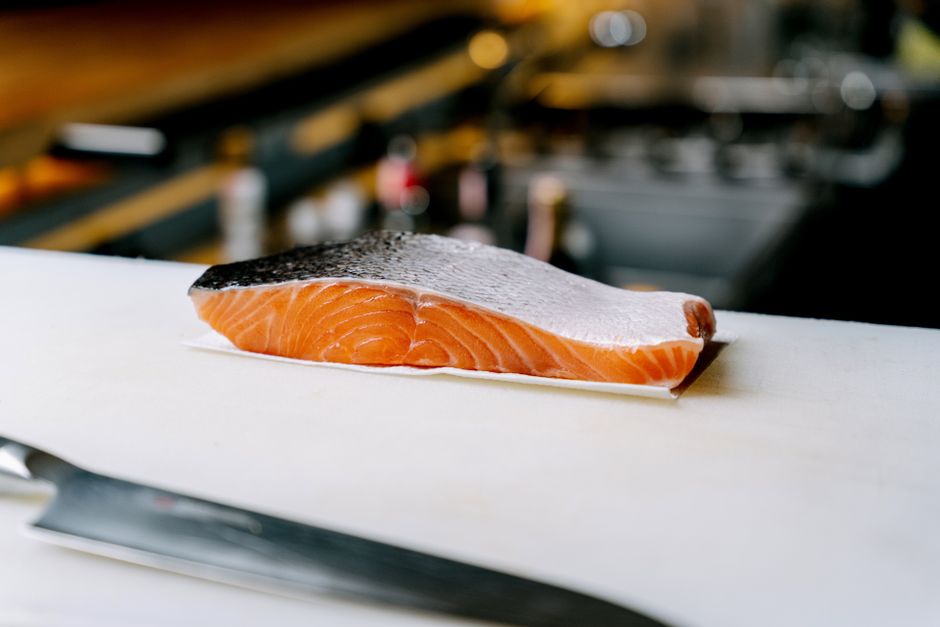
Salmon might be the single most forgiving fish you can cook on keto, and somehow people still manage to ruin it. I’ve watched clients spend $18 on a beautiful wild-caught fillet and turn it into a gray, chalky disappointment by overcooking it two minutes past done. So before we get to any actual recipe, I want to talk about the one thing that separates good keto salmon from great keto salmon: fat timing.
Most people treat salmon like a lean protein. It’s not. A center-cut salmon fillet has anywhere from 10 to 14 grams of fat per 3.5-ounce serving on its own, which means it’s already doing keto work for you before you add a single drop of butter. Your job is to protect that fat, not cook it out.
The Base Recipe: Pan-Seared Salmon with Brown Butter and Capers
This is the recipe I come back to more than any other. Fifteen minutes, one pan, a fillet that’s crispy-skinned on the outside and barely-set in the middle. The macros work out almost exactly right for keto without any tweaking: roughly 40g fat, 34g protein, and under 2g net carbs per serving, depending on your fillet size.
What you need (serves 2):
- 2 salmon fillets, about 6 oz each, skin on, ideally wild-caught sockeye or king
- 2 tablespoons unsalted butter
- 1 tablespoon olive oil
- 2 tablespoons capers, drained
- 1 tablespoon fresh lemon juice
- Salt and black pepper
- 1 teaspoon fresh dill or flat-leaf parsley (optional, but worth it)
How to do it:
Pat the fillets completely dry with paper towels. Moisture is the enemy of a good sear. If you skip this step you’ll steam the fish instead of crisping it. Season both sides generously with salt and pepper.
Heat the olive oil in a stainless steel or cast iron skillet over medium-high heat until it shimmers. Lay the fillets skin-side down and press gently for the first 10 seconds to prevent curling. Don’t touch them again.
Cook skin-side down for 4 to 5 minutes, until the flesh has turned opaque about two-thirds of the way up. Flip once. Add the butter right when you flip. Cook another 60 to 90 seconds. The center should still look slightly translucent when you pull it off heat. Residual heat will finish the job.
Remove the fish to plates. Let the butter continue cooking in the pan another 30 seconds until it smells nutty and turns golden. Toss in the capers (they’ll spit, so step back), add the lemon juice, swirl, and pour over the fillets.
That’s it. The capers give you a briny punch that cuts through the richness without any sugar or starch.
Where Fat Comes From (And Where People Get Confused)
The question I get most often: do I need to add a lot of extra fat to make this keto?
No. Salmon is already a high-fat fish, especially sockeye and king salmon. Where people go wrong is trying to compensate for bland, overcooked fish by drowning it in cream sauces. That can work, and I’ll get to it, but it’s worth knowing that a well-cooked piece of salmon with two tablespoons of brown butter is already sitting at 45+ grams of fat per serving. You’re not undernourished on fat here.
If you want to build out a full keto plate, pair the salmon with a fat-forward side: roasted asparagus finished with MCT oil or olive oil, a simple cucumber avocado salad, or creamed spinach made with full-fat cream cheese. Those combinations keep the net carbs well under 10g for the whole meal.
The Cream Sauce Version (Because Sometimes You Want Comfort Food)
Some nights the brown butter situation is too light. You want something that feels like dinner dinner. This is where a lemon-dill cream sauce earns its place.
Same sear as above. After removing the fish, add a minced shallot to the pan and cook 90 seconds. Pour in 1/3 cup heavy cream and a tablespoon of cream cheese. Stir until it tightens into a sauce, about 2 minutes. Add dill, lemon zest, salt. Spoon over the fillets.
The cream sauce adds roughly 15g fat and about 2g net carbs per serving. Totally reasonable. Just watch your shallot quantity, shallots have more sugar than people realize, and one large shallot can push you over low-carb limits faster than expected.
A Note on Fish Quality and What Actually Matters
| Salmon Type | Price Range | Omega-3/Omega-6 Ratio | Texture | Best For |
|---|---|---|---|---|
| Wild-caught sockeye/king | $12+ per pound | Better | Firmer | Hard sear, premium quality |
| Farmed Norwegian/Scottish Atlantic | $6-$8 less per pound | Standard | Good | Budget-conscious meals |
| Frozen wild-caught (Trader Joe’s) | $10-$12 per pound | Better | Good | Weeknight cooking |
| Pre-marinated/pre-seasoned | Variable | N/A | N/A | Avoid-hidden carbs, markup |
Wild-caught vs. farmed is a real distinction here, not just marketing. Wild-caught sockeye has a better omega-3 to omega-6 ratio and a firmer texture that holds up better to a hard sear. But good farmed Atlantic salmon (specifically Norwegian or Scottish farmed, which tend to be cleaner operations) is fine and usually $6 to $8 less per pound at Costco or Whole Foods. Frozen wild-caught from Trader Joe’s, around $10 to $12 a pound, is genuinely good and what I use on weeknights when I’m not being precious about it.
Skip pre-marinated or pre-seasoned salmon fillets. They almost always contain sugar or honey, the carb count hides in the marinade, and you’re paying a markup for something that takes three minutes to replicate at home.
A kitchen scale matters more than most people expect. Salmon fillets vary wildly in size, and if you’re tracking macros carefully, eyeballing “6 ounces” can be off by 2 to 3 ounces in either direction. A basic digital scale runs about $12 and pays for itself in accurate tracking within a week.
Meal Prep: Can You Make Salmon Ahead?
Sources
Cooked salmon keeps in the fridge for up to 3 days, and it’s genuinely good cold in a salad or flaked into cauliflower rice. But reheated salmon isn’t as good as fresh. The texture gets mealy and the fat can turn.
What I do instead: prep everything but the fish. Make the cream sauce, chop the herbs, have the sides ready. The actual sear takes 7 minutes, which is fast enough for a Tuesday night even when you’re tired.
If you’re batch cooking for the week, baked salmon holds texture better than pan-seared after refrigeration. 400°F for 12 to 14 minutes, olive oil, salt, whatever spices you like. It’s less exciting but it reheats more gracefully in a glass meal prep container with a side dish.
Here’s something most people don’t realize: reheating salmon in an air fryer at 350°F for 3 to 4 minutes is noticeably better than the microwave. The skin can even re-crisp a little.
The brown butter version on a Tuesday night with asparagus on the side is genuinely one of the best quick keto meals I know. It requires almost nothing, it’s cheap relative to the quality you get, and it doesn’t feel like diet food. That matters more than people admit when you’re trying to eat this way long-term.
(This site may earn a commission on Amazon purchases made through links in this article.)
Photo: Ivan S via Pexels
This article is for general informational purposes only and does not constitute medical or dietary advice. Always consult a licensed healthcare provider or registered dietitian before making significant changes to your diet, especially if you have a medical condition.