 Jake Torres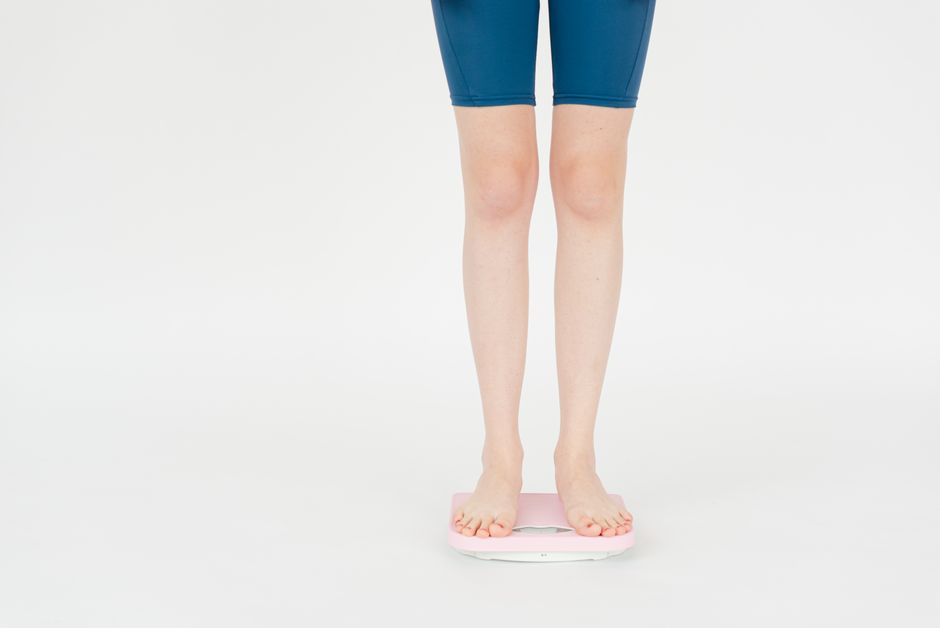
You’ve been strict with your macros for weeks. The scale moved fast at first, maybe 8 or 10 pounds in the first month, and you were feeling unstoppable. Then, nothing. A week goes by. Two weeks. The number on the scale just sits there, staring back at you like it’s personally offended by your discipline. You haven’t cheated. You’re still eating under 20 grams of carbs a day. So what gives? You’ve hit a keto plateau, and you’re far from alone. It happens to nearly everyone who follows a low-carb diet long enough, and the reasons behind it are more nuanced than most people realize.
Why Keto Plateaus Happen (and Why They’re Not Your Fault)
The first thing to understand is that a plateau isn’t evidence that keto has stopped working. It’s evidence that your body is doing exactly what it evolved to do: adapt.
When you first cut carbs, your body burns through its glycogen stores in the liver and muscles. Each gram of glycogen holds about 3 grams of water, so a big chunk of that early weight loss is water and glycogen depletion. Dramatic and motivating, yes. But it’s not all fat.
Once glycogen is gone, your body shifts to burning fat for fuel. Fat oxidation is slower and more metabolically expensive than burning glycogen. Weight loss continues, but at a gentler pace. That’s normal. The problem comes when your metabolism adjusts to your new calorie intake and activity level, which it will, usually within a few months.
Then there’s metabolic adaptation, sometimes called adaptive thermogenesis. When you consistently eat at a calorie deficit, your body lowers its resting metabolic rate to compensate. Research published in Obesity (Rosenbaum & Leibel, 2010) showed that people who lost weight experienced a drop in resting energy expenditure beyond what you’d predict just from losing mass. Translation: you burn fewer calories at rest than you did before, even accounting for the weight you’ve lost. This is what’s actually driving most plateaus.
Beyond metabolism, there are behavioral factors. Portion sizes creep up. That handful of almonds becomes two handfuls. The heavy cream in your coffee adds up to 200 extra calories a day without you even noticing. I’ve seen this play out with dozens of clients who were genuinely shocked when they started food logging again after months of eating by feel.
Are You Actually at a Plateau?
Before you overhaul everything, take a breath. A true plateau is generally defined as no meaningful change in weight or body composition for at least 3 to 4 weeks despite no obvious change in diet or activity. One bad week, water retention from high sodium or a stressful event, or a hormonal cycle for women does not count.
A few things can mask fat loss on the scale:
- Muscle gain: If you’ve added strength training, you may be losing fat and gaining muscle simultaneously. The scale lies. Your mirror and your clothes don’t.
- Water retention from inflammation: A hard workout, new exercise, or even a poor night’s sleep can cause your body to hold water for days.
- Hormonal fluctuations: For women, the week before a period can bring 2 to 5 pounds of water retention that vanishes after menstruation.
The most reliable way to assess real progress is to track more than scale weight. Take monthly measurements of your waist, hips, and thighs. Track how your clothes fit. Use progress photos. If those are still moving in the right direction, the scale isn’t telling the whole story.
A digital food scale like the OXO Good Grips 11-Pound Food Scale is genuinely useful at this stage. Weighing food rather than estimating it is one of the fastest ways to identify where hidden calories are sneaking in. (This site may earn a commission on qualifying purchases.)
The Six Most Common Causes of a Keto Plateau
Keto Diet: Does It Really Work for Weight Loss? · Doctor O'Donovan on YouTube
Let’s get specific, because vague advice like “just eat less” doesn’t help anyone.
1. Calorie creep. Keto foods are calorie-dense. Cheese, butter, nuts, fatty cuts of meat, avocado oil, these are not low-calorie foods. Many people lose weight on keto without counting calories at first because ketosis naturally suppresses appetite. But after a few months, appetite regulation can normalize, and unconscious overeating fills the gap.
2. Too much dietary fat. This one surprises people. On keto, fat is your primary fuel, but if you’re eating far more fat than your body needs, it burns the fat you eat instead of the fat you’re carrying. You can be in ketosis and not lose weight. The goal is to eat enough fat to feel satisfied, not to treat fat as a performance metric.
3. Hidden carbs. Certain foods marketed as keto-friendly carry enough net carbs to knock sensitive people out of ketosis or at least impair it. Processed keto snacks, protein bars, low-carb tortillas, and sugar alcohols like maltitol all deserve scrutiny. Check total carbs, not just net carbs, especially if you’re sensitive to sugar alcohols.
4. Inadequate protein. This is underrated. Getting enough protein (roughly 0.7 to 1.0 grams per pound of lean body mass) preserves muscle during weight loss. Muscle is metabolically active tissue. Lose it, and your metabolic rate drops further. Many keto followers eat far too little protein because they’re afraid it will kick them out of ketosis via gluconeogenesis. In practice, dietary protein rarely raises blood sugar meaningfully in healthy individuals.
5. Chronic stress and poor sleep. Cortisol, your primary stress hormone, signals the body to store fat, especially around the midsection. It also drives cravings and disrupts sleep. Poor sleep independently raises ghrelin (your hunger hormone) and lowers leptin (your satiety hormone). If you’re sleeping 5 hours a night and stressed constantly, no macronutrient ratio will fully overcome that.
6. Sedentary habits outside the gym. NEAT, non-exercise activity thermogenesis, is the energy you burn doing everything that isn’t formal exercise. Walking to meetings, fidgeting, doing dishes. Research suggests NEAT can vary by up to 2,000 calories per day between people of similar size. Many people unconsciously move less when dieting, which compounds metabolic adaptation.
A Step-by-Step Protocol for Breaking a Keto Plateau
This is what I’d walk a client through in our first session after they’ve been stuck for a month.
Step 1: Log everything for 7 days. Not selectively. Everything. Weigh food using a scale. Use an app like Cronometer, which is more accurate for micronutrients than MyFitnessPal. This step alone solves maybe 40% of plateaus in my experience.
Step 2: Audit your carbs. Temporarily drop to strict whole-food sources only. No keto snacks, no packaged low-carb products. Vegetables, meat, eggs, full-fat dairy, nuts in small measured quantities.
Step 3: Adjust your calories. Use your logged data to check your actual intake. A common target for fat loss is a deficit of 300 to 500 calories below your estimated total daily energy expenditure. Don’t go lower than 1,200 calories for women or 1,500 for men without medical supervision. Severe restriction accelerates adaptive thermogenesis.
Step 4: Try a protein reset. Bump protein to the higher end of your range, around 1.0 gram per pound of lean body mass, for two to three weeks. Higher protein intake increases satiety, supports muscle retention, and has a higher thermic effect. You burn more calories just digesting it.
Step 5: Add a strategic carb refeed. This sounds counterintuitive, but a single higher-carb day (around 100 to 150 grams of net carbs from whole food sources like sweet potatoes or fruit) every 10 to 14 days can temporarily raise leptin levels and reset metabolic rate. You’ll briefly exit ketosis. The goal here is metabolic, not a cheat day free-for-all.
Step 6: Move more, formally and informally. Add one extra 20-minute walk per day. It’s modest, but at 3 mph you burn roughly 70 to 90 extra calories. Over a month, that’s 2,100 to 2,700 additional calories burned, or roughly half a pound of fat.
Step 7: Review sleep and stress. If you’re consistently sleeping under 7 hours, that’s a physiological barrier to fat loss no diet can fully overcome. Prioritize this as a non-negotiable.
Supporting your electrolytes during this period matters. Many keto followers are chronically low in sodium, potassium, and magnesium, which affects energy, sleep, and muscle function. A clean electrolyte supplement like LMNT Electrolyte Drink Mix can help without adding carbs or artificial ingredients. (This site may earn a commission on qualifying purchases.)
Should You Add Intermittent Fasting?
Combining keto with intermittent fasting (IF) is one of the most popular plateau-busting strategies, and there’s decent evidence to support it, at least mechanistically. IF helps lower insulin levels further, which promotes fat mobilization. It can also reduce total calorie intake without requiring you to track every gram.
A 16:8 approach, eating within an 8-hour window and fasting for 16 hours, is the easiest starting point. For most people that looks like skipping breakfast and eating from noon to 8 PM. Black coffee and water during the fasting window are fine.
A few caveats: IF isn’t magic, and it doesn’t override excessive calorie intake. Some people find extended fasting triggers binge eating later in the day, especially those with a history of disordered eating. And for women, there’s emerging evidence that aggressive fasting protocols can disrupt cortisol and sex hormone regulation. If you try IF and feel worse, more fatigued, more irritable, worse sleep, pull back. No single strategy works for everyone.
The Comparison: Common Plateau Fixes at a Glance
Sources
- OXO Good Grips 11-Pound Food Scale
- LMNT Electrolyte Drink Mix
- SHVETS production
- published in Obesity (Rosenbaum & Leibel
- suggests NEAT can vary by up to 2
| Strategy | Time to See Results | Difficulty | Best For |
|---|---|---|---|
| Food logging + calorie audit | 1 to 2 weeks | Low | Calorie creep |
| Strict carb audit (whole foods only) | 1 to 2 weeks | Medium | Hidden carb issues |
| Protein increase | 2 to 3 weeks | Low | Muscle preservation, satiety |
| Adding daily walking | 2 to 4 weeks | Low | Sedentary lifestyles |
| 16:8 intermittent fasting | 2 to 4 weeks | Medium | Insulin lowering, calorie control |
| Carb refeed day | Immediate + 1 week | Medium | Metabolic adaptation |
| Sleep and stress intervention | 4 to 8 weeks | High | Chronic plateau despite good diet |
Plateaus are frustrating, but they’re also informative. They tell you something has shifted, either in your body, your habits, or both, and that it’s time to look a little closer. The people I’ve seen bust through their longest stalls weren’t the ones who tried the most dramatic interventions. They were the ones who got honest with the data, made one or two targeted adjustments, and stayed consistent long enough for those changes to show up. That patience, combined with a willingness to problem-solve rather than give up, is what actually moves the needle.
Photo: SHVETS production via Pexels