 Diana Walsh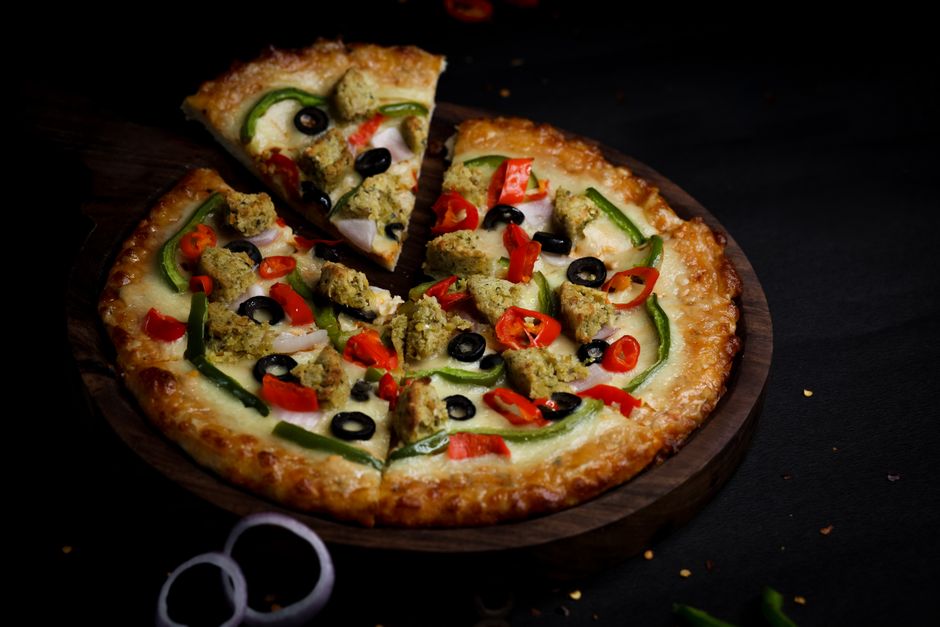
Most keto pizza attempts fail in the same way: someone follows a popular recipe, pulls a soggy disc out of the oven, takes one bite, and decides keto pizza is a lie. I’ve had that conversation with clients more times than I can count. The truth is that bad keto pizza is genuinely bad. But a well-made version? It holds up. I make it for people who aren’t on any kind of low-carb diet, and they eat it without complaint.
The difference almost always comes down to the crust choice and how you handle moisture. That’s where most recipes gloss over the part that actually matters.
The Crust Debate: Fathead vs. Cauliflower vs. Chicken
| Crust Type | Primary Ingredients | Net Carbs per Slice | Texture Profile | Best For |
|---|---|---|---|---|
| Fathead | Mozzarella, cream cheese, almond flour, egg | 3-5g | Chewy, bread-like | Beginners, bread experience |
| Cauliflower | Riced cauliflower, egg, parmesan, mozzarella | Lower | Fork-and-knife, vegetable notes | Vegetable preference |
| Chicken | Ground or canned chicken, egg, parmesan | Lowest | Protein-forward, satisfying | Highest protein needs |
There are three crust types worth your time. Everything else (almond flour alone, egg-only crusts, cloud bread bases) ranges from mediocre to genuinely unpleasant.
Fathead dough is the one I recommend to almost everyone starting out. It’s made from melted mozzarella, cream cheese, almond flour, and egg. The mozzarella gives it structure and a chew that’s closer to real dough than anything else in the keto toolkit. The carb count runs about 3-5g net per slice depending on how thick you make it, which fits comfortably in most people’s daily targets. The flavor is mild enough that it doesn’t compete with your toppings.
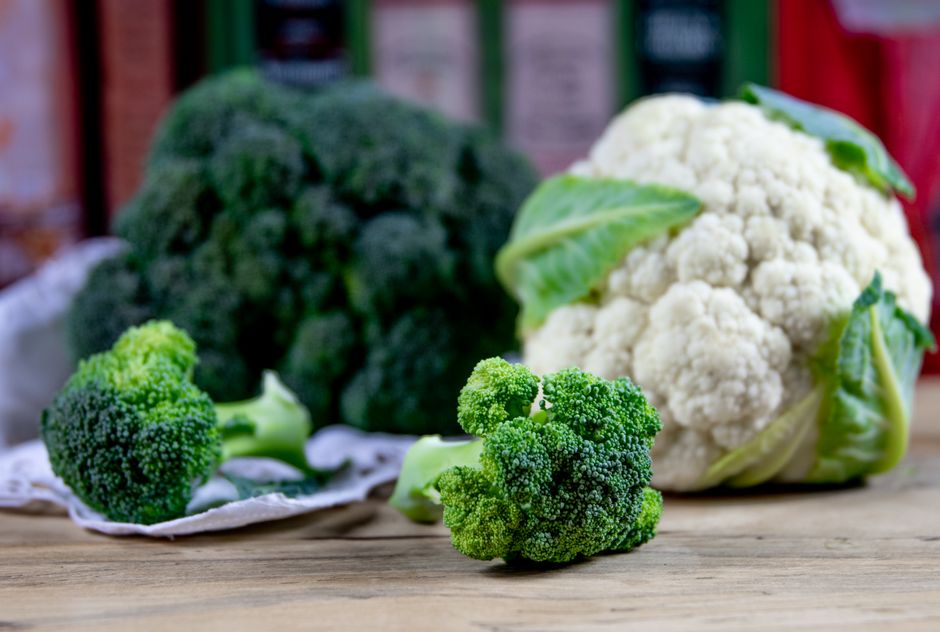
Cauliflower crust has had a long run of hype that it only partially deserves. When you make it right (more on that in a minute), it’s genuinely good. But it requires more steps, the moisture issue will absolutely ruin it if you skip a step, and the end result still tastes like cauliflower. If you like cauliflower, that’s fine. If you’re chasing a bread experience, it won’t deliver.
Chicken crust sounds strange. It’s made from ground chicken or canned chicken mixed with egg and parmesan. But hear me out: it’s the highest-protein, lowest-carb option of the three, and when you season it well and bake it hot enough to get some browning, it’s actually satisfying in a way that’s hard to explain until you’ve tried it. I’d call it the sleeper pick.
The Fathead Crust: Exactly How to Make It
Here’s the version I’ve landed on after making this probably fifty times, with the specific details that most recipes leave out.
You’ll need: 1.5 cups shredded low-moisture mozzarella, 2 tablespoons full-fat cream cheese, 3/4 cup blanched almond flour (Kirkland from Costco works perfectly and runs about $12 for a 3-lb bag), 1 egg, 1/2 teaspoon garlic powder, 1/2 teaspoon Italian seasoning, pinch of salt.
Melt the mozzarella and cream cheese together in the microwave, starting with 90 seconds and stirring, then going in 20-second bursts until it’s fully melted and smooth. The mixture should be uniformly glossy, not streaky. Add the almond flour, egg, and seasonings directly into the warm cheese. Mix fast. You want to incorporate everything before the cheese cools and becomes stringy, which will make the dough impossible to work with.
Turn it out onto a piece of parchment. Place another sheet on top and roll it out to about 1/4 inch thick. If it tears, just press it back together with your fingers. This dough is forgiving.
Pre-bake the crust at 425°F for 8-10 minutes before you add any toppings. This is the step people skip and then wonder why their pizza is wet. Dock the surface with a fork before baking (poke it all over) to prevent bubbling. It should be lightly golden when you pull it out. Then flip it, add toppings, and bake another 8-10 minutes.
A pizza stone or a preheated sheet pan helps a lot here. If you have a pizza stone, slide the parchment directly onto it. The bottom crust will brown instead of steam.
Getting the Cauliflower Crust Actually Right
One bag of frozen riced cauliflower (Green Giant or Birds Eye, about 12 oz) works better than fresh because it’s already partially cooked down. Microwave it, then let it cool. Now: wring it out. I mean really wring it out, in a clean dish towel, with more force than you think is necessary. You’re trying to remove as much liquid as possible. Most people stop too early. The goal is a fairly dry crumble, not a wet paste.
Mix the dried cauliflower with one egg, 1/3 cup grated parmesan, 1/3 cup shredded mozzarella, salt, and garlic powder. Press it into a thin circle on parchment and bake at 450°F for 18-20 minutes until the edges are brown and the surface looks dry. Then add toppings and go back into the oven for 10 minutes.
This crust won’t hold up to being picked up like a slice. It’s a fork-and-knife situation. Manage expectations accordingly.
Toppings: Don’t Overthink It
Sources
Classic tomato sauce is fine on keto. Two or three tablespoons of a no-sugar-added marinara (Rao’s Homemade is excellent and widely available, about $9 a jar) has maybe 2-3g net carbs for the whole pizza. Some people swap in crushed San Marzano tomatoes with olive oil and garlic, which is also great.
Low-moisture mozzarella melts better than fresh here. Fresh mozzarella releases a lot of water and will make your crust soggy unless you pat it very dry first. For toppings: pepperoni, Italian sausage (check labels for added sugar), olives, roasted peppers, mushrooms, spinach, all work well. Load meat and low-carb vegetables without much worry.
What to avoid: corn, regular pizza sauce brands that add sugar, and any “flatout” style pre-made crust that claims to be keto. Most of those have more carbs than advertised.
Make it once and you’ll see exactly where recipes cut corners. The dough is a 15-minute project. Once you’ve done it a few times, you can have it in the oven faster than ordering delivery. That’s the part nobody tells you upfront.
Photo: Nomad Ashwin via Pexels
This article is for general informational purposes only and does not constitute medical or dietary advice. Always consult a licensed healthcare provider or registered dietitian before making significant changes to your diet, especially if you have a medical condition.