 Jake Torres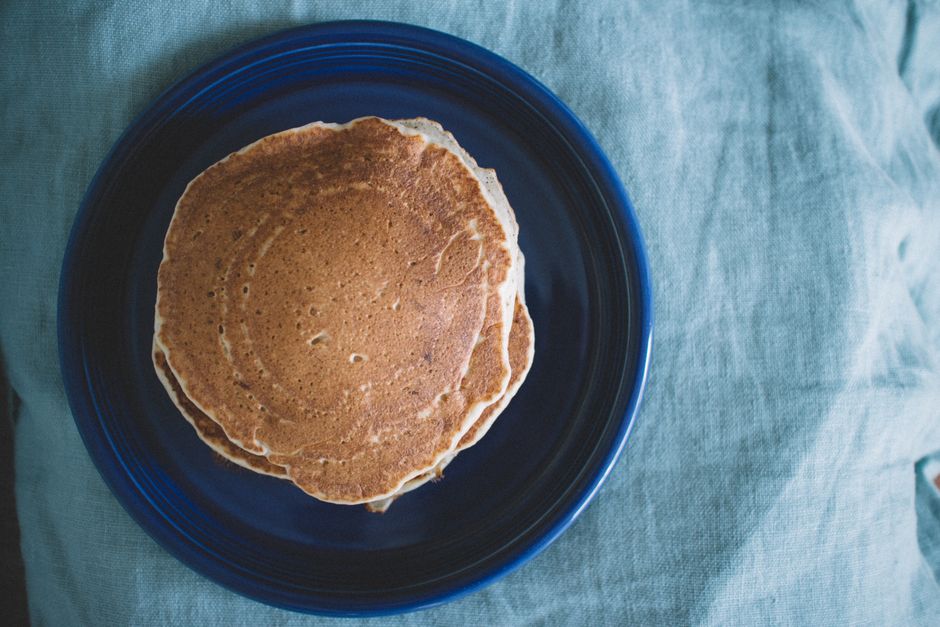
The first batch of keto pancakes I made was a disaster. Dense, eggy, tasted like I was eating a slightly sweet rubber mat. My wife took one bite, looked at me, and said nothing. That silence was worse than any criticism.
Here’s what changed: I stopped thinking of keto pancakes as a workaround and started treating them as their own thing. They’re not going to taste like Aunt Jemima, and honestly, once you get over that expectation, they’re better in ways regular pancakes aren’t: denser, richer, and they don’t leave you hungry two hours later.
This is the thing most recipes get wrong. They try too hard to fake the fluffiness of regular pancakes, load them with xanthan gum or psyllium husk, and end up with something that tastes like health food. The best keto pancakes lean into what they actually are: an egg-based platform for toppings.
The Core Recipe That Actually Works
Let me give you the formula I’ve landed on after making these probably 200 times (which is, okay, maybe a lot, but I like having a solid breakfast).
Four ingredients, done right:
Four large eggs, two tablespoons of almond flour, one tablespoon of coconut oil or butter (melted), and half a teaspoon of vanilla. A pinch of cinnamon and a tiny bit of sweetener if you want it (I use two grams of monk fruit, but honestly, vanilla does most of the work).
That’s your base. It makes three to four pancakes depending on how thick you go.
Blend the eggs first, about 30 seconds in a blender until they’re fully homogeneous. This is the secret most people skip. The blender incorporates air and makes the texture less rubbery. Add the almond flour, coconut oil, vanilla, and sweetener, then blend another 20 seconds until it’s completely smooth. If you don’t have a blender, a whisk works, but you’ll need to whisk hard for two minutes to get the eggs really aerated.
Heat a nonstick skillet over medium-low heat. Use butter to coat it, not oil. Butter browns better and tastes better. Let it get foamy, then drop the batter in with a quarter cup measure or large spoon. Don’t spread it too thin. These aren’t crepes. You want them about a quarter inch thick. They’ll look fragile. They are, a little.
Cook for about 90 seconds on the first side until the bottom is golden. I mean actually golden, not pale. The Maillard reaction is your friend here. Flip gently, then 60 seconds on the other side. The second side cooks faster.
Why Almond Flour Over Everything Else
| Flour Type | Taste | Texture | Moisture Handling | Cost per Batch | Notes |
|---|---|---|---|---|---|
| Almond flour | Neutral, slightly buttery | Best consistency | Retains moisture well | ~$0.25 | Recommended; prevents dryness |
| Coconut flour | Varies | Chalky if too much used | Absorbs excess moisture | Lower | Requires half the amount; creates thin pancakes |
| Flax | - | - | - | - | Tested but not recommended |
| Keto-specific blend | - | - | - | - | Tested but not recommended |
| Crushed pork rinds | - | - | - | - | Not recommended |
I tested this with five different flours over the course of six months: almond, coconut, flax, a keto-specific flour blend, and even crushed pork rinds (that was weird, skip it). Almond flour gave the best taste and texture consistency. It has a neutral, slightly buttery flavor, and the fat content keeps the pancakes from drying out like they do with coconut flour, which absorbs way too much moisture and turns them chalky.
Coconut flour looks good on paper because it’s cheap and has more fiber, but you have to use way less of it (usually around half a tablespoon instead of two), which means either changing the whole ratio or dealing with ultra-thin pancakes that are basically scrambled eggs with structure.
Almond flour costs more, yes. A bag of Anthony’s or Now Foods runs about eight bucks for 16 ounces. That sounds expensive until you do the math: two tablespoons is maybe 25 cents per batch. You’re buying breakfast security, not blowing a budget.
A reader from Seattle emailed me last month saying she’d tried six different pancake recipes before finding this one, and the simplicity was what sold her. She was spending an hour troubleshooting each recipe, buying specialty ingredients, getting frustrated. This one? Ten minutes from bowl to plate.
What to Put on Top of Them
The 10 Best Zero Carb Foods (that make keto easy) · Dr Dan Maggs on YouTube
This is where keto pancakes shine.
Butter and a small amount of sugar-free syrup works, but it’s boring. Real butter melts perfectly. For syrup, Lakanto or Huuhkajat are the best two brands I’ve tested. They’re expensive (about $10 to $14 per bottle), but they don’t have that chemical aftertaste a lot of the cheaper monk fruit syrups do. A tablespoon of the good stuff changes the whole experience.
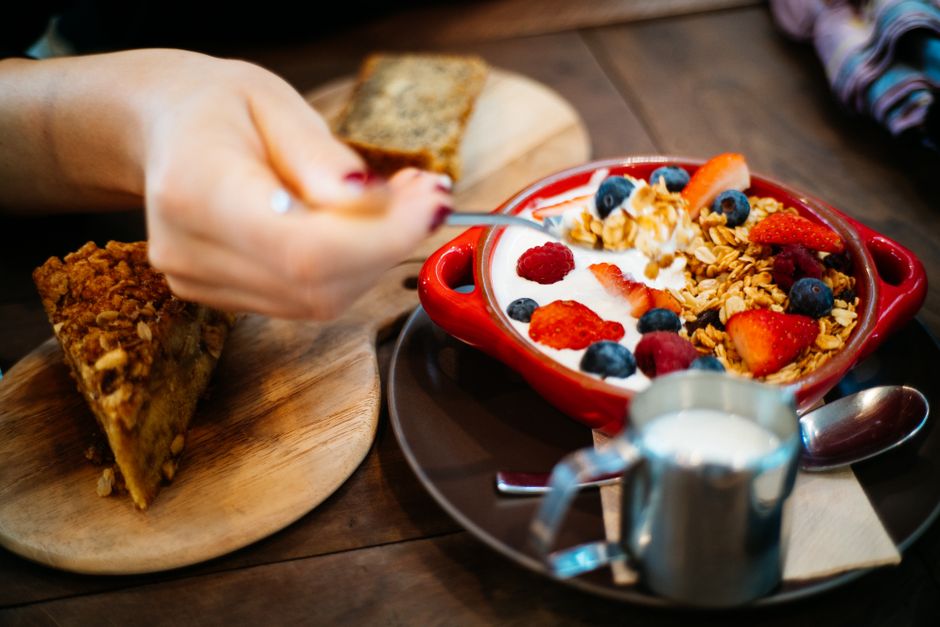
But here’s what I tell people: use these as a delivery mechanism for things you actually like. Cream cheese mixed with crushed pecans and a bit of cinnamon. Smoked salmon and a dollop of sour cream (yes, really). Greek yogurt with berries and a drizzle of almond butter.
One person I worked with made these with savory toppings mostly: a fried egg on top, some sharp cheddar, a couple slices of bacon. Made four pancakes, turned them into a breakfast sandwich situation. That person had a way better relationship with these pancakes than someone trying to recreate IHOP at home.
Berries are fine, but understand you’re adding carbs. A half cup of blueberries is about 10 grams of net carbs. Some people count that, some don’t. Just know what you’re doing.
The Texture Problem (And How to Actually Fix It)
Here’s something nobody tells you: if these turn out rubbery, it’s almost always because one of three things went wrong.
First, the eggs weren’t fully blended. They’re your binding agent and your texture driver. Underblended eggs mean lumpy, separated, sad pancakes. The blender is not optional.
Second, the heat was too high. Medium-low isn’t a suggestion. High heat seizes the outside before the inside sets, and you end up flipping too early, and the whole thing falls apart. I test the pan by flicking a tiny drop of water on it. It should sizzle gently, not evaporate instantly.
Third, you’re not letting the first side cook long enough. Ninety seconds feels long. Your instinct will be to flip at 45 seconds. Resist that. The longer the first side stays down, the more structure forms. That structure lets you flip without destroying it.
When I tested timing with my kitchen scale and a basic food thermometer, flipping at 90 seconds produced pancakes with an internal temp of about 160°F, which is properly set. Flipping at 60 seconds left the inside at 140°F, which is barely scrambled, and everything went wrong from there.
Batch Cooking and Storage
If you’re making these for more than one person, make the batter once and cook five or six pancakes. The batter keeps for about four hours in the fridge, though the first batch tastes slightly better because the eggs are fresher and fluffier.
Cooked pancakes last about three days refrigerated in a sealed container. You can reheat them in a low oven (300°F) for about six minutes, or just eat them cold with butter and cream cheese. They’re weird cold, but not bad.
Freezing works, but I don’t love it. They get denser. If you have to freeze them, put parchment between each one so they don’t weld together, then bag them. Thaw at room temperature for 20 minutes, then reheat in the toaster oven.
Sources
- USDA FoodData Central: Nutritional data for eggs, almond flour, and coconut oil.
- A 2020 study in Nutrients examining the effects of low-carb breakfasts on satiety and midday hunger, relevant to understanding why egg-based foods hold you longer than traditional carb-heavy breakfasts.
- McGill University Department of Dietetics and Human Nutrition: General guidance on ketogenic meal composition and macronutrient ratios.
Photo: Monserrat Soldú via Pexels
This article is for general informational purposes only and does not constitute medical or dietary advice. Always consult a licensed healthcare provider or registered dietitian before making significant changes to your diet, especially if you have a medical condition.