 Emma Lawson
Picture this: you’ve been on semaglutide for four months, you’ve lost 22 pounds, and your prescriber mentions that the appetite suppression makes this a perfect window to work on your eating habits. You’ve heard about keto. You wonder if combining the two would accelerate things, or if it’s reckless. You google it. You find Reddit threads, supplement ads, and one terrifying forum post about someone passing out. What you don’t find is much actual clinical data.
That just changed, a little.
On June 12, 2026, the MDPI Journal of Personalized Medicine published what appears to be the first peer-reviewed case series to formally examine pairing a whole-food ketogenic diet with low-dose semaglutide in a supervised clinical setting. Seven adults, BMIs ranging from 25.6 to 47.2, followed a six-month program combining the two approaches under clinician oversight, with semaglutide capped at 1.0 mg per week. It’s a small study, and I’ll be honest about what that means. But it arrives at exactly the right moment, because the keto-plus-GLP-1 question has become one of the loudest conversations in weight-loss medicine right now, and the gap between patient curiosity and clinical evidence has been enormous.
Why This Combination Makes Theoretical Sense
Here’s the problem that researchers are trying to solve. GLP-1 drugs like semaglutide are genuinely effective at reducing body weight, but up to 40% of the weight lost on these medications can come from lean body mass, not fat. Muscle loss at that scale isn’t just an aesthetic concern. It affects metabolic rate, insulin sensitivity, physical function, and your ability to maintain any weight loss long-term. It’s one of the more underreported downsides of the GLP-1 boom, and it’s something I raise with clients before they start.
The ketogenic diet, independently, has demonstrated some capacity to promote fat oxidation and may help preserve lean tissue during caloric restriction, partly through its effects on ketone production and protein metabolism. The theoretical logic for combining them is therefore straightforward: if keto can shift the body toward burning fat more selectively while semaglutide reduces appetite and caloric intake, the combination might produce better body composition outcomes than either approach alone. The June 2026 case series was built around exactly this hypothesis.
What’s also interesting is the timing relative to GLP-1 discontinuation. STEP 1 extension data showed that participants who stopped semaglutide without any dietary intervention regained 11.6 percentage points of body weight within 52 weeks. That’s not a small number. One analysis found that over 70% of patients who followed a ketogenic diet after stopping GLP-1 medication maintained at least a 5% body-weight reduction at 12 months. The difference is stark enough to take seriously, even accounting for the limitations of comparing across different study designs.
What the Case Series Actually Found (and Didn’t)
Seven participants is not enough to draw sweeping conclusions, and I want to be clear about that upfront. Case series exist to establish feasibility and generate hypotheses. They don’t prove causation, they can’t be generalized across populations, and they don’t replace randomized controlled trials. Anyone trying to sell you certainty based on this study is selling you something else.
That said, the study matters because it’s the first to formally document this combination in a supervised clinical context and report on what happened. The fact that the researchers chose whole-food keto, not processed low-carb products or meal replacement programs, is notable. It suggests they were trying to isolate the dietary pattern itself rather than a commercial protocol.
For context on where formal research is headed, a pilot clinical trial by INQUIS Clinical Research (NCT07280403) specifically tested adding a low-carbohydrate diet to injectable semaglutide for weight loss. That trial was completed in November 2025 and verified in February 2026. Published results haven’t fully propagated yet, but its existence confirms that this isn’t just internet speculation. Clinicians are taking the combination seriously enough to fund and run controlled trials.
The Practical Risks Worth Knowing
Is Keto Linked to Insulin Resistance? What the Research Says · Metabolic Mind on YouTube
Keto and semaglutide each carry their own side-effect profiles. Together, there are a few things that genuinely warrant attention before you try this on your own.
| Concern | Keto alone | Semaglutide alone | Combined (theoretical) |
|---|---|---|---|
| Nausea/GI symptoms | Common in first 2–4 weeks | Common, dose-dependent | Likely additive, especially early |
| Caloric intake | Can drop significantly | Appetite suppression reduces intake | Risk of under-eating protein |
| Electrolyte loss | High (sodium, potassium, magnesium) | Modest | Elevated, needs active management |
| Lean mass loss | Low to moderate risk | Up to 40% of weight lost | Reduced risk if protein is adequate |
| Hypoglycemia risk | Low in non-diabetics | Low at weight-loss doses | Low, but monitor if on other medications |
The nausea overlap is real. Keto’s initial adaptation phase and semaglutide’s GI side effects can stack in the first few weeks, and I’ve seen people abandon both because they felt awful and didn’t understand why. Spacing the introduction of each, or starting semaglutide at the lowest dose before tightening carbohydrate intake, is something worth discussing with your prescriber.
Protein intake also deserves specific attention. If your appetite is suppressed and you’re keeping carbs under 20–50 grams per day, it becomes surprisingly easy to under-eat protein, which is the exact opposite of what you want if the goal is preserving lean mass. Most of the people I’ve worked with in this situation need an explicit protein target, not just a carb limit.
The Bigger Trend This Fits Into
The keto market was valued at $13.2 billion in 2025 and is projected to reach $20.7 billion by 2033, with GLP-1 drug adoption now identified as one of the drivers of demand for keto-compatible foods and supplements. That’s an industry observation worth holding with some skepticism. When a $13 billion market finds a new adjacent market in GLP-1 users, marketing follows fast.
Industry analysts flagged the GLP-1 and low-carb intersection as one of five defining metabolic health trends in 2026, with “metabolic flexibility,” not permanent ketosis, emerging as the actual goal for people cycling on and off GLP-1 medications. That framing feels more honest than a lot of what I see marketed. Most people aren’t going to be on semaglutide forever, and most people won’t maintain strict keto indefinitely. The question is whether the combination builds better metabolic habits and body composition during the window when it’s in use, and whether those habits hold when one or both are discontinued.
The honest answer, right now, is that the research is promising enough to justify serious clinical attention but far too early to guide individual decisions without professional support. The June 2026 case series, the INQUIS trial, and the comparative data on post-GLP-1 outcomes are collectively building a picture, not completing one.
If you’re already on semaglutide and curious about adding keto, or vice versa, this is a conversation to have with your prescriber and ideally a registered dietitian who has actual experience with both approaches. The combination may well be complementary. The evidence is moving in that direction. But “moving in that direction” and “established” are different things, and your individual health history, medications, and goals matter in ways a case series of seven people can’t account for.
Sources
- Personalized Combination of a Ketogenic Diet and Low-Dose Semaglutide for Cardiometabolic Health – MDPI Journal of Personalized Medicine (June 12, 2026)
- Effect of a Low-Carbohydrate Diet on Weight Loss in People Using Injectable Semaglutide – ClinicalTrials.gov NCT07280403 (Completed November 2025, verified February 2026)
- The Five Trends Defining Low-Carb & Metabolic Health in 2026 – Cinnamon Days (April 23, 2026)
- Keto and GLP-1: Combining Ketogenic Diets with Peptide Therapy – SeekPeptides (April 3, 2026)
- Ketogenic Diet Market Size and Share Report, 2026–2033 – Grand View Research (June 2026)
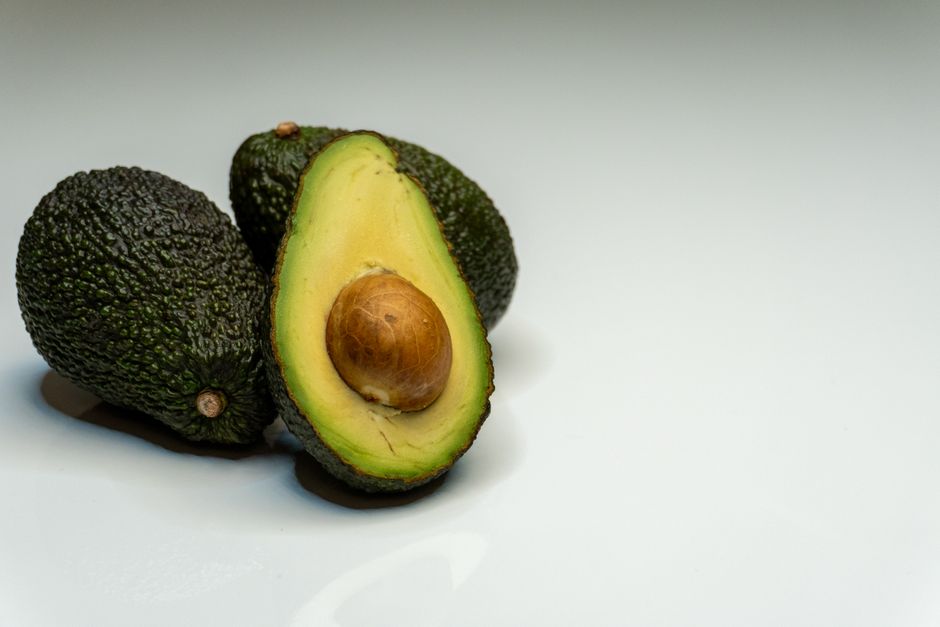
Photo: Mateusz Feliksik via Pexels
This article is for general informational purposes only and does not constitute medical or dietary advice. Always consult a licensed healthcare provider or registered dietitian before making significant changes to your diet, especially if you have a medical condition.