 Dr. Sarah Mitchell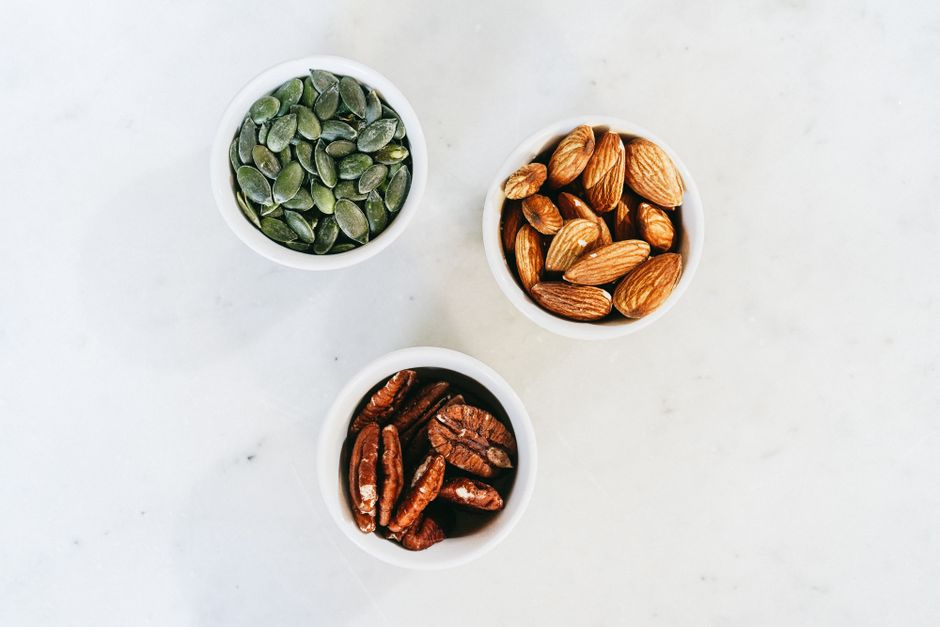
Most articles about keto nuts hand you an alphabetical list with carb counts and call it done. That’s fine as far as it goes, but it skips the stuff that actually matters: which nuts are worth eating regularly versus which ones you should treat like a condiment, why the package serving size is almost always a trap, and how easy it is to eat 40 grams of carbs thinking you’re being careful.
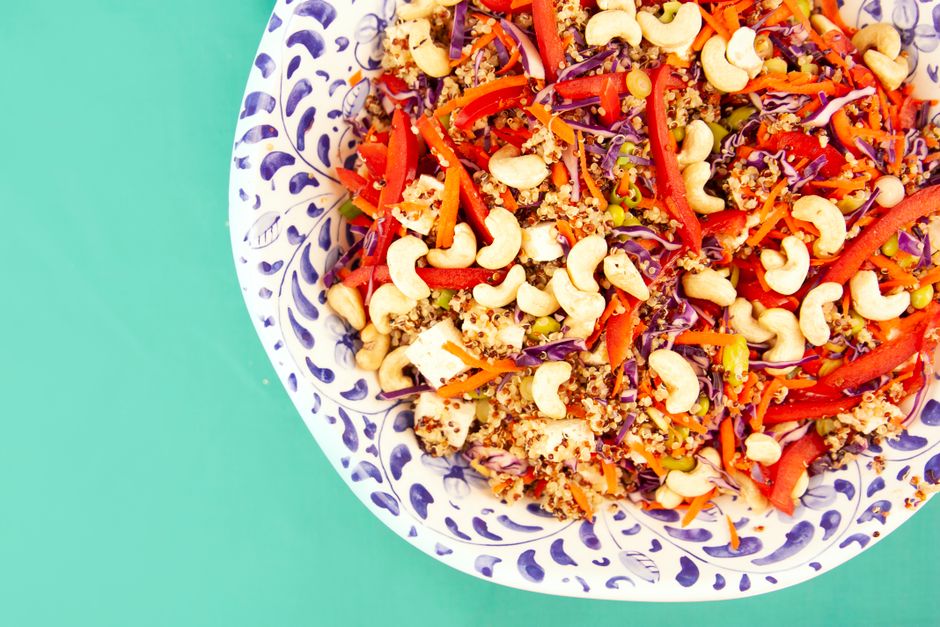
Let me be more specific. A quarter-cup of cashews has roughly 9 grams of net carbs. That’s a meaningful chunk of most people’s daily budget, eaten in about forty-five seconds standing at the kitchen counter. Cashews aren’t poison, but they get marketed as a keto nut because they’re a nut, and that framing is doing a lot of heavy lifting.
The gap between “technically low-carb” and “actually works well for keto” is where most people quietly stall.
The Tier That Actually Earns a Regular Spot
| Nut/Seed | Net Carbs (per ounce) | Best Use | Tier |
|---|---|---|---|
| Pecans | ~1g | Regular snacking | Top |
| Macadamias | ~1.5g | Regular snacking | Top |
| Brazil nuts | ~1.2g | Regular snacking | Top |
| Walnuts | ~2g | Regular snacking | Top |
| Almonds | ~2.5g | Regular snacking | Secondary |
| Hemp seeds | ~1g | Protein supplement, snacking | Top |
| Flaxseeds (ground) | ~0g | Baking, fiber | Top |
| Chia seeds | ~2g | Puddings, liquid-based | Secondary |
| Pine nuts | ~2.7g | Salad topping, pesto | Secondary |
| Pumpkin seeds | ~4g | Accent, not bulk snacking | Middle |
| Sunflower seeds | ~4g | Accent, not bulk snacking | Middle |
| Pistachios | ~5g | Limit/avoid | Problematic |
| Sesame seeds | ~1g (per tablespoon) | Tahini, dressings | Top |
Pecans are the best nut for keto. I’ll say that plainly: about 1 gram of net carbs per ounce, loaded with fat, reasonably satisfying. Macadamias are neck and neck, with about 1.5 grams net per ounce and the highest fat content of any nut. Brazil nuts come in around 1.2 grams net. These three work because the carb count is low enough that normal human portion drift doesn’t wreck you.
Walnuts sit just a step below, around 2 grams net per ounce. The omega-3 fatty acid profile is genuinely good. Almonds clock in around 2.5 grams net, which is manageable but not as forgiving as the top tier. Almonds are fine. They’re just not the free food that keto culture sometimes treats them as.
For seeds: hemp seeds and flaxseeds are standouts. Hemp seeds have about 1 gram net carbs per ounce and a solid protein-to-fat ratio that makes them genuinely useful rather than just decorative. Flaxseeds are nearly zero net carbs because the fiber count is so high, but they need to be ground to actually absorb the nutrients. Whole flaxseeds pass through mostly intact. I’ve told clients this dozens of times and it still surprises people.
Chia seeds deserve their reputation. About 2 grams net per ounce, and they absorb liquid and slow digestion in a way that genuinely reduces post-meal blood sugar spikes. The research on this is consistent. If you’re using them in a chia pudding or stirring them into something liquid, they’re doing real work.
The Middle Ground (Handle With Care)
Pumpkin seeds (pepitas) run about 4 grams net per ounce. Still usable, but you’ll notice the carbs if you’re eating them by the handful. Sunflower seeds are similar. Both are better as an accent than a snack on their own.
Pine nuts: around 2.7 grams net, which is fine, but the calorie density is so high and the volume so small that you can easily overeat without noticing. They work as a salad topping or in pesto. A small bowl of them while you’re working is a different story.
Pistachios are where people get into real trouble. About 5 grams net per ounce, and they come in shells, which creates a false sense of portion control because you’re watching a pile of shells grow. Except you’re also eating fast enough that the shell-pile feedback comes too late. I like pistachios. I also don’t keep them in my house when I’m being strict about carbs.
Why the Serving Size Problem Is Worse Than You Think
Keto Diet: Does It Really Work for Weight Loss? · Doctor O'Donovan on YouTube
Nuts are one of the most calorie-dense foods on the planet, and they’re easy to eat without thinking. A one-ounce serving of almonds is about 23 almonds. Have you ever counted out 23 almonds? Almost no one does. In practice, a “handful” of almonds from a large bag is often closer to 1.5 to 2 ounces, which doubles or triples your carb count before you’ve registered that you’ve snacked.
The fix is annoying but effective: a kitchen scale. Pre-weigh your portions into small containers or bags and don’t eat from the main bag. This sounds like overkill until you realize you’ve been wondering why you’re not losing weight while eating “just a few nuts” three times a day.
Roasted and salted nuts are also worth scrutinizing. Some commercial roasting processes add small amounts of starch or maltodextrin to improve texture or prevent clumping. It’s usually not a lot, but it adds up. Check the ingredient list on anything flavored. Plain roasted, single-ingredient nuts are the cleaner choice.
Seeds as the Underrated Half of This Category
Seeds get less attention than nuts in keto circles, which is a mistake. Pound for pound, they’re often lower in carbs and more nutritionally concentrated. Hemp seeds in particular are one of the few plant foods with a complete amino acid profile, which matters if you’re eating low-carb and not eating a lot of meat.
Flaxseed meal is genuinely useful for keto baking. It acts as a binder, adds fiber, and brings the net carb count of baked goods down considerably. I use it in crackers and as a partial flour substitute. Anthony’s Organic Flaxseed Meal is what I reach for.
Sesame seeds are worth mentioning: about 1 gram net carb per tablespoon, high in calcium, and tahini made from them is one of the more versatile keto pantry staples. It goes into dressings, sauces, and fat bombs without the sweetness that makes some nut butters awkward in savory applications.
On Nut Butters
Sources
- a kitchen scale
- Anthony’s Organic Flaxseed Meal
- AI25.Studio Studio
- on this is consistent
Most of the same logic applies, with one additional complication: additives. Natural almond or peanut butter (two ingredients: nuts, maybe salt) is fine. The commercial “natural” versions that have added sugar, palm oil, or honey are not keto-friendly in any meaningful quantity, regardless of what the packaging implies.
Peanut butter is technically a legume butter, not a nut butter, which keto purists sometimes use to argue against it. I find this argument uncompelling. About 4 grams net carbs per 2 tablespoons, good fat content, cheap, widely available. If it fits your macros, it fits your macros.
Macadamia nut butter is the cleanest option carb-wise, but it runs about $15 for a small jar, which limits how freely you can use it. Almond butter is a reasonable middle ground most of the time.
Nuts and seeds are genuinely useful on keto. They’re also the category where portion discipline matters most, because the gap between a smart snack and a carb overrun is about forty-five seconds of inattention. Pick the lower-carb varieties, weigh your portions at least occasionally, and be skeptical of anything that comes in a flavored bag with a keto badge on the front.
Photo: AI25.Studio Studio via Pexels
This article is for general informational purposes only and does not constitute medical or dietary advice. Always consult a licensed healthcare provider or registered dietitian before making significant changes to your diet, especially if you have a medical condition.