 Ryan Park
Most people who quit keto in the first two weeks don’t fail because the diet is too hard. They fail because they had no plan. They opened the fridge on Monday morning, stared at a block of cheese and some leftover chicken, and had no idea what came next. Sound familiar? A solid beginner meal plan fixes that problem before it starts.
Why Your First Two Weeks on Keto Are Different From Everything After
The first 14 days on keto are genuinely unlike any other phase of the diet. Your body is going through a metabolic shift, transitioning from burning glucose to burning fat for fuel. That process takes time, usually between 2 and 7 days to enter full ketosis depending on your activity level, how many carbs you were eating before, and your individual metabolism. You can read more about the timeline in our guide on how long it takes to enter ketosis.
During this window, you’ll likely feel some combination of fatigue, brain fog, headaches, and irritability. This is sometimes called the “keto flu,” and it’s mostly caused by your body flushing water and electrolytes as glycogen stores drop. It’s uncomfortable but temporary. The fix isn’t to eat more carbs. It’s to stay hydrated, salt your food generously, and get enough potassium and magnesium. Our dedicated guide on electrolytes on keto goes deep on this if you want specifics.
The real reason a meal plan matters so much in this phase: decision fatigue is brutal. When you’re tired and your head hurts and you’re used to grabbing a sandwich or a bowl of pasta, having a pre-made list of what to eat removes the guesswork entirely. You don’t have to think. You just follow it.
The Macro Framework: What You’re Actually Eating
| Macro | Percentage of Daily Calories | Example (1,800 cal/day) |
|---|---|---|
| Fat | 70-75% | 140-150g |
| Protein | 20-25% | 90-110g |
| Net Carbs | 5-10% | 20-25g |
Before we get to specific meals, let’s be clear about the numbers.
- Fat: 70-75% of daily calories
- Protein: 20-25% of daily calories
- Net carbs: 5-10% of daily calories, usually capped at 20-25g per day for beginners
For someone eating 1,800 calories a day, that translates to roughly 140-150g of fat, 90-110g of protein, and 20-25g of net carbs. Net carbs are calculated by subtracting fiber from total carbohydrates, since fiber doesn’t spike blood sugar.
You don’t need to obsess over these numbers from day one, but having a rough sense of them helps you evaluate whether a meal fits. A cup of full-fat Greek yogurt has about 9g of net carbs. Fine for some people’s limits, not for others. Two eggs scrambled in butter? About 1g of net carbs. Basically free.
If you want a complete breakdown of what belongs on your plate, our keto diet food list is a good reference to bookmark.
A Full 7-Day Beginner Keto Meal Plan
Full Beginner Keto Meal Plan: Exactly What to Eat · Thomas DeLauer on YouTube
This plan is designed for simplicity. Meals repeat a couple of times to reduce grocery trips and cooking time. Net carbs are kept at or below 20g per day to give you the best shot at entering ketosis quickly.
| Day | Breakfast | Lunch | Dinner |
|---|---|---|---|
| Monday | 3 eggs scrambled in butter, 2 strips bacon | Tuna salad in lettuce wraps with mayo | Ground beef and broccoli stir-fry in olive oil |
| Tuesday | Full-fat Greek yogurt with a handful of pecans | Leftover beef and broccoli | Baked chicken thighs with roasted zucchini |
| Wednesday | 3-egg omelet with cheddar and spinach | Chicken thigh with avocado and olive oil | Salmon fillet with asparagus and butter |
| Thursday | Bulletproof coffee + 2 hard-boiled eggs | Salmon salad with mixed greens and ranch | Pork belly with sautéed green beans |
| Friday | Bacon and eggs (your choice of prep) | BLT salad with bacon, tomato, avocado, mayo | Ribeye steak with mushrooms in butter |
| Saturday | Keto pancakes (almond flour, eggs, cream cheese) | Leftover ribeye sliced over arugula | Baked chicken legs with cauliflower mash |
| Sunday | Denver scramble (eggs, ham, peppers, cheddar) | Ground beef stuffed bell peppers (half pepper) | Slow cooker pulled pork with coleslaw (no sugar) |
Snacks throughout the week: string cheese, hard-boiled eggs, a small handful of macadamia nuts, cucumber slices with cream cheese, or pepperoni slices.
A kitchen scale is genuinely worth having during the first few weeks. When you’re not sure whether a portion of nuts fits your carb budget, weighing it out removes the guesswork. This food scale on Amazon (affiliate link) is accurate and affordable.
How to Build Your Keto Shopping List
The meal plan above uses a fairly short list of ingredients, which is intentional.
Proteins:
- Eggs (buy 2-3 dozen, you’ll use them constantly)
- Bacon
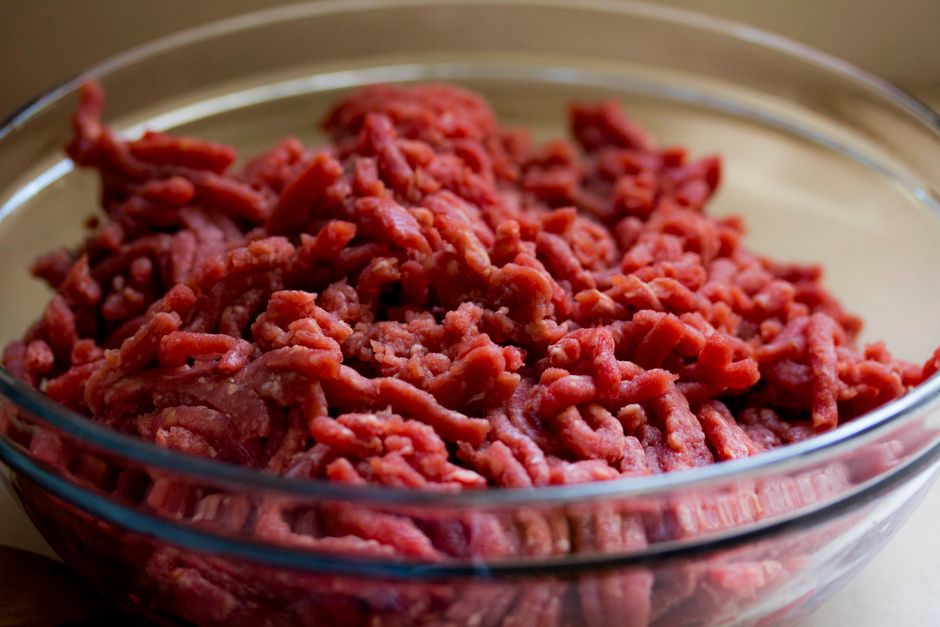
- Ground beef (80/20 fat ratio is ideal)
- Chicken thighs and legs (fattier than breasts, more satisfying)
- Salmon fillet or canned tuna
- Pork belly or pork shoulder
- Ribeye or other fatty cut of beef
Fats:
- Butter (real butter, not margarine)
- Olive oil
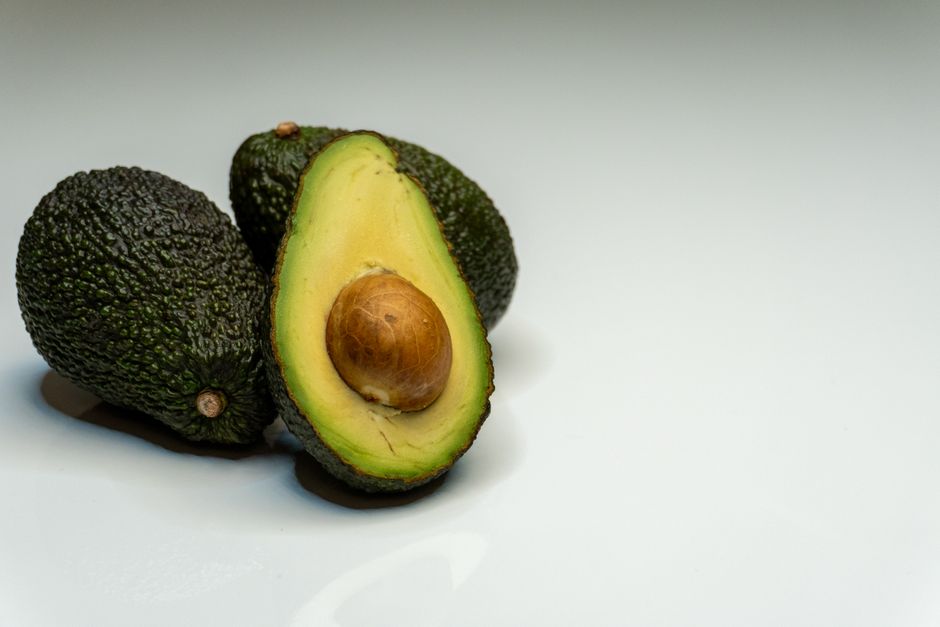
- Avocados
- Full-fat mayo
- Cream cheese
- Heavy whipping cream
Vegetables (low-carb):
- Broccoli
- Zucchini
- Asparagus
- Spinach
- Mixed greens
- Cauliflower
- Green beans
- Mushrooms
- Bell peppers (use sparingly, about 4g net carbs per half)
Dairy:
- Cheddar cheese
- Full-fat Greek yogurt (small amounts)
- Parmesan for topping
Pantry staples:
- Salt (use more than you think you need)
- Almond flour
- Ranch dressing (check the label for added sugar)
- Coleslaw mix (plain cabbage shreds, no dressing included)
One of the most common beginner mistakes is buying “low carb” products that are actually full of hidden sugars. Barbecue sauce, salad dressings, marinades, and flavored yogurts are common traps. Read every label. If sugar, corn syrup, or maltodextrin appears in the first five ingredients, skip it.
If you want a more exhaustive list of what’s safe to eat and what isn’t, check out our rundowns on foods allowed on keto and foods to avoid on keto.
Meal Prep Tips That Make the Week Survivable
The difference between people who stick to keto and people who don’t often comes down to one Sunday afternoon. Spending 90 minutes prepping at the start of the week removes most of the friction that leads to caving on Wednesday night.
Here’s a practical prep routine for beginners:
Step 1: Hard-boil a batch of eggs. 8-10 eggs. They keep in the fridge for a week and work as breakfast, a snack, or a protein add-on to any meal.
Step 2: Cook your ground beef. Brown 2 pounds with salt and garlic. It reheats in minutes and goes into multiple meals across the week.
Step 3: Roast a sheet pan of vegetables. Broccoli, zucchini, and asparagus all roast well at 400°F with olive oil and salt. Takes 20 minutes. Have them ready to pair with any protein.
Step 4: Make a simple coleslaw. Shred cabbage, mix with mayo, a little apple cider vinegar, salt, and pepper. It keeps for 4 days and pairs with pork, chicken, or fish.
Step 5: Pre-portion your snacks. Put nuts into small containers or bags. Slice up a block of cheese. Having grab-and-go options stops you from reaching for something off-plan when hunger hits unexpectedly.
Good meal prep containers make a real difference. Glass containers with locking lids (affiliate link) stack well in the fridge and don’t absorb food odors over time.
Common Beginner Mistakes and How to Avoid Them
Sources
Eating too much protein and not enough fat. Keto is not a high-protein diet. Excess protein can convert to glucose through gluconeogenesis, potentially slowing your path into ketosis. Prioritize fatty cuts of meat, cook in butter, and add avocado.
Fear of salt. When you cut carbs, your kidneys excrete sodium at a higher rate. Under-salting your food is one of the main causes of keto flu symptoms. Salt your food to taste, and consider adding a pinch of salt to your water if headaches persist.
Treating keto like a low-calorie diet simultaneously. Slashing both carbs and calories at the same time is a fast track to exhaustion and cravings. Let your fat intake stay high, especially in the first month.
Forgetting about hidden carbs in sauces and drinks. A tablespoon of ketchup has 4g of net carbs. A flavored latte can have 30g. Sparkling water, black coffee, and unsweetened tea are your best options.
Not tracking at first. You don’t have to track forever, but for the first two weeks, tracking what you eat in an app like Cronometer or Carb Manager gives you a reality check. Most people are shocked to discover they were eating 40-50g of carbs thinking they were under 20g.
Starting keto doesn’t require a nutrition degree or a pantry full of specialty products. It requires a clear plan, a little prep work, and the willingness to push through the first week when things feel uncomfortable. Follow the meal plan above, salt your food, stay hydrated, and give your body the two weeks it needs to adapt. Most people who get through that window are genuinely surprised by how good they feel on the other side.