 Ryan Park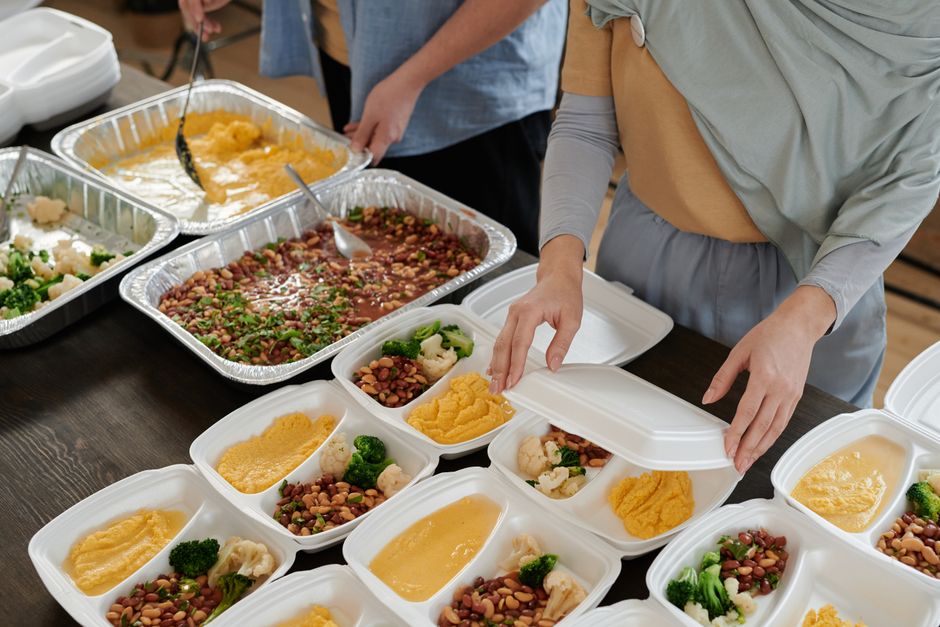
Fifteen hundred calories on keto isn’t some magic number, but it’s close to where a lot of people actually land when they’re losing weight steadily without feeling like they’re starving. If you’ve been bouncing between “eat less” advice that leaves you miserable and keto plans that feel like a butter-fueled free-for-all, you might be wondering if there’s a middle ground that actually works. There is. And it’s more straightforward than most meal-plan articles make it sound.
Let me be honest about where most people are when they find this article. You’ve probably already tried keto once, or you’re on it now and not seeing the results you expected. You’re eating fat, keeping carbs low, and still not losing weight the way you thought you would. Or you’ve lost some weight but you’re not sure if you’re eating too much, too little, or something in between. Calories on keto are a real variable, even if a lot of keto influencers would rather not talk about it.
Here’s what I tell people in that situation: keto changes your hormonal environment in ways that genuinely make it easier to eat less without suffering. But “easier” doesn’t mean automatic. At 1,500 calories, most women with moderate activity levels will lose weight consistently. Most men will too, though some larger or more active guys need to sit closer to 1,800-2,000 to avoid the kind of fatigue that makes the whole thing unsustainable. Know which category you’re in before you commit to a number.
Why 1,500 Calories Works Differently on Keto Than on Other Diets
On a standard low-fat diet, 1,500 calories often means constant hunger. You’re eating a lot of volume, blood sugar is swinging, and your body is fighting you every step of the way. On keto, 1,500 calories feels different because fat and protein are highly satiating, and ketosis itself has an appetite-suppressing effect that’s well-documented. A 2021 study published in Obesity Reviews looked at 14 randomized controlled trials and found that ketogenic diets reduced appetite significantly more than low-fat diets matched for calories, an effect the researchers attributed to changes in ghrelin and other hunger hormones.
That’s not just theory. In my experience working with clients, the first week is tough because the body is adapting. But by week three, most people tell me they’re surprised they’re not hungrier. A few tell me they actually have to remind themselves to eat, which is almost unheard of on a calorie-restricted low-fat plan.
The catch is that you still need to be paying attention to what you’re eating. Fat is calorie-dense: 9 calories per gram versus 4 for protein and carbs. It’s genuinely easy to eat 2,200+ keto calories thinking you’re being reasonable, especially if you’re adding tablespoons of olive oil to everything, eating a handful of macadamia nuts absentmindedly, or using heavy cream in your coffee twice a day. I made this mistake myself in my first extended stint on keto. I was doing everything “right” by keto rules and wondering why the scale wasn’t moving. Turned out I was averaging around 2,100 calories without realizing it. Tracking for two weeks fixed that faster than any other adjustment.
What a Real 1,500-Calorie Keto Day Looks Like
| Scenario | Age | Height | Weight | Activity Level | Starting Calories | Adjusted Calories | Duration | Weight Lost | Notes |
|---|---|---|---|---|---|---|---|---|---|
| Woman A | 38 | 5'4" | 185 lbs | Sedentary office | 1,800 | 1,500 | 8 weeks | 11 lbs | No hunger after week two |
| Man B | 45 | 5'10" | 210 lbs | 30 min daily walk | 1,500 | 1,750 | 6 weeks | 8 lbs | Fatigue resolved at higher calories |
| Woman A (plateau) | 38 | 5'4" | 185 lbs | Sedentary office | 1,500 | 1,500 | 3 weeks → resumed loss | - | Untracked almond butter identified and removed |
The macro split I’d recommend for most people at 1,500 calories: roughly 110-120g fat, 90-100g protein, and 20-25g net carbs. That’s about 65-70% fat, 25% protein, 5-10% carbs. Protein on the lower end can work for lighter individuals; bump it closer to 110-120g if you’re active or over 170 lbs.
Here’s a concrete day that hits those numbers without requiring gourmet cooking:
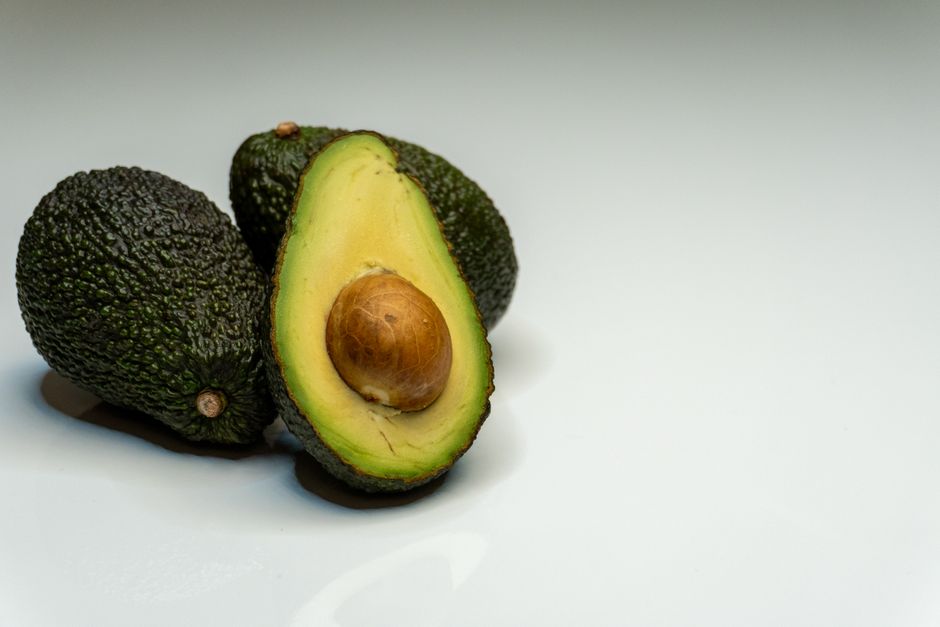
Breakfast (around 450 calories): Three eggs scrambled in a tablespoon of butter, two strips of bacon, half an avocado. That’s roughly 35g fat, 28g protein, 3g net carbs. Straightforward, fast, filling.
Lunch (around 450 calories): Large salad (romaine, cucumber, a few olives, cherry tomatoes) with 4oz canned wild salmon or grilled chicken, two tablespoons of olive oil and red wine vinegar dressing. About 30g fat, 32g protein, 6g net carbs.
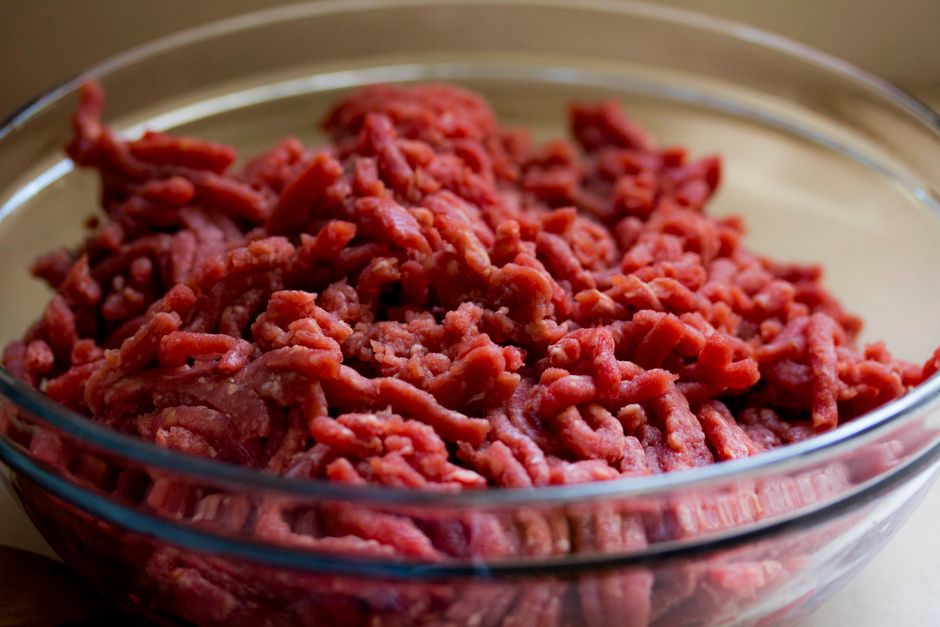
Dinner (around 500 calories): 5oz ground beef (80/20) cooked with garlic and spinach, with half a cup of cauliflower rice and a tablespoon of ghee. Around 38g fat, 34g protein, 5g net carbs.
Small buffer (about 100 calories): An ounce of cheddar cheese or a small handful (about 15) of macadamia nuts. This leaves room for variability without blowing your numbers.
Total: approximately 1,500 calories, 103g fat, 94g protein, 20g net carbs. Not perfect, but close enough that your body doesn’t know the difference.
A few worked examples from clients I’ve advised:
Scenario: A 38-year-old woman, 5'4", 185 lbs, sedentary office job, previous low-fat diets. Started keto at roughly 1,800 calories, wasn’t losing. Dropped to 1,500 using a framework like the one above. Used a kitchen scale (I recommend the OXO Good Grips 11-pound scale, around $50 on Amazon) to weigh meat and fats for the first month. Result: lost 11 lbs over 8 weeks, with no reported hunger issues after week two.
Scenario: A 45-year-old man, 5'10", 210 lbs, walks 30 minutes daily. Tried 1,500 calories keto and felt fatigued and irritable by day five. Raised calories to 1,750, kept the same macro ratios. Result: fatigue resolved within three days, lost 8 lbs over 6 weeks, far more sustainably.
Scenario: Same woman from scenario one, six months in. Hit a three-week plateau. Reviewed her food log. Discovered she’d gradually added an extra tablespoon of almond butter daily (roughly 100 extra calories per day, 2,100 extra calories over three weeks). Removed it. Scale started moving again within 10 days.
The Electrolyte Problem Nobody Talks About Enough
1,200 Calorie Keto Meal Plan: Full 14 Day Menu · Trifecta on YouTube
At 1,500 calories, especially in the first month, electrolytes become critical. Keto causes your kidneys to excrete sodium at a higher rate, which pulls magnesium and potassium with it. The fatigue, headaches, and muscle cramps people blame on “keto flu” are, in my experience, almost always electrolyte depletion. Not some inherent flaw in the diet.
Here’s what I tell people: add 2,000-3,000mg of sodium daily, either through salted food or a supplement like LMNT (about $45 for 30 packets, available on Amazon, and the site may earn a commission on purchases). Add 300-400mg of magnesium glycinate at night (it also helps sleep). Potassium you can often cover through food if you’re eating avocado, leafy greens, and salmon regularly, but some people need a supplement.
At 1,500 calories, there’s less room for error because you’re eating less food overall. Every bite matters a bit more nutritionally. I don’t say that to be alarming; I say it because it’s the one area where people on lower-calorie keto consistently underdo it.
Tracking, Tools, and When to Stop Obsessing
You’ll want to track closely for the first four to six weeks. Cronometer is my preferred app for keto because it shows net carbs (not just total carbs) and has better micronutrient tracking than MyFitnessPal. It’s free for the basic version.
After six weeks, most people have a solid intuitive sense of their portions and can relax the tracking. I don’t think permanent calorie counting is healthy or necessary for most people. The goal is to internalize what a 1,500-calorie keto day feels like, then trust your appetite to maintain it.
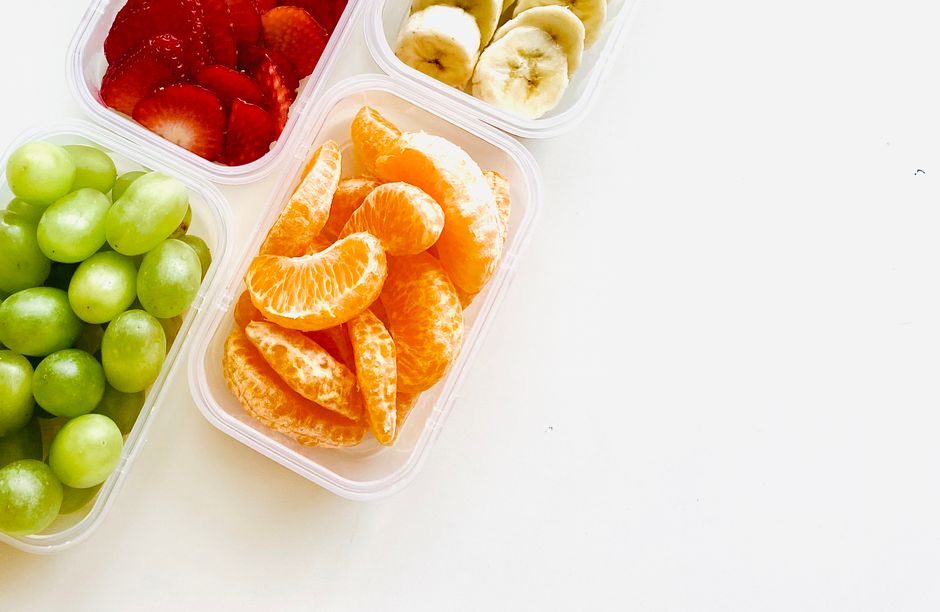
Meal prep makes everything easier at this calorie level. If you don’t have portioned food ready, hunger hits and you make hasty decisions that are hard to track accurately. A set of glass meal prep containers (the Pyrex Simply Store 18-piece set runs about $35 on Amazon) goes a long way. Prepping proteins and fats on Sunday can cover most of your weekday meals.
As of July 2026, there are a lot of packaged keto products on the market claiming to make your life easier. Honestly, most of them are overpriced and unnecessary. Whole foods will always serve you better at this calorie level, where every gram needs to earn its place.
Sources
- Obesity Reviews (2021): Meta-analysis of 14 RCTs examining appetite-suppressing effects of ketogenic versus low-fat diets, specifically changes in ghrelin and satiety hormones
- Volek JS, Phinney SD. The Art and Science of Low Carbohydrate Living (2011): Foundational reference on ketogenic physiology, electrolyte management, and protein targets
- Westman EC et al., JAMA Internal Medicine (2004): Early landmark clinical trial on ketogenic diet outcomes versus low-fat diets for weight loss and metabolic markers
- National Academy of Medicine Dietary Reference Intakes: Reference ranges for sodium, potassium, and magnesium used to derive electrolyte recommendations
- Cronometer nutritional database: Used for verifying macro and micronutrient values cited in sample meal day
Photo: Julia M Cameron via Pexels
This article is for general informational purposes only and does not constitute medical or dietary advice. Always consult a licensed healthcare provider or registered dietitian before making significant changes to your diet, especially if you have a medical condition.