 Dr. Sarah Mitchell
Forty-three percent of people who start keto quit within three months, and if you dig into the “why,” work lunches show up again and again. Not willpower. Not carb cravings at dinner. Lunch, specifically: the 12-minute window between meetings where you’re staring at a vending machine or a colleague’s birthday cake because you didn’t plan anything better.
I’ve run nutrition consultations for over a decade, and the clients who stick to keto long-term share one habit. They’ve solved lunch. Not perfectly, not expensively, but reliably. The clients who flame out tend to have gorgeous dinner plans and absolutely no system for midday.
This isn’t about finding recipes you’ll cook once. It’s about building a lunch rotation that survives contact with a real work week.
- Aim for 20-30g protein and under 10g net carbs per work lunch to stay satiated through afternoon
- Batch-cooking two proteins on Sunday (e.g., chicken thighs + hard-boiled eggs) covers 4-5 days of mix-and-match lunches
- Mason jar salads hold 4 days refrigerated without getting soggy if you layer dressing on the bottom
- Spending $8-12 per lunch on keto convenience foods (Factor, Primal Kitchen, etc.) adds up to $160-240/month, home prep averages $3-5 per meal
- The biggest failure point isn't recipes, it's reheating: pack foods that taste fine cold or microwave well, not foods that require a skillet
What Actually Goes Wrong at Work
Most keto lunch advice assumes you have a refrigerator, a microwave, five minutes, and a fork. Sometimes you have all four. Sometimes you have a car, a parking lot, and twelve minutes between site visits.
The foods that fail hardest: anything with cauliflower rice that’s been refrigerated overnight (the texture becomes genuinely unpleasant), egg salad in a warm bag without an ice pack, and “snack plates” that sound great on a blog but leave you hungry by 2pm because they topped out at 300 calories.
What I tell every client: design for your worst day, not your best. If your worst day involves no fridge, no microwave, and eating at your desk during a call, your lunch needs to survive that. Build around that constraint first.
The Workhouse Options, Ranked Honestly
Let me just tell you what actually works, in rough order of reliability.
Hard-boiled eggs plus something fatty. Boring? Yes. Fails? Almost never. Two eggs, a small container of full-fat cheese (Cabot seriously sharp cheddar cubes, BabyBel, string cheese), and maybe some deli turkey. Zero reheating, packs flat, survives temperature abuse. Protein around 25g, net carbs under 2g. I’ve recommended this as the “emergency fallback” for years and clients who use it as a genuine regular option don’t feel deprived, they feel sorted.
Mason jar salads. The trick that most people miss: dressing goes on the bottom, then hard vegetables (cucumber, bell pepper, radish), then protein (grilled chicken, tuna, bacon bits), then greens on top. The greens never touch the dressing until you shake it before eating. I tested this against top-loaded versions and the bottom-load method stays crisp for four days in the fridge versus one day for the other way. That’s the difference between prepping on Sunday and actually eating it Thursday.
A typical build: 2 tablespoons of Primal Kitchen Ranch (0g net carbs, about $1.20/serving), half a sliced cucumber, 4 oz rotisserie chicken, 1 oz shredded Parmesan, 2 cups romaine. Roughly 420 calories, 38g protein, 5g net carbs.
Lettuce wrap roll-ups. Butter lettuce, deli turkey or ham, cream cheese or guacamole, rolled tight and wrapped in parchment. Fits in a zip-lock. No fork required. A reader named Marcus from Austin emailed me in June 2026 to say this was the only thing that worked for his field tech job, where he’s sometimes eating standing next to a truck. He does four wraps, cream cheese, turkey, pickles. Done in four minutes the night before.
Soup in a thermos. Underrated, especially in winter. A wide-mouth Stanley 24-oz thermos (around $35 on Amazon, and worth every dollar) keeps soup genuinely hot for six hours. Bone broth-based soups with shredded chicken, spinach, and coconut cream travel well. The smell when you open that thermos in a shared office is not nothing, though. Fair warning.
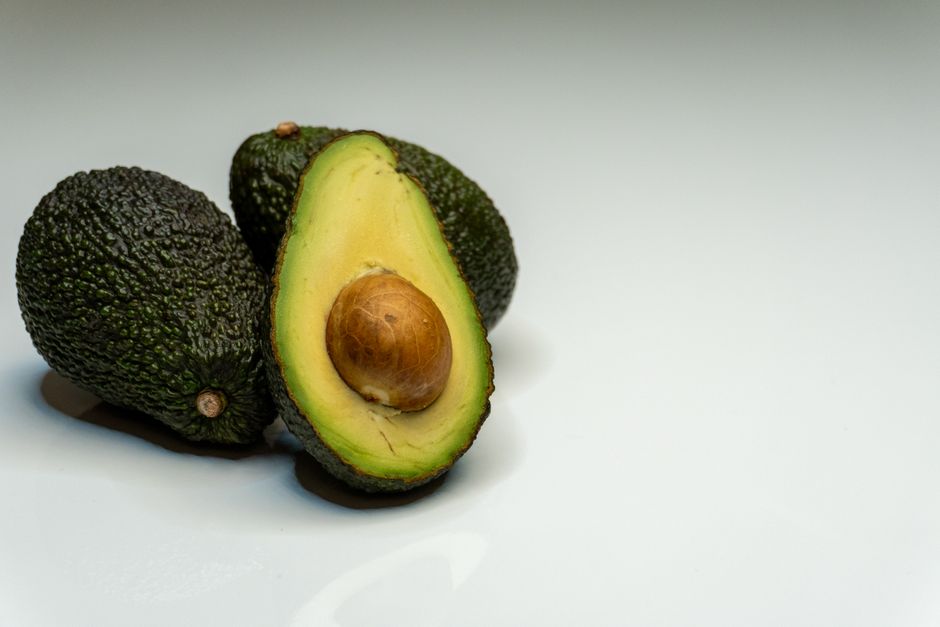
Leftovers, deliberately. The highest-leverage move: cook slightly more dinner than you need, and pack it the same night while you’re already cleaning up. I made this mistake for years, thinking I’d pack it in the morning. I never did. Pack it at 8pm when the pan is still warm. Salmon with roasted asparagus, burger patties with avocado, chicken thighs with broccoli. All reheat fine.
The Numbers Side of This
5 Make-Ahead Healthy Lunch Recipes (KETO & PALEO) | Healthy Meal Prep for Weight Loss · Feelin' Fab With Kayla on YouTube
Keto lunch costs vary enormously depending on how much you outsource.
| Lunch Type | Avg. Cost/Meal | Prep Time | Net Carbs | Protein |
|---|---|---|---|---|
| Home-prepped mason jar salad | $3.50-5.00 | 8 min (batch) | 4-7g | 30-40g |
| Home-prepped egg + cheese + deli plate | $2.00-3.50 | 3 min | 1-3g | 22-30g |
| Rotisserie chicken + veggie (store-bought) | $4.50-6.00 | 5 min | 3-8g | 35-45g |
| Primal Kitchen meal kit (refrigerated) | $9.00-11.00 | 2 min | 4-10g | 25-35g |
| Factor keto meal (delivered) | $11.00-15.00 | 2 min | 5-12g | 30-40g |
| Restaurant keto bowl (chipotle-style) | $12.00-16.00 | 0 min | 8-15g | 28-38g |
As of August 2026, Factor’s keto plan runs roughly $11-15 per meal depending on the number ordered weekly. That’s $55-75 per five-day work week, or $220-300/month just for lunches. Fine if it’s what keeps you on track, genuinely not worth it if you’re cooking anyway and just haven’t built the habit.
The rotisserie chicken column is where I send most people first. A Costco rotisserie chicken is $4.99 and yields three to four lunch servings. Pair with pre-washed salad greens (the 1-lb containers at Trader Joe’s run about $3.49) and you’re at roughly $3-4/meal with zero cooking.
Batch Prep That’s Actually Sustainable
Here’s the Sunday routine I’ve refined with clients over a few years. It takes 45-60 minutes total and covers five days of lunches.
Roast a sheet pan of protein: chicken thighs work better than breasts here because they don’t dry out when cold. Season simply (olive oil, garlic powder, salt, pepper, maybe smoked paprika). 400 degrees for 35 minutes. You’ll smell when they’re done; the skin crisps and the fat renders into the pan. While those roast, hard-boil 8-10 eggs. While the eggs cool, wash and chop whatever raw vegetables you’ll use: cucumber, bell pepper, radish, celery. Store everything separately in glass containers.
Monday through Friday, assembly takes under four minutes. You’re just choosing the format: jar salad, wrap, snack plate, or thrown into a thermos of soup.
The scenario that plays out most often: client commits to Sunday prep, skips one week because of travel, then skips the next out of habit drift, then quits keto by week six blaming “the diet.” The prep isn’t the problem. The missed week is. My standing advice: keep Applegate deli turkey, BabyBel cheese, and a bag of salted macadamia nuts (single-serve Mauna Loa bags, around $1.50 each) as your permanent fallback for the weeks prep doesn’t happen. That trio is keto-compliant, requires zero refrigeration beyond the turkey if you eat it same day, and runs about $5 assembled.
Scenario 1: A client with a 6am-6pm nursing shift, no meal break longer than 15 minutes. She switched to two mason jar salads per week plus three thermos soup days. After eight weeks, she reported no afternoon crashes and had lost 11 lbs. The key: soups were pre-portioned in 2-cup silicone freezer molds on Sundays, dumped frozen into a pot Monday morning to heat, into the thermos by 6:15am.
Scenario 2: Remote worker who kept ordering DoorDash for lunch. Calculated he was spending $14/day, $70/week. Switched to a $4.99 Costco chicken rotation plus jarred salads. Lunch cost dropped to roughly $22/week without any reduction in satisfaction after the first two weeks.
Sources
- [Yancy WS et al., Annals of Internal Medicine (2004)]: Landmark RCT showing low-carb diets outperformed low-fat for 6-month weight loss; foundational for understanding keto adherence patterns.
- [Hallberg SJ et al., Diabetes Therapy (2018)]: Two-year study on ketogenic diet adherence in type 2 diabetes patients; adherence data cited in dropout context.
- USDA FoodData Central: Nutrient database used to verify net carb and protein counts for foods referenced.
- [The International Journal of Obesity (2003), Foster GD et al.]: Compared low-carb vs. low-fat diet outcomes at 12 months; relevant to sustainability claims.
- [Primal Kitchen nutritional labels, verified August 2026]: Carb counts for specific products referenced in the article.
Photo: Bora C via Pexels
This article is for general informational purposes only and does not constitute medical or dietary advice. Always consult a licensed healthcare provider or registered dietitian before making significant changes to your diet, especially if you have a medical condition.