 Ryan Park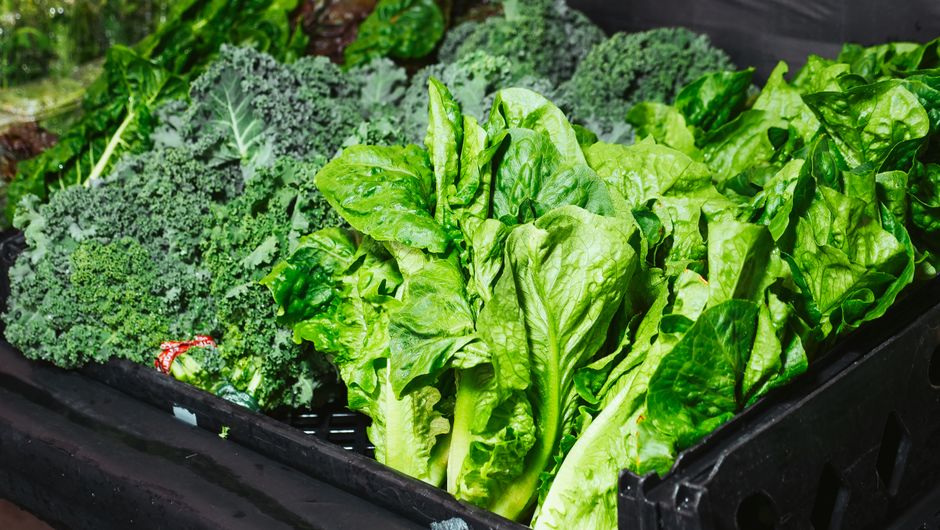
Most people doing keto stress way too much about hitting their fat macros and not nearly enough about their vegetables. I get it. The diet is called ketogenic, not “eat your greens,” and the early days are usually spent figuring out how to survive without bread. But after working with hundreds of clients over the years, I’ll tell you plainly: the people who struggle with keto long-term, the ones who feel flat, constipated, and foggy after the first few weeks, are almost always the ones skipping their leafy greens.
So let’s get into what actually matters here.
Why Leafy Greens Belong at the Center of a Keto Plate
Here’s the thing most keto content glosses over. Leafy greens are not just “allowed” on keto. They’re genuinely load-bearing. Most of them clock in at 1 to 3 grams of net carbs per cup, which means you can eat a substantial amount without touching your carb ceiling. But the carb count is almost beside the point.
What surprised me, when I started looking at the actual nutrient data on clients who did long-term keto without vegetables, was the pattern of deficiencies that showed up. Magnesium, potassium, folate, vitamin K. These aren’t exotic micronutrients. They’re the ones responsible for muscle function, electrolyte balance, and DNA repair. When people complain about leg cramps on keto, the first question I ask isn’t “are you taking electrolytes?” It’s “how much are you eating?”
Dr. Sarah Hallberg, a physician and researcher who spent years running clinical low-carb programs before her passing in 2022, was explicit about this in her public lectures: “Vegetables are not optional on a well-formulated ketogenic diet. They provide the micronutrients and fiber your body needs to sustain this eating pattern without harm.” That framing, “well-formulated,” is doing a lot of work. The research on keto’s benefits almost always comes from trials using versions of the diet that include non-starchy vegetables. The carnivore-adjacent “meat and cheese only” approach is a different experiment with a much thinner evidence base.
I’ll be honest: the research on optimal vegetable intake for keto specifically is pretty thin. Most of the larger studies don’t separate out vegetable consumption as a variable. What we have is good mechanistic reasoning and some strong observational data. That’s not nothing, but it’s not a randomized controlled trial, either.
Try swapping your side salad for a full 3-cup base of mixed greens and track how your energy and digestion shift over two weeks, then check out our low-carb meal planning guide for building this into your weekly routine.
The Greens Worth Prioritizing (And a Few That Fool People)
| Leafy Green | Net Carbs (per cup) | Key Nutrients | Best Use Case |
|---|---|---|---|
| Spinach (raw) | 1g | Magnesium (24mg), folate, potassium | Nutrient density; rotate to manage oxalates |
| Kale (cooked) | ~1g | Vitamin K1 (several times daily adequate intake) | K1 supplementation; monitor consistency if on warfarin |
| Arugula | 1-2g | Glucosinolates, anti-inflammatory compounds | Peppery flavor; pairs with fatty dressings |
| Watercress | 1-2g | Glucosinolates, anti-inflammatory compounds | Peppery flavor; pairs with fatty dressings |
| Swiss Chard (cooked) | ~1g | General micronutrients | Higher volume meals |
| Collard Greens (cooked) | ~1g | General micronutrients | Higher volume meals; absorbs fat well |
| Pea Shoots | 2-3g | General micronutrients | Safe for keto |
| Green Peas (actual) | 14g | Higher carb legume | Avoid on keto |
Not all leafy greens are identical. There’s a meaningful difference between eating arugula and eating, say, a bag of iceberg lettuce, even though both will keep you in ketosis.
Spinach is probably the most nutrient-dense option per gram. It’s high in magnesium (24mg per raw cup, more when cooked and volume-reduced), folate, and potassium. The oxalate issue is real but overblown for most people. If you have a history of calcium oxalate kidney stones, talk to a dietitian before going heavy on raw spinach every day. Otherwise, rotating it with other greens handles the concern easily.
Kale is overhyped in the wellness world but genuinely useful here. The vitamin K1 content is exceptional, which matters if you’re not eating a lot of liver or fermented foods. One cooked cup gives you several times the daily adequate intake for K1. Just note: if you’re on warfarin, consistent kale intake is fine, but don’t swing wildly in how much you eat week to week, because it can affect INR stability.
Arugula and watercress are the underrated workhorses. Both are peppery, both pair well with fatty dressings (which you’ll be using on keto anyway), and both contain glucosinolates, compounds with solid anti-inflammatory and potentially anti-cancer properties according to a 2020 review published in Nutrients (Kaczmarek et al., “Glucosinolates and Their Breakdown Products in Food and Human Health,” Nutrients 2020;12(10):3023). The evidence on glucosinolates in humans is still developing, but I’d rather have them in the diet than not.
Swiss chard and collard greens are where I often point clients who want higher volume meals. Collards especially cook down dramatically and absorb fat beautifully, which makes them genuinely satisfying. Net carbs: about 1 gram per cooked cup for collards. That’s essentially free in keto terms.
The one that fools people: peas and pea shoots. Pea shoots are usually fine (2-3g net carbs per cup), but actual green peas are a starchy legume and will run you about 14 grams of net carbs per cup. Don’t let the “green vegetable” framing mislead you there.
Get a kitchen scale like the OXO Good Grips 11-pound model (around $50, and the site may earn a commission) so you can actually weigh your greens rather than estimating cups, which turns out to be wildly inconsistent in practice.
How Much to Actually Eat
This is where I’ll give you a concrete answer instead of a hedge. Most keto protocols target 20 to 50 grams of net carbs per day. A well-structured keto plate should have at least 2 to 3 cups of non-starchy greens daily. That’ll typically cost you 4 to 8 grams of net carbs depending on the mix. Completely manageable. For clients I work with at the stricter 20-gram end, I usually suggest they allocate 6 to 8 of those grams specifically to greens, and then work backward from there on other carb sources like nuts or dairy.
Here are a few scenarios based on patterns I’ve seen repeatedly:
Client working strict keto for epilepsy management (20g net carb limit) → Added 2 cups cooked spinach and 1 cup arugula daily, cooked in olive oil → Brought magnesium intake from ~140mg/day to ~320mg/day, which resolved nighttime cramps within 10 days without adding a separate supplement.
Client eating “lazy keto” averaging 40g net carbs, complained of constant fatigue → Replaced processed keto snack bars (averaging 8g net carbs each, two per day) with a large wilted kale and olive oil side dish → Net carbs stayed similar, but potassium and folate intake doubled, energy improved noticeably by week three.
New keto adopter trying to avoid vegetables entirely, following a strict carnivore-adjacent approach for 60 days → Developed significant constipation and came back with borderline low serum magnesium → Reintroducing 3 cups mixed greens daily resolved constipation within one week and brought magnesium levels back into normal range at the next blood draw.
The pattern is consistent. Greens punch above their carb weight.
Build a simple weekly rotation of four or five greens to prevent palate fatigue, and start with our keto-friendly grocery list to map out your first week.
The Fat Question: How You Cook Greens Changes Everything
One thing worth flagging: fat-soluble vitamins (A, K, and some antioxidants like lutein) in leafy greens are absorbed dramatically better when consumed with fat. A 2004 study from Purdue University, published in the American Journal of Clinical Nutrition (Brown et al., 2004), found that fat-free salad dressing resulted in essentially zero absorption of carotenoids from salad greens, while full-fat dressing produced robust absorption. This is one of those rare cases where keto’s high-fat approach is genuinely synergistic with vegetable nutrition rather than just incidentally allowed.
So wilting spinach in butter, dressing arugula with good olive oil, cooking collards with bacon fat: these aren’t indulgences. They’re optimizing what you actually absorb.
Dr. Eric Westman, who directs the Duke Lifestyle Medicine Clinic and has been running clinical low-carb programs for over two decades, put it plainly in a 2019 interview: “Fat-soluble nutrients from vegetables aren’t a theoretical concern. They’re a practical one, and eating vegetables with fat is the solution.”
As for raw versus cooked: there’s no universal right answer. Cooking concentrates nutrients and improves some absorption but destroys others (vitamin C in particular). The practical answer is both. Raw greens in a salad with olive oil-based dressing, cooked greens as a side dish with butter or olive oil. Rotate. Don’t overthink it.
If you’re adding a lot of cooked greens and concerned about getting enough electrolytes broadly, a clean electrolyte supplement like LMNT (runs about $45 for a 30-serving box) or NUUN Sport can fill gaps, but they’re not a substitute for the greens themselves.
Save money by buying whole heads of kale and bunches of spinach instead of pre-washed bags, which typically cost 40 to 60% more per ounce at most major grocery chains.
Sources
- Kaczmarek et al. (2020): “Glucosinolates and Their Breakdown Products in Food and Human Health,” Nutrients 12(10):3023. Covers the mechanistic and emerging clinical evidence on glucosinolates in cruciferous and leafy vegetables.
- Brown et al. (2004): “Carotenoid bioavailability is higher from salads ingested with full-fat than with fat-reduced salad dressings,” American Journal of Clinical Nutrition 80(2):396-403. Foundational study on fat-soluble nutrient absorption from greens.
- Phinney, S. & Volek, J. (2011): The Art and Science of Low Carbohydrate Living. Covers the micronutrient framework for well-formulated ketogenic diets, including vegetable targets.
- USDA FoodData Central (current): fdc.nal.usda.gov. Used for all net carb, magnesium, and potassium figures cited in this article.
- Hallberg, S.J. et al. (2018): “Reversing Type 2 Diabetes: A Narrative Review of the Evidence,” Nutrients 10(7):802. Documents the vegetable-inclusive protocol used in clinical low-carb interventions.
Photo: Kindel Media via Pexels
This article is for general informational purposes only and does not constitute medical or dietary advice. Always consult a licensed healthcare provider or registered dietitian before making significant changes to your diet, especially if you have a medical condition.