 Emma Lawson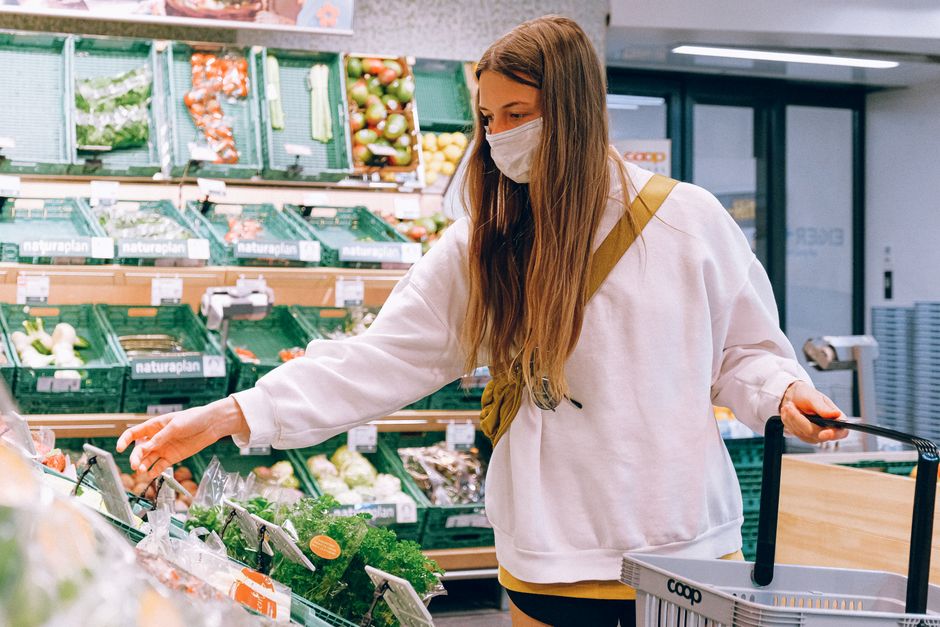
You’re standing in the grocery store, cart half-full, staring at a package of almond flour and trying to remember whether you already have some at home. You’ve got a mental list that made perfect sense at 7am but is now a fuzzy collection of “I think I need…” and “wasn’t there something about electrolytes?” You leave spending more than you planned, get home, and realize you forgot heavy cream. Again.
I’ve helped hundreds of clients start and maintain ketogenic diets, and this exact scenario is one of the most common reasons people abandon keto in the first few weeks. Not the carb cravings. Not the keto flu. The friction of figuring out what to actually buy.
This article is a practical fix for that. No philosophy about why keto works. No pep talk. Just a clear breakdown of what belongs in your cart, what doesn’t, and how to think about stocking a keto kitchen so you’re not improvising every single week.
The Logic Behind a Keto Grocery List (Before You Buy Anything)
Before we get into specific foods, here’s the key thing: keto isn’t just “low carb.” It’s low enough in carbs, typically under 20-50 grams of net carbs per day, to push your body into ketosis, where fat becomes the primary fuel source. That threshold matters because it determines which foods you can buy in bulk and which ones need careful portioning.
When people start building a keto grocery list, they often make this mistake: they try to find keto-labeled replacements for every food they used to eat. Wrong move. The real goal is to build a working collection of naturally low-carb whole foods that are satisfying, affordable, and fast to prepare. The packaged keto products, the bars, the chips, the cookies, have a place. Just not as your foundation.
Use this mental framework instead: organize your list into four categories. Proteins. Fats and oils. Low-carb vegetables. Dairy. Everything else, nuts, seeds, condiments, specialty items, comes second. When you shop that way, you don’t end up with a cart full of almond flour and coconut aminos but nothing to actually eat for dinner.
A kitchen scale is one of the most underrated tools for starting keto. You can eyeball portions of nuts or cheese, two foods that are incredibly easy to overeat, and blow through your carb limit without realizing it. A reliable digital kitchen scale takes the guesswork out and costs under $15. (This site may earn a commission on qualifying purchases.)
Proteins: The Backbone of Your List
Start your grocery list here, both when you’re planning and when you’re in the store. Here’s what actually works:
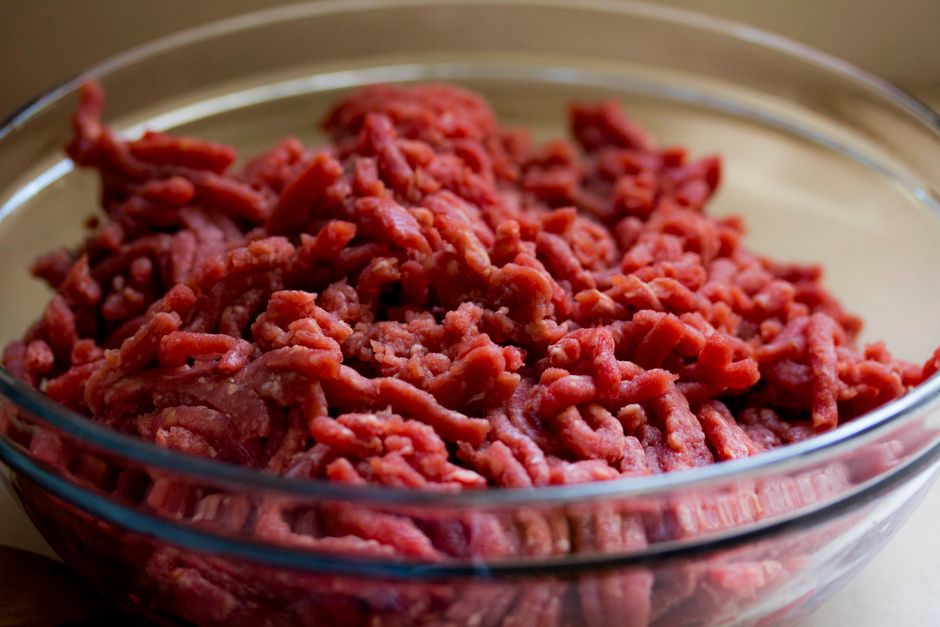
Meat and poultry: Beef (ground beef, ribeye, chuck roast), chicken thighs (way more fat and flavor than breasts), pork shoulder, bacon, lamb, and turkey. Fatty cuts are your friend on keto because fat is the fuel you’re running on. Stop automatically buying the leanest option.
Seafood: Salmon, sardines, shrimp, tuna, and mackerel all work. Canned fish gets overlooked on keto, but a tin of wild-caught sardines or salmon takes 30 seconds to prepare and gives you solid fat plus protein.
Eggs: Buy way more than you think you need. Eggs are the single most versatile keto food. Cheap. Fast. Satisfying at every meal. Start with a dozen a week, but two dozen is better if you’re cooking for yourself daily.
What to skip: Processed meats with added sugar. Many sausages, deli meats, and marinades hide surprising carbs. A seemingly innocent teriyaki chicken sausage can have 8-10 grams of carbs per link. Always check the label.
Fats and Oils: Don’t Underbuy These
Full Beginner Keto Meal Plan: Exactly What to Eat · Thomas DeLauer on YouTube
This is where new keto dieters go wrong. They buy protein. They buy vegetables. Then they forget that on keto, fat is fuel. You need adequate dietary fat to feel full and to actually reach and sustain ketosis.
Cooking fats: Butter (grass-fed if you can swing it), ghee, coconut oil, avocado oil, and lard or tallow all work for high-heat cooking. Olive oil is better for lower temperatures and dressings. Buy at least two.
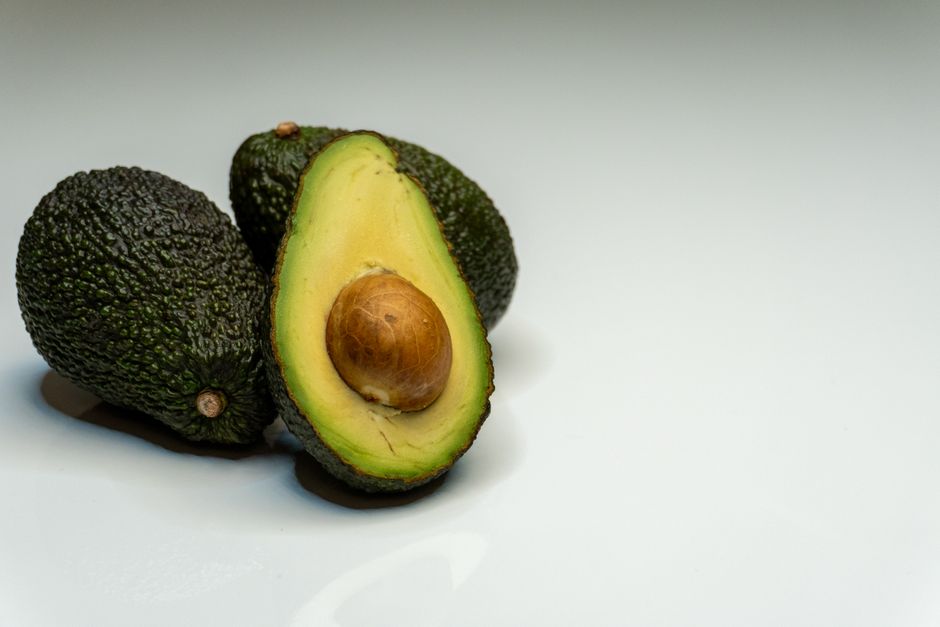
Avocados: Give these their own line. They’re a fat source, a fiber source, and one of the most nutrient-dense foods you can eat on keto. Buy five to seven per week and let them ripen on the counter.
MCT oil: If you want to support ketone production, especially early on, MCT oil is one of the few supplements with actual research behind it. It’s flavorless, mixes into coffee, and can help blunt hunger. Start with a teaspoon, not a tablespoon, until your gut adjusts. A quality MCT oil is worth keeping in your pantry.
Nuts and nut butters: Macadamia nuts and pecans are the lowest-carb options. Almonds and walnuts are fine in moderation. Cashews have about 9g net carbs per ounce, so they’re worth limiting. Natural almond butter or macadamia butter, no added sugar, works well for quick snacks.
Vegetables: Know Your Carb Budget
| Vegetable | Net Carbs Per Serving | Keto Status |
|---|---|---|
| Spinach | Under 5g per cup | Eat freely |
| Kale | Under 5g per cup | Eat freely |
| Zucchini | Under 5g per cup | Eat freely |
| Cauliflower | Under 5g per cup | Eat freely |
| Broccoli | Under 5g per cup | Eat freely |
| Cucumber | Under 5g per cup | Eat freely |
| Celery | Under 5g per cup | Eat freely |
| Bell peppers (green) | Under 5g per cup | Eat freely |
| Asparagus | Under 5g per cup | Eat freely |
| Mushrooms | Under 5g per cup | Eat freely |
| Onions | ~11g per cup raw | Eat in moderation |
| Tomatoes | 5-7g per medium tomato | Eat in moderation |
| Carrots | High | Limit or skip |
| Potatoes | High | Skip |
| Corn | High | Skip |
| Beets | High | Skip |
Not all vegetables are created equal on keto. Potatoes, corn, and beets are basically off the table. Others are so low in carbs you can eat them freely. Here’s the breakdown:
Eat freely (under 5g net carbs per cup):
- Spinach
- Kale
- Zucchini
- Cauliflower
- Broccoli
- Cucumber
- Celery
- Bell peppers (green especially)
- Asparagus
- Mushrooms
Eat in moderation (watch your portions):
- Onions (about 11g net carbs per cup raw, so use them for flavoring, not the base)
- Tomatoes (roughly 5-7g net per medium tomato)
- Carrots (too high for most keto dieters except tiny amounts)
Skip these: Potatoes, sweet potatoes, parsnips, corn, peas, beets.
Frozen vegetables are just as nutritious as fresh and dramatically faster on busy nights. Don’t skip the frozen section. Frozen spinach, cauliflower rice, and broccoli are underrated staples.
Dairy, Condiments, and the Specialty Items Worth Buying
Dairy: Full-fat everything. Heavy cream, full-fat Greek yogurt (plain, and check the carbs, they vary wildly), hard cheeses like cheddar, parmesan, and gouda, cream cheese, and sour cream. Milk is high enough in lactose that it doesn’t belong in a keto cart. Half-and-half is lower carb than milk but still adds up if you’re pouring it liberally.
Condiments: Mustard, hot sauce, soy sauce or coconut aminos, mayonnaise (watch for added sugar), and salsa (about 2g net carbs per 2 tablespoons for most brands). Ranch dressing made with full-fat ingredients is typically fine. Most store-bought barbecue sauces, teriyaki, and ketchup are sugar disasters.
Electrolytes: This isn’t optional, especially in the first four to six weeks. Keto causes your kidneys to excrete more sodium, and with it, magnesium and potassium. Muscle cramps, headaches, and fatigue that people blame on “keto flu” are often just electrolyte depletion. Salt your food aggressively. Consider a dedicated electrolyte supplement without added sugar. A well-formulated product can make the transition significantly easier.
Specialty items worth buying: Almond flour and coconut flour if you want to bake occasionally, monk fruit sweetener or erythritol for sweetening without spiking blood sugar, and sugar-free dark chocolate (85% cacao or higher) for when the sweet craving gets real.
A Practical Keto Shopping List Template
Sources
Here’s a starting framework for one person for one week. Adjust for your household.
| Category | Items |
|---|---|
| Proteins | Ground beef (2 lbs), chicken thighs (2 lbs), bacon (1 lb), eggs (18 count), canned salmon or sardines (2-3 tins) |
| Fats & Oils | Butter, avocado oil, 5-7 avocados, macadamia nuts (small bag) |
| Vegetables | Spinach (large bag), zucchini (3-4), broccoli (fresh or frozen), cauliflower rice (frozen, 2 bags), mushrooms |
| Dairy | Heavy cream (1 pint), cheddar cheese (block, not pre-shredded), cream cheese, full-fat sour cream |
| Condiments & Extras | Olive oil, Dijon mustard, hot sauce, mayonnaise (check label), salsa |
| Pantry Staples | Salt (don’t be shy), garlic, electrolyte supplement, MCT oil (optional) |
Pre-shredded cheese often has potato starch or cellulose to prevent clumping. It’s not a huge deal, but if you’re very carb-sensitive or not seeing results, switching to block cheese you shred yourself removes one variable.
Good storage containers make a real difference if you’re meal prepping. Glass meal prep containers hold up better than plastic, don’t absorb odors, and make your fridge look organized enough that you’ll actually use what you prepped.
The real secret to a good keto grocery list is that it becomes automatic fast. After four or five consistent weekly trips, you’ll stop second-guessing yourself in the dairy aisle and move through the store with a pattern you trust. The first few trips are the hardest. Build your list before you leave the house, stick to the perimeter of the store (that’s where meat, fish, eggs, and produce live), and don’t shop hungry. Your future self, standing at the checkout with a cart that actually makes sense, will thank you. Working with a dietitian or your doctor when making significant dietary changes is a smart move, especially if you’re managing a health condition.
Photo: Anna Shvets via Pexels
This article is for general informational purposes only and does not constitute medical or dietary advice. Always consult a licensed healthcare provider or registered dietitian before making significant changes to your diet, especially if you have a medical condition.