 Mark Chen
Maria stepped on the scale every Monday morning for three months. Salads, calorie counting, five days of cardio a week. The needle barely moved. She was eating around 1,400 calories a day and stuck at 185 pounds until she switched to keto. Six weeks later, she’d dropped 14 pounds. Magic? No. A fluke? Also no. What actually changed was how her body was burning fuel, and for a lot of people who’ve hit a wall, that shift makes all the difference.
What Keto Actually Does to Your Body (The Short, Honest Version)
| Metric | Initial State | After 6 Weeks on Keto | Change |
|---|---|---|---|
| Weight | 185 lbs | 171 lbs | -14 lbs |
| Diet Approach | Calorie counting (1,400 cal/day) + cardio | Keto (carbs <20-50g net) | Metabolic shift |
| Timeline | 3 months (minimal progress) | 6 weeks | Accelerated results |
Keto isn’t built on vibes. There’s real metabolic science here, and understanding the basics helps when things get hard.
When you eat fewer than roughly 20 to 50 grams of net carbs per day, your liver converts fat into ketone bodies: beta-hydroxybutyrate, acetoacetate, and acetone. Your brain, heart, and muscles can run on these ketones instead of glucose. This state is called ketosis, and it’s the entire point.
Why this matters for weight loss is three-fold. First, ketosis tanks your insulin levels. Insulin is your primary fat-storage hormone. Chronically elevated from high-carb eating? Your body struggles to access stored fat for energy. Drop the carbs, drop the insulin, and suddenly fat becomes accessible again.
Second, fat and protein are deeply satiating. Most people on keto eat less naturally, without obsessing over every calorie, because eggs, avocado, salmon, and full-fat cheese fill you up in ways rice cakes and low-fat yogurt never will. Research in Obesity Reviews found that very low-carb diets produced significantly greater satiety than low-fat diets with identical calories.
Third, ketones themselves suppress appetite. Ghrelin, the hunger hormone, stays lower in ketosis compared to traditional calorie restriction. That’s not small. Hunger kills most diets.
How Much Weight Can You Actually Expect to Lose?
I’m going to be straight with you, because a lot of keto content oversells this.
Your first one to two weeks will probably show a dramatic drop, sometimes 5 to 10 pounds. That’s water weight. Glycogen (carbs stored in muscle and liver) binds water at roughly a 3:1 ratio. Deplete glycogen, and all that water leaves too. It’s real weight loss, just not fat loss yet.
After that, realistic fat loss sits at around 0.5 to 2 pounds per week, depending on your starting point, caloric deficit, activity level, and metabolism. People with more fat to lose tend to lose faster early on.
I’ve seen clients drop 30 pounds in three months. I’ve also seen clients lose 8 pounds in three months and feel completely transformed by energy and body composition changes. Don’t let the scale be your only metric.
Here’s what surprises people: even when the scale stalls, measurements keep changing. Fat is less dense than water-heavy tissue, so your shape shifts as you lose fat and retain or build muscle. Track waist circumference, how clothes fit, energy levels, not just that number on the floor.
Setting Up Keto for Weight Loss: A Practical Step-by-Step Guide
Keto Diet: Does It Really Work for Weight Loss? · Doctor O'Donovan on YouTube
Most people either nail this part or quietly quit. The setup matters.
Step 1: Calculate your macros. A standard weight-loss keto split runs 70 to 75% of calories from fat, 20 to 25% from protein, and 5% or less from carbs. For someone eating 1,800 calories, that’s roughly 140 grams of fat, 90 to 100 grams of protein, and 20 to 25 grams of net carbs. Use Cronometer or the Carb Manager app to get your personal numbers.
Step 2: Stock your kitchen intentionally. Clear the obvious carb bombs: bread, pasta, rice, crackers, fruit juice, anything with added sugar. Replace them with:
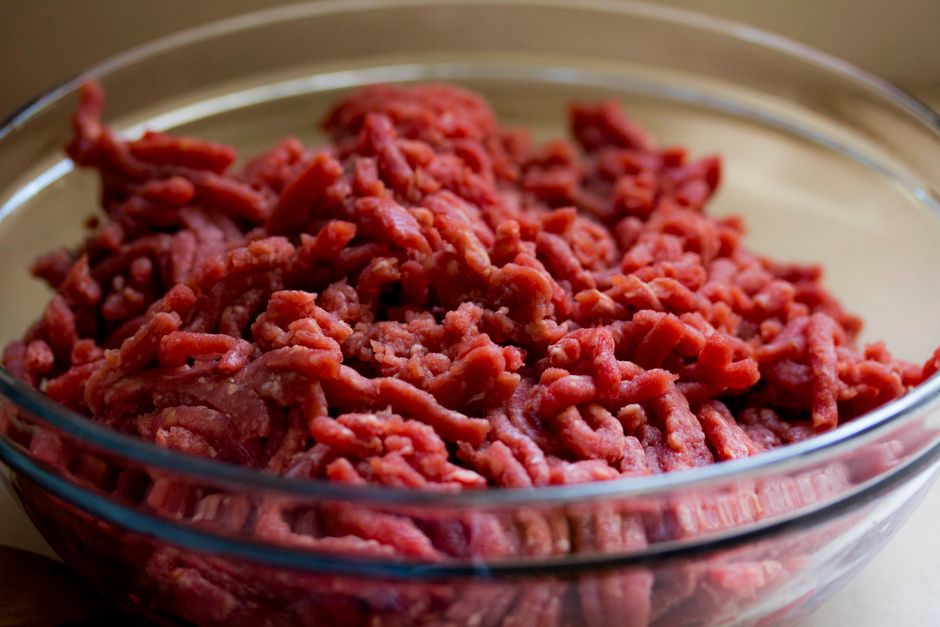
- Proteins: eggs, chicken thighs, salmon, ground beef, pork shoulder, tuna
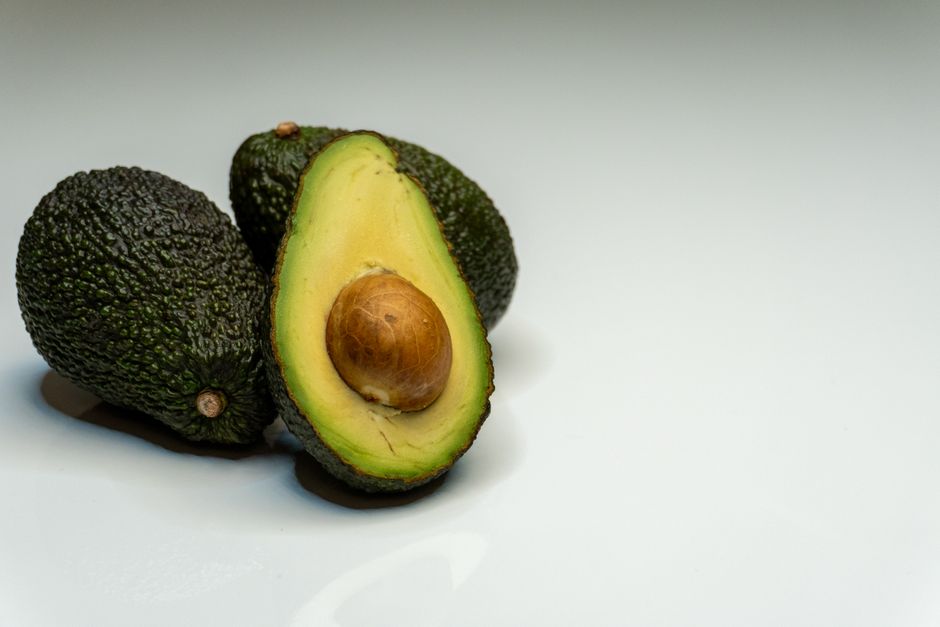
- Fats: avocado, olive oil, butter, full-fat cheese, bacon, nuts
- Vegetables: spinach, kale, broccoli, cauliflower, zucchini, asparagus, Brussels sprouts
- Pantry staples: almond flour, coconut flour, canned sardines, bone broth
Get a food scale. People are shockingly bad at eyeballing portions, especially with calorie-dense foods like nuts and cheese. This OXO digital scale is accurate, easy to clean, and under $30. (Full disclosure: this site may earn a small commission on purchases made through links.)
Step 3: Plan your first week of meals before you shop. Decision fatigue kills diets. When you’re hungry and tired without a plan, you’ll reach for whatever’s easy, and easy usually means carbs. A simple week:
- Breakfast: 3 scrambled eggs with butter, 2 slices of bacon, and half an avocado
- Lunch: Tuna salad (mayo-based) on romaine lettuce cups
- Dinner: Ground beef taco bowl with shredded cheese, sour cream, salsa, and cauliflower rice
Step 4: Prepare for the keto flu and prevent it. Days two through five are often brutal. Headaches, fatigue, brain fog, irritability. This happens because your kidneys excrete more sodium when insulin drops, and sodium loss pulls potassium and magnesium with it. Fix it with electrolytes. Drink salted bone broth, eat salty foods, consider an electrolyte supplement without sugar. LMNT is popular and comes in various flavors with no artificial sweeteners. Drinking 3 liters of water daily also helps significantly.
Step 5: Give it at least four weeks before evaluating. Full keto adaptation, where your body becomes efficient at burning fat as primary fuel, takes 3 to 6 weeks for most people. Judging keto at day 10 is like judging a marathon runner at mile 2.
Common Keto Mistakes That Stall Weight Loss
You’re doing keto but nothing’s changing. Here are the most common culprits.
Eating too much protein. It’s real. Protein converts to glucose through gluconeogenesis. It’s inefficient and doesn’t happen as dramatically as keto forums claim, but eating 250 grams of protein on a 2,000 calorie diet may bump you out of ketosis. Keep protein moderate.
Hidden carbs. Ketchup, barbecue sauce, flavored nuts, deli meats, pre-made dressings, low-carb protein bars, and restaurant sauces are landmines. Read labels. Net carbs = total carbs minus fiber minus sugar alcohols (though some sugar alcohols still spike blood sugar, so be cautious with maltitol).
Eating too many calories. Keto doesn’t erase the laws of thermodynamics. Fat is 9 calories per gram. A handful of macadamia nuts is 200 calories. It’s not a free pass on quantity, especially after month one.
Skipping sleep. This applies to every diet, but chronic poor sleep raises cortisol and ghrelin, both working against fat loss. I’ve watched clients eat perfectly, exercise regularly, and lose almost nothing because they slept 5 hours a night. Sleep is part of the protocol.
Dairy sensitivity. Some people, especially women, find that heavy cream, cheese, and butter stall progress. The science isn’t definitive on why, but it may relate to insulin response or inflammatory signaling. If you’ve been strict for 6 weeks with nothing, try cutting dairy for 2 weeks and observe.
Keto vs. Other Low-Carb Approaches: What’s the Difference?
Not every low-carb diet is keto. Here’s a quick comparison.
| Approach | Carb Range | Primary Goal | Enters Ketosis? |
|---|---|---|---|
| Standard keto | Under 20-50g net carbs/day | Fat loss, metabolic health | Yes |
| Targeted keto (TKD) | 20-50g baseline + carbs around workouts | Athletic performance | Intermittently |
| Cyclical keto (CKD) | 5 keto days + 1-2 high carb days | Muscle building with fat loss | Partially |
| Low-carb (not keto) | 50-150g net carbs/day | General health, moderate fat loss | No |
| Paleo | Varies (typically 100-150g) | Whole foods, inflammation | Rarely |
If your primary goal is fat loss and you’re not a high-level athlete, standard keto is the most straightforward start. Cyclical keto works for people who lift heavy and want muscle preservation, but it adds complexity I don’t generally recommend until someone’s done standard keto successfully for at least 8 to 12 weeks.
Adding Movement to Accelerate Your Results
Sources
- This OXO digital scale
- LMNT is popular
- Annushka Ahuja
- in Obesity Reviews found that very low-carb diets produced significantly great
- found that subjects in ketosis maintained muscle during resistance training whil
Keto works solo. But pair it with the right movement and everything accelerates.
Resistance training is the highest-value exercise to combine with keto for weight loss. Building or maintaining muscle keeps your resting metabolic rate higher, so you burn more calories at rest. A 2019 Journal of Strength and Conditioning Research study found that subjects in ketosis maintained muscle during resistance training while losing significantly more fat than controls.
Three full-body strength sessions per week covering squats, deadlifts, presses, rows, and carries is enough for real results. Add daily walking, aim for 8,000 to 10,000 steps, and you’ve built a powerful fat-loss engine.
One practical note: your first two to four weeks combining keto with intense exercise will feel rough. Your muscles haven’t adapted to using fat and ketones for fuel yet. Be patient. Performance comes back, and often improves beyond your pre-keto baseline.
Keto isn’t perfect, and it’s not right for everyone. But for people who’ve struggled with hunger-driven dieting, chronic insulin spikes, or stubborn plateaus, it offers a genuinely different metabolic approach backed by real research. Start with the basics: drop carbs hard, eat real food, fix your electrolytes, give your body at least a month to adapt. The results possible in 8 to 12 weeks can be pretty remarkable when you execute it well.
Photo: Annushka Ahuja via Pexels