 Diana Walsh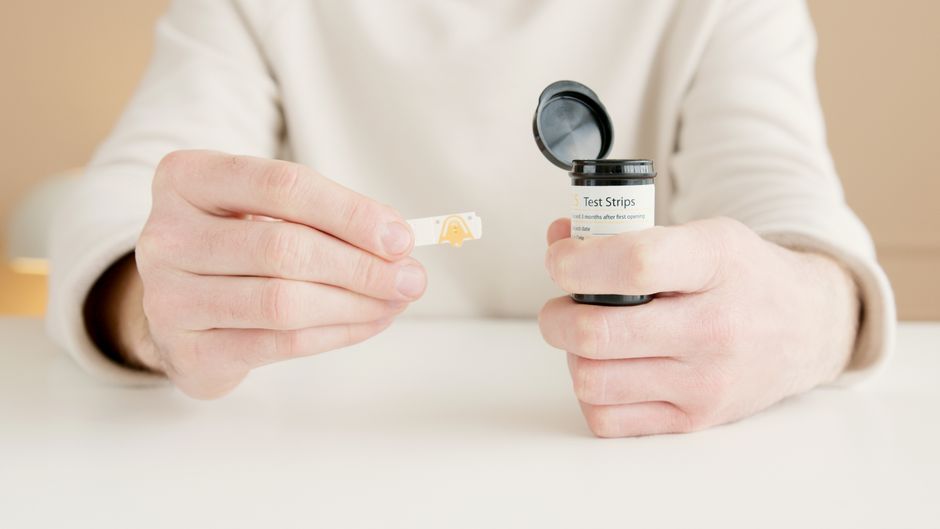
Your doctor calls with your A1C: 8.4 down to 5.9 in six months. Metformin cut in half. That was David, 54, one of my clients who ditched calorie restriction and started eating keto after years of spinning his wheels with blood sugar control. No magic involved. Just metabolic reality.
Type 2 diabetes boils down to one thing: your body stopped listening to insulin properly. Glucose piles up in your bloodstream, your pancreas panics and dumps out more insulin, and the whole system spirals. So a diet that cuts carbs dramatically? That’s not fringe thinking. That’s addressing the actual problem. And the science backing it up is genuinely compelling.
What Keto Actually Does to Blood Sugar
| Metric | Starting | After 6 Months | Change |
|---|---|---|---|
| A1C | 8.4% | 5.9% | -2.5% |
| Medications | Multiple | Metformin halved | Reduced |
| Study A1C (2018, n=349) | 7.6% | 6.3% | -1.3% |
| Medication adjustment rate | - | 60% reduced/eliminated ≥1 drug | - |
Drop below 20 to 50 grams of net carbs daily and something shifts fast. Your blood glucose stabilizes without the constant flood of dietary sugar. Insulin demand plummets. Your liver starts converting fat into ketone bodies, which your brain and muscles burn as fuel instead. You’ve essentially switched what your body runs on.
The effect on blood sugar is almost instant. Many people watch their fasting glucose drop within days. A 2018 study in Diabetes Therapy tracked 349 adults with type 2 diabetes through a year of very low-carb eating plus coaching. Sixty percent either cut or eliminated at least one diabetes medication. Average A1C fell from 7.6% to 6.3%. That’s real, not statistical noise.
The mechanism goes beyond just eating less sugar. Lower carbs mean fewer blood sugar spikes after meals, and those spikes are brutal, they trigger inflammation in blood vessel walls and drive that exhausted, foggy, ravenous crash many diabetics know too well. Fewer carbs equals fewer spikes. That direct.
The Insulin Resistance Connection
Insulin resistance is the core problem. Your muscle cells and liver cells stopped responding to insulin’s signal, so your pancreas overcompensates, pumping out more. Chronically high insulin then drives fat storage, hunger, and inflammation. It’s a trap.
Keto breaks the cycle differently. Without carbs, your body doesn’t need much insulin at all. Insulin levels tank. And here’s the interesting part: lower insulin actually restores sensitivity over time. It’s like a receptor that’s been hammered by constant stimulation finally getting a chance to recover. Studies show measurable improvements in HOMA-IR (insulin resistance) after just 8 to 12 weeks on a real ketogenic diet.
Weight loss contributes too. Visceral fat, the stuff wrapped around your organs, pumps out inflammatory molecules that wreck insulin signaling. Keto shreds visceral fat because lower insulin lets your body actually access stored fat. I’ve watched clients drop four to six inches off their waist before the scale budges, and their glucose markers improve right alongside it.
How to Structure a Keto Diet for Diabetes Management
THE KETOGENIC DIET: Science Behind Low Carb Keto for Fat Loss, Muscle & Health · Jeff Nippard on YouTube
Getting keto right for type 2 diabetes demands more precision than casual low-carb eating. You need a real system.
Step 1: Set your carbohydrate target Research mostly uses 20 to 50 grams of net carbs daily (total carbs minus fiber). Start at 20g if your blood sugar’s elevated. You can relax it once glucose stabilizes.
Step 2: Prioritize protein Don’t skimp on protein chasing ketosis. Aim for 1.2 to 1.6 grams per kilogram of body weight. For an 82 kg person, that’s roughly 100 to 130 grams daily. Protein preserves muscle, keeps hunger down, and barely touches blood sugar compared to carbs.
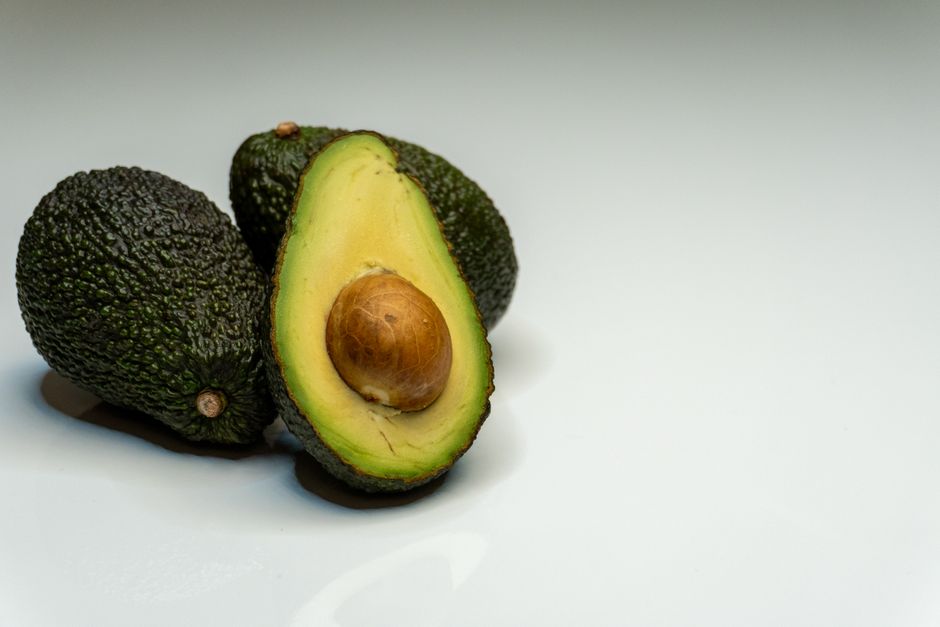
Step 3: Build meals around whole foods A solid plate: 4 to 6 oz of fatty fish or meat, two cups of non-starchy vegetables like spinach or broccoli, and a fat source. Olive oil. Avocado. Cheese. Once you’ve got the pattern, no tracking needed.
Step 4: Monitor blood glucose consistently Buy a glucometer and test fasting glucose every morning for the first few weeks, plus two hours after meals. Target fasting readings below 130 mg/dL minimum, ideally under 100 if you’re aiming for reversal. A kitchen scale helps early on so you actually understand portion sizes before your eye calibrates. (Disclosure: this site may earn a commission on purchases.)
Step 5: Replace electrolytes proactively Low insulin makes your kidneys shed sodium, triggering potassium and magnesium losses. The “keto flu” that kills most people’s plans? Mostly electrolyte depletion, not adaptation. Salt your food generously, eat magnesium-rich greens and pumpkin seeds, and grab an electrolyte supplement without added sugar. (Disclosure: this site may earn a commission.)
Step 6: Work with your prescribing physician This one matters most. If you’re on metformin, sulfonylureas, or insulin, your doses will likely need adjusting fast. Hypoglycemia’s a real danger if your medication’s still doing heavy lifting while your diet now handles the work. Talk to your doctor before you start, or within the first week. Show them the research. Bring your glucose logs. Decent physicians adjust meds when they see results.
What to Eat: A Realistic Day of Keto for a Diabetic
Research is one thing. People eat actual food. Here’s what a practical day looks like.
Breakfast: Three scrambled eggs in butter with sautéed spinach and bacon. Black coffee or heavy cream coffee. Starting with zero carbs means no morning spike and often a lower fasting reading tomorrow.
Lunch: Big salad with romaine, half an avocado, cucumber, cherry tomatoes, grilled chicken, olive oil, lemon. Around 8 to 10 grams net carbs.
Dinner: Baked salmon with roasted broccoli and cauliflower in garlic oil. About 10 grams net carbs.
Snacks: Macadamia nuts. Hard-boiled egg. Full-fat cheese. Or Perfect Keto bars on crazy days. (Disclosure: this site may earn a commission.)
Day total: 20 to 25 grams net carbs. Protein’s solid. Hunger becomes manageable within two to four weeks.
Comparison: Keto vs. Standard Diabetic Diet Guidelines
Traditional diabetes advice, calorie restriction, whole grains, hasn’t moved the needle at a population level. Here’s how they stack up.
| Feature | Standard Diabetic Diet (ADA Guidelines) | Ketogenic Diet |
|---|---|---|
| Carbohydrate target | 45-60g per meal (135-180g/day) | 20-50g per day total |
| Primary fuel source | Glucose from carbohydrates | Ketones and fat |
| Effect on postprandial glucose | Moderate spikes likely | Minimal spikes |
| Effect on A1C | Modest improvement (0.5-1.0% reduction in studies) | Larger reductions seen (1-2%+ in multiple trials) |
| Medication reduction | Rare without weight loss | Common, often rapid |
| Hunger management | Variable, relies on calorie restriction | Often improved due to appetite suppression |
| Sustainability | Familiar foods, easier social eating | Requires more planning, learning curve |
The ADA’s actually updated its position in recent years to accept low-carb eating for glycemic control. That’s a major shift from a decade ago.
Honest Caveats: Who Should Be Cautious
Sources
- kitchen scale
- electrolyte supplement
- Perfect Keto bars
- Artem Podrez
- in Diabetes Therapy tracked 349 adults with type 2 diabetes through a year of
Keto isn’t for everyone with type 2 diabetes. Pretending otherwise would be reckless.
If you have diabetic kidney disease, high protein intake can stress already-damaged kidneys. Check with your nephrologist first.
On SGLT-2 inhibitors (empagliflozin, dapagliflozin)? You face a rare but serious risk: euglycemic diabetic ketoacidosis, where ketones spike dangerously even without high blood sugar. This needs medical supervision.
Anyone taking insulin requires close monitoring and likely medication cuts within days. That’s not a reason to skip keto, just don’t do it alone.
Lipids usually improve on keto: triglycerides down, HDL up. But a small group sees LDL climb significantly. Get a baseline lipid panel before starting, recheck at three months.
And here’s the real talk: long-term keto research for type 2 diabetes mostly covers one to two years. We don’t have solid 10-year data yet. But uncontrolled blood sugar causes documented damage over those same decades, so the math usually favors trying a real dietary intervention.
Keto isn’t magic, and it won’t work identically for everyone. But for most people with type 2 diabetes, it’s the strongest dietary tool available to fix the underlying metabolic mess. If someone’s told you to “watch your carbs” without actual structure, a real ketogenic approach, paired with medical oversight and consistent glucose testing, might finally get you the control you’ve been after. The biology checks out. The evidence is mounting. And honestly, the food is good once you get past the learning curve.
Photo: Artem Podrez via Pexels