 Jake Torres
The first thing most families hear when their child is diagnosed with epilepsy is a list of medications. The ketogenic diet, if it comes up at all, often gets mentioned as a last resort, something to try “if the drugs don’t work.” I’ve watched this pattern play out over and over in clinical settings, and I think it’s a mistake. Not because medications are wrong, but because the diet deserves to be understood on its own terms, not treated as an afterthought.
So if you’re here because someone you love has epilepsy, and you’ve started wondering whether diet could help, you’re asking the right questions. You might be wondering whether this is fringe science or something with real clinical weight behind it. Whether it’s safe for kids. Whether it’s sustainable for adults. What exactly it involves.
Here’s what I tell people at the start: the ketogenic diet for epilepsy is one of the most thoroughly studied applications of carbohydrate restriction in all of medicine. This isn’t wellness influencer territory. It’s a recognized medical therapy with decades of clinical data, used in epilepsy centers at Children’s Hospital of Philadelphia, Great Ormond Street, Mayo Clinic, and hundreds of other major hospitals worldwide.
- The classical ketogenic diet (4:1 fat-to-protein-plus-carb ratio) reduces seizures by 50%+ in roughly 50% of patients who try it.
- It works best for drug-resistant epilepsy: patients who've failed 2+ medications are the typical candidates.
- Children respond better than adults on average, but adult trials show meaningful benefit too.
- Several modified versions (Modified Atkins, Low Glycemic Index Treatment) are easier to follow and may be nearly as effective.
- This therapy requires medical supervision. Do not start it without a neurologist and dietitian involved.
Why It Works (and Why It’s Not Just “Cutting Carbs”)
The mechanism behind ketogenic therapy for epilepsy isn’t fully understood, and I want to be upfront about that. What we know is that when the brain runs primarily on ketone bodies (beta-hydroxybutyrate, acetoacetate) instead of glucose, something changes in how neurons fire. Multiple pathways are probably involved: ketones appear to stabilize neuronal membranes, reduce excitatory neurotransmission, and enhance GABA activity. There’s also growing evidence around mitochondrial function and adenosine receptor activation.
The practical point is that this isn’t the same physiological effect as ordinary low-carb eating. The classical ketogenic diet uses a precise ratio of fat to protein plus carbohydrates, written as 4:1, meaning four grams of fat for every one gram of protein and carbs combined. That’s a very high-fat diet, typically around 90% of calories from fat. It requires careful calculation of every meal, often gram by gram. The modified versions are less rigid, but we’ll get to those.
Something that surprises people: ketosis alone isn’t necessarily the goal in the sense that a higher ketone level doesn’t always mean better seizure control. A 2008 study in Epilepsia found no consistent correlation between blood ketone levels and seizure reduction. The diet works through something more complex than just “get ketones high.” This is why self-managing it from a YouTube video is genuinely dangerous territory.
The Variants: Which Diet, and for Whom?
This is where I see the most confusion, including in my own early years working with epilepsy teams. People hear “keto for epilepsy” and picture the same diet they tried for weight loss. These are related but different animals.
| Diet Type | Fat Ratio | Carb Limit | Protein Limit | Ease of Use | Evidence Level |
|---|---|---|---|---|---|
| Classical Ketogenic (4:1) | ~90% calories | ~5-10g/day | Restricted | Very difficult | Strongest (50+ years of data) |
| Classical Ketogenic (3:1) | ~87% calories | ~5-15g/day | Slightly higher | Difficult | Strong |
| Modified Atkins Diet (MAD) | ~65% calories | 10-20g net/day | Not restricted | Moderate | Good (multiple RCTs) |
| Low Glycemic Index Treatment (LGIT) | ~60% calories | 40-60g/day, low-GI only | Not restricted | More flexible | Moderate |
| MCT Oil Diet | Variable | Variable | Less restricted | Moderate | Good, particularly in UK |
The classical 4:1 ratio is used most often for young children with severe epilepsy, particularly when seizure control is urgent and maximum efficacy matters more than ease of compliance. The Modified Atkins Diet was developed at Johns Hopkins specifically as a less restrictive alternative for older children and adults, and a 2008 randomized trial published in The Lancet Neurology found it produced a 50% or greater seizure reduction in about 43% of patients, which is genuinely competitive with the classical diet.
A reader named Claire, a mother from outside Portland, emailed me last spring about her seven-year-old son, who had failed four medications for Lennox-Gastaut syndrome. His epilepsy team started him on the classical 4:1 diet under close supervision. Six months in, his seizure frequency had dropped from roughly 40 tonic-clonic seizures per week to fewer than five. That’s not a cure. It’s also not nothing.
For adults, the data is thinner but promising. A 2020 review in Seizure: European Journal of Epilepsy found that adults on ketogenic diets had a responder rate (50%+ reduction) of around 52% across pooled studies, closer to what we see in children than previously thought.
What Starting This Actually Looks Like
THE KETOGENIC DIET: Science Behind Low Carb Keto for Fat Loss, Muscle & Health · Jeff Nippard on YouTube
Here’s where I need to be blunt: this is not a diet you start at home because you read a few articles. The initiation process for ketogenic therapy involves a neurologist to confirm candidacy, a registered dietitian with epilepsy specialization to calculate meal plans, baseline labs (metabolic panel, urine organic acids, lipid panel, acylcarnitine profile), and often a short inpatient or intensive outpatient stay to monitor the transition.
Historically, patients were fasted for 24-48 hours at initiation to accelerate ketosis. Most major epilepsy centers have moved away from this in recent years, as current evidence suggests gradual initiation produces similar outcomes with fewer side effects like hypoglycemia and dehydration. As of August 2026, the consensus from the International Ketogenic Diet Study Group supports non-fasting initiation for most patients.
The first two to four weeks are the hardest. The “keto flu” is real even in this context, and in epilepsy patients it can be hard to distinguish from increased seizure activity caused by other factors. Kids get cranky. Adults get brain fog. Constipation is genuinely common, and it’s one of those practical details that doesn’t come up in the journal articles but comes up constantly in clinic. A good fiber supplement (low-carb, obviously) and adequate fluid intake make a real difference here.
After about three months, the diet team evaluates response. If there’s been no meaningful seizure reduction, the diet is typically tapered. If there’s been a partial response, adjustments to the ratio or total calories are made before giving up. Full response assessment really requires about six months of consistent adherence.
Scenario: Child, age 6, drug-resistant focal epilepsy, failing third medication → Family initiates classical 4:1 diet at a certified epilepsy center, with weekly dietitian check-ins for the first month → At 3 months, seizures reduced by 60%; at 6 months, family reports 75% reduction and successful tapering of one medication.
Risks, Side Effects, and What People Don’t Tell You
The diet has real risks. I think some keto advocates undersell this, and some physicians oversell it to families they’re trying to dissuade. Let me give you the honest picture.
The most common short-term problems are gastrointestinal: constipation, reflux, nausea. These are manageable but annoying. Kidney stones occur in about 3-7% of patients over time, a meaningful number, though potassium citrate supplementation reduces this risk substantially. Growth concerns exist for children on long-term 4:1 ratios, which is why teams monitor height, weight, and bone density regularly.
Elevated LDL cholesterol is common, and here the research is genuinely mixed. Some patients show LDL increases that normalize over time; others sustain elevated levels. I don’t have confident data on long-term cardiovascular risk from epilepsy diet protocols because the studies just haven’t followed patients long enough. That uncertainty is real, and a good medical team will monitor lipids every six months.
Selenium, zinc, and vitamin D deficiencies occur because the diet restricts many foods that provide these micronutrients. Every patient on this diet should be on a comprehensive multivitamin formulated specifically for ketogenic therapy. KetoCal (from Nutricia) and KetoVie are two products commonly used in clinical settings that address this.
What the Evidence Actually Shows
A 2020 Cochrane review analyzed eleven randomized controlled trials of ketogenic diets for epilepsy and found that, compared to controls, ketogenic diet groups were significantly more likely to achieve 50% or greater seizure reduction. The evidence quality was rated as moderate (not high, because blinding in diet trials is nearly impossible). That’s honest reporting, not a dismissal.
The diet works best for specific syndromes: Dravet syndrome, Lennox-Gastaut syndrome, glucose transporter type 1 (GLUT1) deficiency (where it’s actually the first-line treatment, not an alternative), and pyruvate dehydrogenase deficiency. For GLUT1 in particular, the ketogenic diet isn’t just helpful, it’s the standard of care because it bypasses the defective glucose transport mechanism entirely.
For more common focal epilepsies or absence epilepsy, the evidence is thinner. Responder rates are lower and medication tends to work well enough that diet often isn’t necessary. This doesn’t mean diet can’t help in those cases, but the risk-benefit calculation is different.
Scenario: Adult, 34 years old, GLUT1 deficiency misdiagnosed for years as generalized epilepsy → Correct diagnosis made, classical ketogenic diet initiated → Seizure freedom achieved within 8 weeks, cognitive improvements noted by family and patient.
Sources
- Kossoff EH, et al. “Optimal clinical management of children receiving dietary therapies for epilepsy: Updated recommendations of the International Ketogenic Diet Study Group.” Epilepsia Open, 2018.
- Martin-McGill KJ, et al. “Ketogenic diets for drug-resistant epilepsy.” Cochrane Database of Systematic Reviews, 2020.
- Sharma S, et al. “The Modified Atkins Diet in refractory epilepsy.” Epilepsia, 2013.
- Kossoff EH and Dorward JL. “The Modified Atkins Diet.” Epilepsia, 2008.
- Neal EG, et al. “The ketogenic diet for the treatment of childhood epilepsy: a randomised controlled trial.” The Lancet Neurology, 2008.
If there’s one thing I want you to take away from all of this, it’s that the ketogenic diet for epilepsy is a legitimate medical therapy backed by serious clinical evidence, and it deserves to be discussed with your neurology team early, not as a last resort, but as a real option worth weighing. It’s not easy. It’s not right for everyone. But for the families and patients it does help, sometimes dramatically so, it’s the kind of thing that changes lives in ways no pill has managed to.
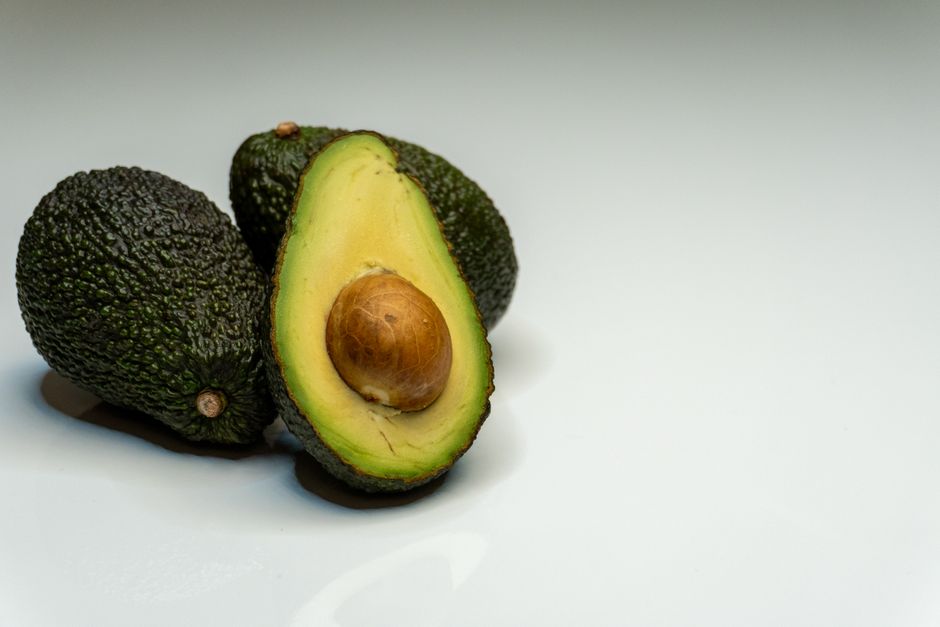
Photo: Gustavo Fring via Pexels
This article is for general informational purposes only and does not constitute medical or dietary advice. Always consult a licensed healthcare provider or registered dietitian before making significant changes to your diet, especially if you have a medical condition.