 Dr. Sarah Mitchell
Most people tank on keto in the first two weeks, but not because the diet is too hard. They walk into a grocery store completely lost, grab some avocados and bacon, go home, and eat an 80-gram carb dinner without realizing it. A solid food list isn’t just convenience. It’s the difference between actually hitting ketosis and eating a weird, unsatisfying version of your old diet.
The Core Principle Behind Every Food on This List
Before memorizing foods, understand the one rule: keep net carbohydrates between 20 and 50 grams per day (depends on you). Net carbs are total carbohydrates minus dietary fiber and sometimes sugar alcohols. That number triggers or suppresses ketone production.
Your macronutrient ratio typically breaks down like this: 70 to 75 percent fat, 20 to 25 percent protein, 5 to 10 percent carbohydrates. Eating around 2,000 calories? That’s roughly 155 to 165 grams of fat, 100 to 125 grams of protein, and 20 to 50 grams of net carbs daily.
This isn’t about drowning in bacon or avoiding vegetables. It’s about knowing which foods keep your metabolism in the right place. A kitchen scale and an app like Cronometer or Carb Manager beat guessing every time. I’ve watched clients eat “keto” for three weeks, feel terrible, then discover their “low-carb” tortillas had 18 net carbs each.
Proteins: What to Buy and What to Skip
Protein on keto is straightforward. Unprocessed whole-animal proteins are almost always zero-carb. The trouble comes with processed and packaged meats, which hide sugar in curing agents, fillers, and breading.
Eat freely:
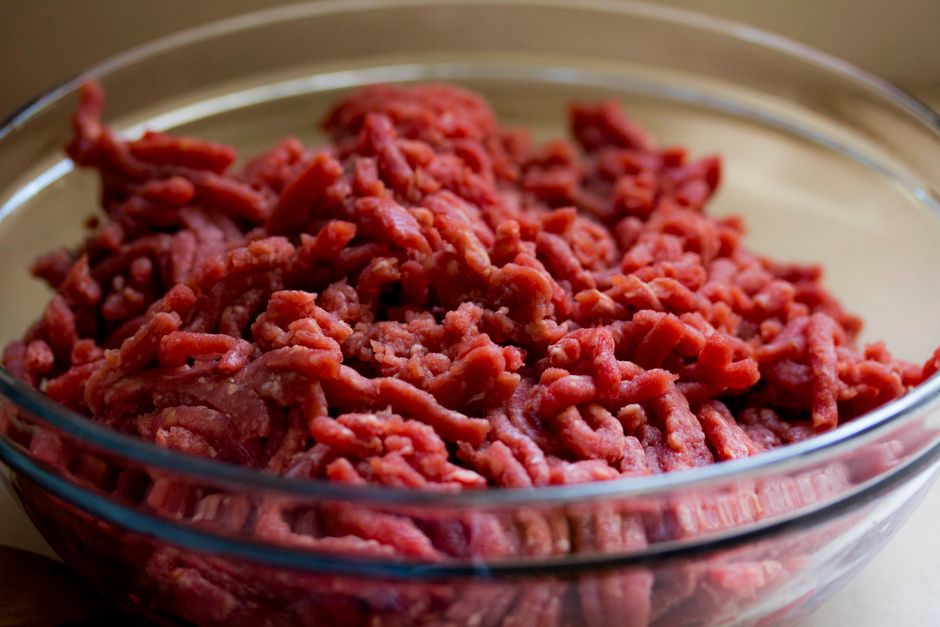
- Beef: ribeye, ground beef (80/20 is solid for fat), chuck roast, brisket
- Poultry: chicken thighs and legs (more fat than breast), turkey, duck
- Pork: pork belly, shoulder, bacon (check labels), pork rinds
- Lamb and bison
- Fatty fish: salmon, sardines, mackerel, trout, anchovies
- Shellfish: shrimp, crab, lobster (oysters and mussels have carbs, so watch portions)
- Eggs: whole eggs. The yolk holds the fat and most nutrition.
Watch out for:
- Deli meats and sausages with dextrose or corn syrup added (read every label)
- Breaded or marinated proteins from the meat case
- Flavored canned fish with added sauces
On protein amounts: keto isn’t carnivore, and it’s not low-protein either. You need adequate protein to keep muscle, especially if you’re training. Aim for 0.7 to 1 gram per pound of lean body mass.
Fats: Your New Primary Fuel Source
What Can You Eat on a Low Carb Diet? (Full Food List) · Dr. Becky Gillaspy on YouTube
This is where new keto people often hesitate. Years of low-fat messaging make it feel wrong to cook eggs in butter and drizzle olive oil everywhere. But fat is what your body will burn, so it needs to be a major part of each meal.
Best fat sources:
Saturated and monounsaturated fats for cooking (stable at high heat):
- Butter and ghee
- Coconut oil
- Lard and tallow
- Avocado oil
Monounsaturated fats for finishing and dressings:
- Extra-virgin olive oil
- Avocado oil
Whole food fats (eat these, don’t just sip oils):
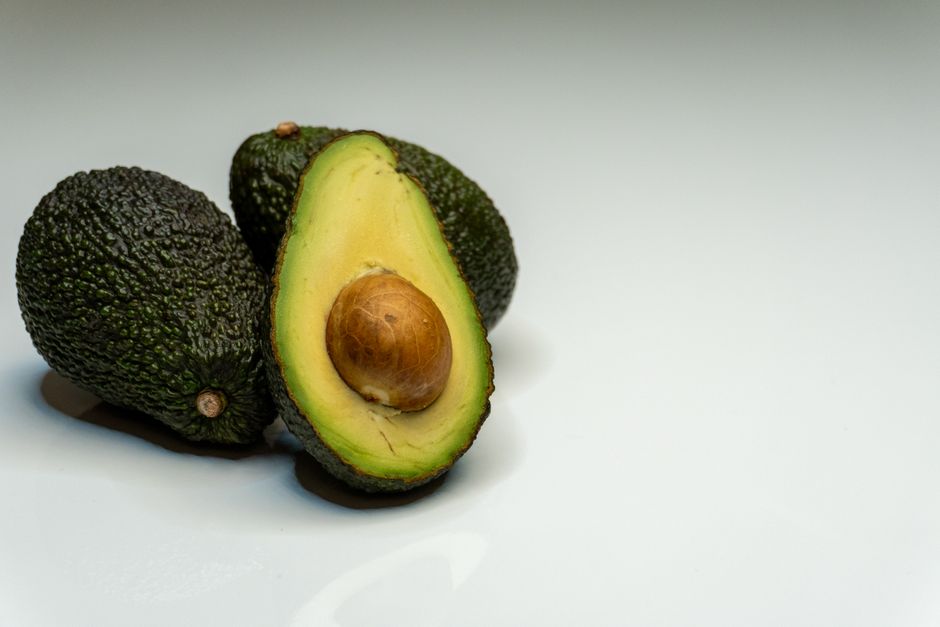
- Avocados (about 2 net carbs per whole one)
- Olives
- Full-fat cheese
- Heavy cream
- Nuts and seeds
MCT oil deserves its own note. Medium-chain triglycerides convert to ketones rapidly in your liver. Many people use it in coffee for a quick mental edge. This MCT oil from Sports Research is one I’ve recommended for years. (Disclosure: this site may earn a commission from qualifying Amazon purchases.)
Polyunsaturated oils like canola, soybean, and corn oil are technically carb-free, but their high omega-6 content and instability at heat make them worth minimizing. Not every keto person will fight this battle, but I avoid them when I can.
Vegetables: The Non-Negotiable Middle Ground
Some people hear “keto” and cut all vegetables. Mistake. Vegetables deliver fiber, micronutrients, and antioxidants that matter for real health. Know the carb counts.
Low-carb vegetables (generally 1 to 5 net carbs per serving):
- Leafy greens: spinach, arugula, romaine, kale (go easy), Swiss chard
- Cruciferous: broccoli, cauliflower, Brussels sprouts, cabbage
- Zucchini and yellow squash
- Asparagus
- Bell peppers (about 4 net carbs per half cup)
- Mushrooms
- Cucumber
- Celery
- Green beans
Medium-carb vegetables (track these):
- Onions: about 7 net carbs per half cup raw. Heavy flavor means small portions.
- Tomatoes: 4 to 5 net carbs per medium tomato. Fine in normal amounts.
- Carrots: around 8 net carbs per half cup. Not keto in quantity.
Avoid or strictly limit:
- Potatoes, sweet potatoes, yams
- Corn
- Parsnips
- Peas and most legumes
One practical rule: above-ground vegetables tend to be lower carb. Below-ground vegetables tend to be starchy. It’s not perfect, but it’s a solid heuristic at a farmers market when you’re unsure.
Dairy, Nuts, Fruits, and the Sneaky Carb Sources
| Nut/Seed | Net Carbs per 1 oz | Notes |
|---|---|---|
| Macadamia nuts | 1.5g | Best keto nut |
| Pecans | 1.2g | Great in salads |
| Brazil nuts | 1.3g | Limit to 3-4 daily (selenium) |
| Walnuts | 2g | High in omega-3 |
| Almonds | 3g | Easy to overeat |
| Pistachios | 5g | Watch portions |
| Cashews | 8g | Not ideal for strict keto |
| Pumpkin seeds | 1.3g | Good for snacking |
| Chia seeds | 1g | Excellent fiber |
| Sunflower seeds | 3.5g | Fine in moderation |
These four categories are where keto dieters accidentally blow their carb budget.
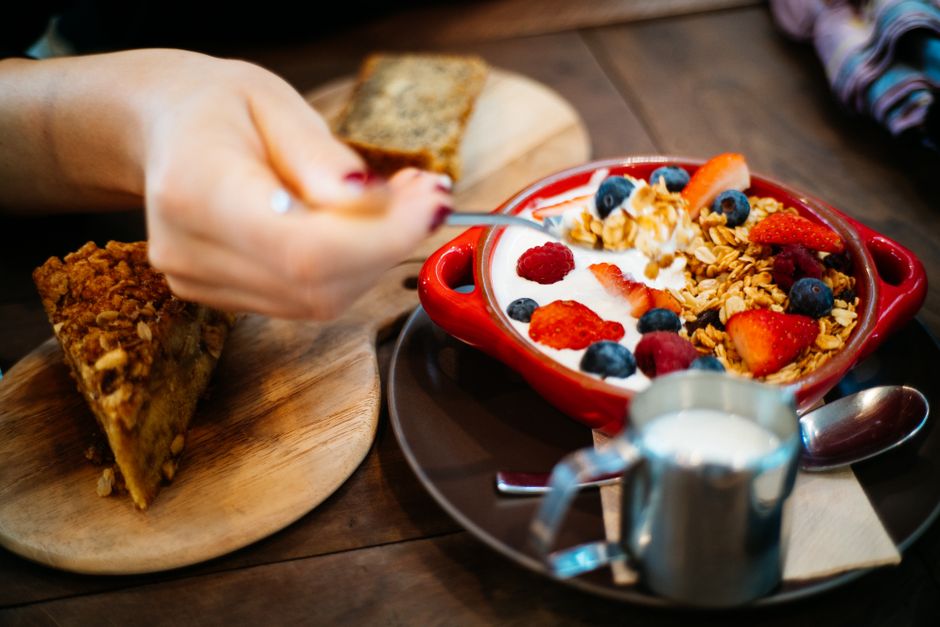
Dairy: Full-fat dairy works fine. Hard cheeses like cheddar, parmesan, and gouda have almost no carbs. Cream cheese and mascarpone are very low. Greek yogurt and cottage cheese run around 5 to 8 net carbs per half cup and fit if you’re at the higher tolerance end. Milk itself has about 12 grams of carbs per cup, so it’s out for most people. Sweetened yogurts, flavored creamers, and low-fat dairy (often loaded with added sugar) are traps.
Nuts and seeds: High-fat and nutrient-dense, but portions matter.
| Nut/Seed | Net Carbs per 1 oz | Notes |
|---|---|---|
| Macadamia nuts | 1.5g | Best keto nut |
| Pecans | 1.2g | Great in salads |
| Brazil nuts | 1.3g | Limit to 3-4 daily (selenium) |
| Walnuts | 2g | High in omega-3 |
| Almonds | 3g | Easy to overeat |
| Pistachios | 5g | Watch portions |
| Cashews | 8g | Not ideal for strict keto |
| Pumpkin seeds | 1.3g | Good for snacking |
| Chia seeds | 1g | Excellent fiber |
| Sunflower seeds | 3.5g | Fine in moderation |
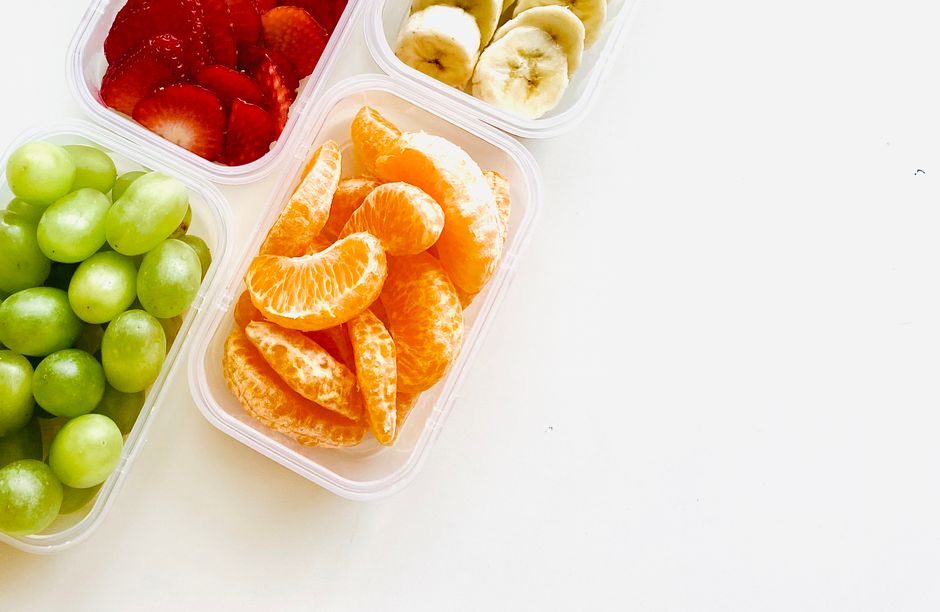
Fruits: Most fruit is too high in fructose for strict keto. Berries are the exception. Raspberries have about 3 net carbs per half cup. Blackberries run around 3.5 grams. Strawberries sit at about 4.5 grams. Blueberries are higher at around 9 grams per half cup, so track them. Avocado is a fruit and the keto hero. Olives are also fruits.
Skip bananas (25+ net carbs), mangoes, grapes, and dried fruits on strict keto.
Hidden carb sources:
- Ketchup: 4 grams per tablespoon
- Barbecue sauce: 9 to 12 grams per tablespoon
- Sweet chili sauce
- Many bottled salad dressings with added sugar
- Teriyaki and hoisin
- Some hot sauces with sweeteners
- Certain gums and mints
Read labels. Always.
How to Build a Keto Shopping List from Scratch
Sources
Here’s the practical step-by-step I walk new clients through before their first trip.
Step 1: Anchor meals around a protein. Pick three or four proteins for the week. Salmon fillets, ground beef, chicken thighs, and eggs cover a lot of ground and different price points.
Step 2: Choose two or three cooking fats. Butter, olive oil, and coconut oil handle nearly every scenario.
Step 3: Select four to six low-carb vegetables. Pick what you’ll actually cook. Spinach and broccoli work in most things. Zucchini roasts beautifully. Cauliflower becomes rice, mash, or pizza crust.
Step 4: Add flavor without carbs. Fresh herbs, garlic, lemon juice, vinegars, mustard, full-fat mayo, and spices (most are zero or near-zero carb) transform basic ingredients into real meals.
Step 5: Plan one or two keto-friendly snacks. Hard-boiled eggs, a small handful of macadamia nuts, cheese slices, or pork rinds keep you on track when hunger hits unexpectedly.
Step 6: Check your pantry first. You likely have olive oil, eggs, butter, and cheese already. Keto doesn’t require a full kitchen overhaul. It requires knowing what to reach for.
A digital kitchen scale removes all guesswork, especially with nuts and cheese where eyeballing leads to carb creep. (Disclosure: this site may earn a commission from qualifying Amazon purchases.)
Getting your food list right is the foundation that makes everything else easier: the energy, the fat loss, the mental clarity that keeps people coming back. You don’t need the same five meals every week. You just need to understand which ingredients work and build from there. Most of this comes with a few weeks of practice and actually reading labels. The learning curve is real, but it’s short, and what’s on the other side of it tends to be worth it.
Photo: Ninthgrid via Pexels