 Ryan Park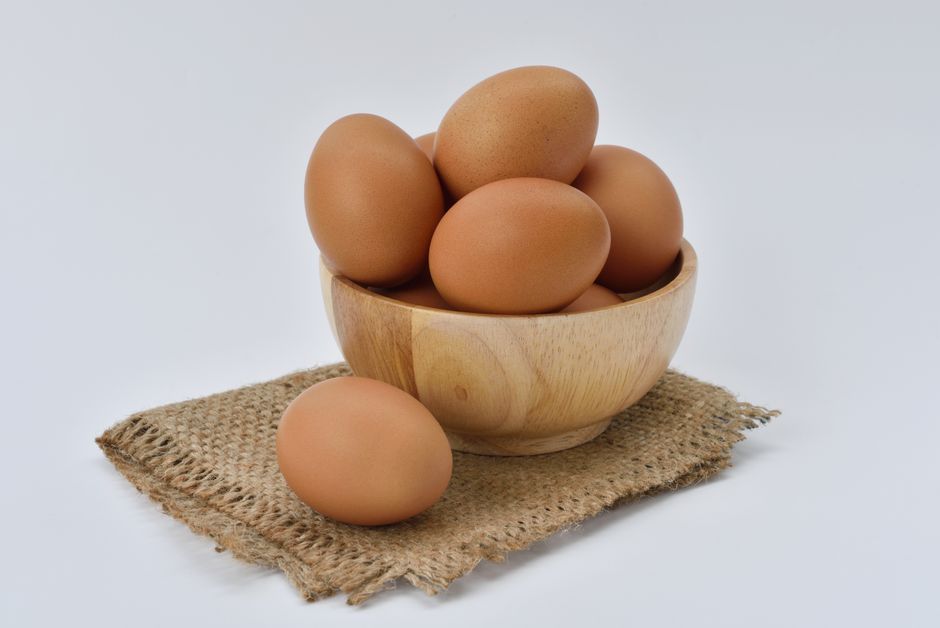
Eggs are the most underrated macro on keto. Not because people ignore them, but because most people stop at scrambled eggs and a pat of butter and call it a day, which means they’re leaving a genuinely versatile, cheap, and filling food doing about 10% of what it could.
I used to be dismissive of eggs as a “keto staple” because the advice around them felt so uninspired. Boil them. Fry them. Repeat until your will to live on this diet evaporates. But when I actually started treating eggs the way I’d treat any other protein, building real recipes around them rather than just cooking them and hoping for the best, everything shifted. My clients’ results shifted too.
Here’s what caught me off guard: the cooking method matters a lot for how long you stay full. A fat-cooked fried egg and a cloud egg made from the same ingredients behave differently in your stomach, and that’s not placebo. The protein structure changes with heat and technique, and some preparations actually keep people fuller for longer.
The Egg-Fast Egg Salad That Actually Works
Most keto egg salad recipes are either watery disasters or mayonnaise bombs with nothing going for them. The version I come back to constantly uses a 2:1 ratio of Duke’s mayonnaise to Dijon mustard (Duke’s specifically, because it has no added sugar and a higher fat content than Hellmann’s), plus a technique most people skip: letting the chopped eggs sit on a paper towel for five minutes before mixing. It sounds fussy. It works.
Six hard-boiled eggs, three tablespoons Duke’s, one and a half tablespoons Dijon, a pinch of celery salt, a few drops of apple cider vinegar, and fresh dill if you have it. Mix until it just comes together. Don’t overwork it or you’ll get paste. Macros land around 4g net carbs for the entire batch, and it keeps for three days in a sealed container.
One thing: serve it on butter lettuce, not low-carb wraps. Most low-carb tortillas on the market are 5-7g net carbs and have a texture that fights everything else in the dish. Butter lettuce is zero carbs and it actually works.
Baked Egg Dishes for Meal Prep
This is where eggs really earn their reputation. Baked egg dishes hold up in the fridge, reheat without turning to rubber if you don’t overcook them initially, and can carry a week’s worth of breakfasts without feeling repetitive.
My standard is a 9x13 bake: twelve eggs, half a cup of heavy cream, two cups of chopped spinach (squeeze the water out aggressively, or the whole thing gets soggy), a cup of cooked Italian sausage, and whatever cheese you have on hand. Bake at 350°F for about 28-30 minutes, until the center is just barely set. Cut into eight pieces. Each piece is roughly 1g net carbs and close to 25g of protein, depending on your sausage.
What I’d warn against: adding vegetables without cooking them first. Raw zucchini, raw onion, raw peppers, they all release water as they cook and will make your egg bake weep liquid and separate. Saute everything ahead. It takes ten extra minutes and completely fixes the texture problem.
For containers, I use these Prep Naturals glass meal prep containers because the egg bake slices don’t absorb odors the way they do in plastic. That’s a small thing that matters a lot by day three. (Disclosure: this site may earn a commission on qualifying purchases.)
The Techniques Most People Haven’t Tried
Keto Diet Explained! Quick and Easy Rules of the Keto Diet · Dr. Boz [Annette Bosworth, MD] on YouTube
| Egg Preparation Method | Cooking Temp/Time | Approximate Net Carbs | Approximate Protein | Key Benefit |
|---|---|---|---|---|
| Egg Salad (6 eggs + mayo/mustard) | N/A | 4g (batch) | Varies | Long shelf life, portable |
| Baked Egg Dish (9x13, 8 servings) | 350°F, 28-30 min | ~1g per slice | ~25g per slice | Meal prep friendly, reheats well |
| Shakshuka (2 servings) | Simmer + bake | <8g | Varies | Satisfying, flavor-forward |
| Cloud Eggs (per serving) | 450°F, 6 min | Minimal | Varies | Breaks monotony, different texture |
| Sous Vide Eggs | 145°F, 45 min | Minimal | Varies | Unique creamy texture |
Shakshuka is keto-friendly and almost nobody in the low-carb community talks about it. A base of canned crushed tomatoes (watch your brand, Muir Glen has about 5g net carbs per half-cup), olive oil, garlic, cumin, smoked paprika, and a pinch of cayenne, simmered down until thick, then eggs cracked directly into the sauce and covered until just set. The whole pan is under 8g net carbs for two servings and it’s genuinely satisfying in a way that scrambled eggs aren’t.
Cloud eggs get a lot of Instagram attention. They deserve some of it. Separate your whites, whip them to stiff peaks, fold in a tablespoon of grated parmesan and some chives, pile them onto a parchment-lined sheet in nests, drop the yolks back in the center, and bake at 450°F for about six minutes. They don’t taste dramatically different from regular eggs. What they do is change the eating experience enough that it breaks monotony, which is a real problem on keto after the first few weeks.
Sous vide eggs are worth mentioning if you already own a circulator. At 145°F for 45 minutes, you get a texture that no stovetop method can replicate: barely-set whites and a completely creamy yolk. Add MCT oil to your egg dishes when using a circulator because the neutral fat blends in without overpowering the flavor. A quality MCT oil also adds a quick-burning fat that supports ketosis. The technique isn’t faster than pan-frying, but the result eats differently.
A Note on How Many Eggs Is Actually Too Many
Sources
- Prep Naturals glass meal prep containers
- MCT oil
- Pixabay
- here is genuinely mixed
The research here is genuinely mixed. Dietary cholesterol and cardiovascular risk have a more complicated relationship than the old “eggs are dangerous” narrative suggested. But “eat unlimited eggs with zero consideration” is also a stretch. Most studies on higher egg consumption show neutral or positive outcomes in metabolic markers for people without pre-existing lipid disorders. Individual responses vary significantly.
For most of my clients, two to four eggs a day is a reasonable and sustainable range. Some people do egg fasts eating six or more per day for short periods without issue. If you have familial hypercholesterolemia or you’re already managing high LDL, this is a conversation to have with your doctor before making eggs your primary protein.
Photo: Pixabay via Pexels
This article is for general informational purposes only and does not constitute medical or dietary advice. Always consult a licensed healthcare provider or registered dietitian before making significant changes to your diet, especially if you have a medical condition.