 Jake Torres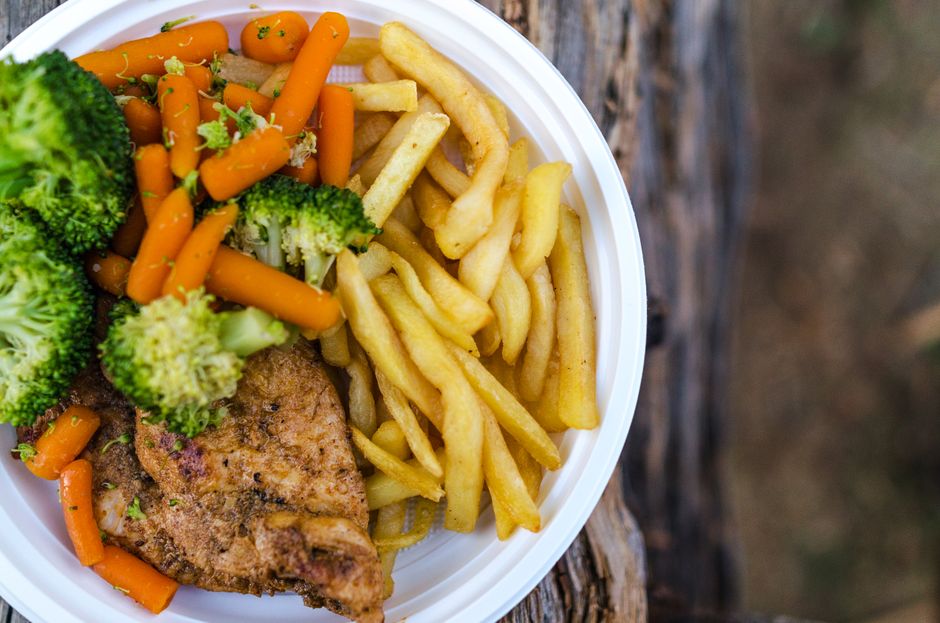
Most people quit keto at dinner. Not breakfast, when eggs are easy. Not lunch, when a salad feels virtuous. It’s 6pm, the family wants pasta, you’re staring at a block of cheese, and something breaks. I’ve watched this happen with dozens of clients. The plan doesn’t fail because keto is hard. It fails because nobody gave them real dinners that actually taste like dinner.
That’s what this is. Specific recipes, real food, and enough variety to survive past day five.
Why Dinner Is the Hardest Keto Meal (and How to Think About It Differently)
Breakfast on keto is almost too easy. Eggs, bacon, avocado, done. Lunch can be a salad with protein and olive oil. But dinner carries weight. It’s the meal you share. It’s comfort. It’s habit. Most people’s go-to dinners are pasta, rice, sandwiches, pizza, or tacos, and every single one is built around carbs.
Here’s the shift that makes keto dinner stick: stop thinking about what you’re removing and start thinking about what’s the star now. Protein and fat aren’t the supporting cast anymore. The ribeye is the meal. The crispy salmon skin matters. The butter-basted thigh isn’t guilty, it’s the point.
Once that clicks, dinner stops feeling like deprivation.
From a macronutrient angle, you’re targeting roughly 70% of calories from fat, 20-25% from protein, and 5-10% from carbs. For most people eating 2,000 calories a day, that’s around 20-50 grams of net carbs total. Dinner should stay under 10-15 grams to leave room for everything else. The recipes below hit that target.
6 Keto Dinner Recipes Worth Actually Making
These aren’t tricks to convince you cauliflower is pasta. They’re satisfying dinners that happen to be low-carb.
1. Garlic Butter Ribeye with Roasted Asparagus
A 12-oz ribeye in a cast iron skillet with 2 tablespoons of grass-fed butter, 3 crushed garlic cloves, and fresh thyme. Sear 3-4 minutes per side for medium-rare, then baste for the last 90 seconds. Serve with asparagus tossed in olive oil and roasted at 425°F for 12 minutes.
Net carbs: approximately 4g. Satisfaction: extremely high.
2. Crispy Chicken Thighs with Creamed Spinach
Pat bone-in, skin-on thighs completely dry. Season with salt, pepper, garlic powder, and smoked paprika. Cook skin-side down in an oven-safe skillet over medium-high for 10-12 minutes until the skin crisps, then flip and finish in a 400°F oven for 15 minutes. For the spinach: sauté shallots in butter, add a bag of baby spinach, then stir in 3 tablespoons of cream cheese and 2 tablespoons of heavy cream. Season with nutmeg and salt.
Net carbs: approximately 5g.
3. Zucchini Noodles with Italian Sausage and Marinara
Spiralize 2 medium zucchini. Salt them and let them sit in a colander for 20 minutes, then squeeze dry with a towel. This step matters or you get soup. Brown 3 sweet Italian sausage links (casings removed) with garlic and red pepper flakes in olive oil. Add half a cup of crushed San Marzano tomatoes. Toss the dry zucchini noodles in the hot pan for just 60 seconds. Finish with fresh basil and parmesan.
Net carbs: approximately 8g.
4. Sheet Pan Salmon with Broccoli and Lemon Tahini
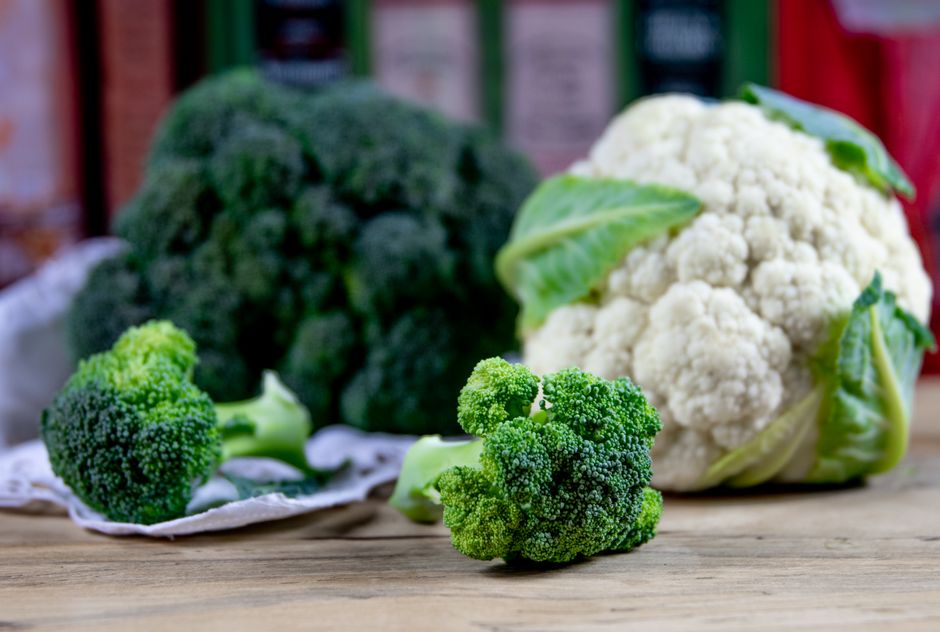
Place two 6-oz salmon fillets and 3 cups of broccoli florets on a sheet pan. Drizzle with avocado oil, salt, and pepper. Roast at 400°F for 18-20 minutes. While that cooks, whisk together 2 tablespoons of tahini, juice from one lemon, 1 grated garlic clove, a splash of water to thin, and salt. Drizzle over everything at the end.
Net carbs: approximately 9g. Sheet pan dinners are the keto cook’s best friend.
5. Ground Beef Taco Bowls (No Shell Required)
Brown 1 lb of 80/20 ground beef with homemade taco seasoning (cumin, chili powder, garlic powder, oregano, salt) and a splash of beef broth. Serve over shredded romaine or cauliflower rice with diced avocado, shredded cheddar, sour cream, and pico de gallo. Check pre-made pico for added sugar.
Net carbs: approximately 7g (using romaine, not cauliflower rice).
6. Pork Belly with Bok Choy and Ginger Soy Glaze
Slice pre-cooked pork belly into 1-inch pieces and sear in a dry pan until deeply caramelized, about 3-4 minutes per side. In the same pan, wilt halved bok choy in sesame oil. Glaze with 2 tablespoons of coconut aminos, 1 teaspoon of fresh ginger, 1 teaspoon of rice vinegar, and a few drops of liquid stevia. Toss everything together.
Net carbs: approximately 5g. Coconut aminos replaces soy sauce to reduce sodium and sugar.
How to Build a Keto Dinner Without a Recipe
The best skill is looking at your refrigerator at 6pm and constructing something reasonable without searching the internet. Here’s what I give all my clients:
| Component | What to Choose | Serving Size | Approx Net Carbs |
|---|---|---|---|
| Protein | Beef, pork, chicken, fish, lamb, eggs | 4-8 oz | 0g |
| Fat source | Butter, olive oil, avocado oil, cream, cheese | 1-3 tbsp | 0-1g |
| Low-carb vegetable | Zucchini, broccoli, spinach, asparagus, cabbage, cauliflower | 1-2 cups | 2-6g |
| Flavor layer | Garlic, herbs, citrus zest, spices, mustard | To taste | 0-2g |
| Optional finish | Parmesan, sour cream, fresh herbs, lemon juice | Small amount | 0-1g |
Pick one from each column and you have a keto dinner. It doesn’t need to be a recipe. Fat-forward, protein-centered, vegetables that don’t spike insulin. That’s it.
A kitchen scale makes this easier. Eyeballing 4 oz of salmon versus 8 oz changes your macros more than you’d think. Weigh your protein for the first few weeks until it becomes intuitive.
Step-by-Step: Meal Prepping Keto Dinners for a Full Week
Sunday prep isn’t glamorous. It’s the reason people succeed past week two.
Step 1: Pick three proteins. Rotate them across dinners. Buy enough for two dinners each. Chicken thighs, ground beef, and salmon works well.
Step 2: Cook proteins to 80% done. Season and cook chicken thighs until just cooked through, save the crisping for the night you eat them. Brown ground beef with basic seasoning but don’t add vegetables yet. Leave salmon raw and refrigerate.
Step 3: Prep two or three vegetables. Wash and cut broccoli into florets. Spiralize zucchini and salt-dry it in the fridge. Shred cabbage for slaws or stir-fries.
Step 4: Make one fat-rich sauce. A big batch of garlic butter (1 stick butter, 4 cloves garlic, parsley) or a creamy tahini dressing covers almost anything.
Step 5: Store everything in labeled containers. Glass meal prep containers are worth the investment because they reheat evenly and don’t absorb smells. Label each one with the protein and the date.
Monday night, dinner takes 10 minutes. The barrier that would’ve made you order pizza vanishes.
If energy crashes are hitting hard in the first two weeks, it’s probably electrolytes. Keto causes your kidneys to excrete more sodium, potassium, and magnesium. Add an electrolyte supplement without sugar (look for stevia-sweetened or unsweetened) to your evening water. It makes a real difference in how you feel while cooking and eating.
Common Keto Dinner Mistakes and How to Fix Them
Sources
Eating too lean. This is the biggest one. People terrified of fat choose 99% lean turkey, skip the olive oil, and wonder why they’re ravenous by 9pm. Keto works because fat is satiating. Don’t fight it. Use 80/20 beef. Cook your chicken in butter. Dress your vegetables generously.
Overcooking vegetables into mush. Soggy broccoli and waterlogged zucchini are texture problems, not taste problems. Roast vegetables at high heat (400-425°F) and don’t crowd the pan. Steam or sauté quickly on high. Texture makes low-carb vegetables actually enjoyable.
Relying on packaged keto foods. Keto bread, keto tortillas, and keto pasta are fine occasionally, but building dinners around them keeps you emotionally dependent on carb shapes. They’re expensive and loaded with sugar alcohols that upset some people’s digestion. Real food is cheaper and more effective.
Forgetting to season. Fat carries flavor, and fat needs salt. Under-seasoned keto dinners are why people think the diet is bland. Salt more aggressively than feels right. Add acid (lemon juice, vinegar) at the end to brighten everything.
Portion-creeping protein. Excess protein can be converted to glucose through gluconeogenesis, which can theoretically slow ketosis for some people. Practically, this rarely matters at normal protein intakes. But eating 16 oz of steak every night while confused about your ketones is worth examining. Aim for 0.7-1g of protein per pound of lean body mass.
Dinner shouldn’t be the meal that defeats you. With a formula instead of rules, a little Sunday prep, and a handful of recipes you actually like, keto evenings become the most satisfying part of eating. Start with one recipe this week. Cook it well. Then add another. That’s how sustainable habits get built, one good dinner at a time.
Photo: Lukas Blazek via Pexels