 Diana Walsh
You started keto on Monday. By Wednesday you feel like you got hit by a bus. Your head’s pounding, your legs are heavy, and you’re so foggy you had to read the same email three times. You’re ready to quit.
Before you do: what you’re experiencing has a name, it has a cause, and for most people, it passes within a week. The side effects of keto are real. They’re also largely manageable once you understand what’s actually happening inside your body.
What Keto Does to Your Body (And Why Side Effects Happen at All)
When you drop carbohydrates below roughly 20 to 50 grams per day, your liver starts converting fat into ketone bodies, primarily beta-hydroxybutyrate, acetoacetate, and acetone. Your brain and muscles begin running on those ketones instead of glucose. That transition, called keto-adaptation, takes anywhere from two to six weeks to complete.
Metabolic transitions aren’t smooth or painless. Insulin drops sharply when carbs are cut. Most people don’t realize insulin has a secondary job: it tells your kidneys to hold onto sodium. When insulin falls, your kidneys flush sodium aggressively, and water follows it out. You can lose two to five pounds of water weight in the first week, which sounds great until you realize that sodium and water loss drags other electrolytes down with it, particularly potassium and magnesium. That’s the origin story behind most keto side effects. It’s not the fat you’re eating. It’s the minerals you’re losing.
Beyond electrolytes, your gut bacteria shift when the fiber and prebiotic content of your diet changes dramatically. Your thyroid may briefly downregulate T3 production as your body adjusts to lower carbohydrate availability. Your cortisol can tick upward temporarily. None of this means keto is dangerous. It means biology takes time to recalibrate.
The Keto Flu: Symptoms, Timeline, and What to Do About It
“Keto flu” is the informal umbrella term for the cluster of symptoms that hit during the first one to two weeks. The symptom list is long and legitimately unpleasant:
- Headache (often throbbing, behind the eyes)
- Fatigue and lethargy
- Brain fog and poor concentration
- Muscle cramps, especially in the calves at night
- Irritability
- Nausea
- Dizziness when standing up (orthostatic hypotension)
- Heart palpitations or a racing sensation
The palpitations one tends to scare people, and reasonably so. But in otherwise healthy individuals, this is almost always a potassium or magnesium deficit triggering minor electrical dysregulation. If you have a pre-existing heart condition, talk to your doctor before starting keto. For everyone else, addressing electrolytes usually resolves it within 24 to 48 hours.
Step-by-Step Electrolyte Protocol for Keto Flu Relief
| Electrolyte | Daily Target | Best Food Sources | Supplement Form | Notes |
|---|---|---|---|---|
| Sodium | 3,000-5,000 mg | Broth, salted foods | Electrolyte packets (e.g., LMNT) | 1,000 mg per packet, no sugar |
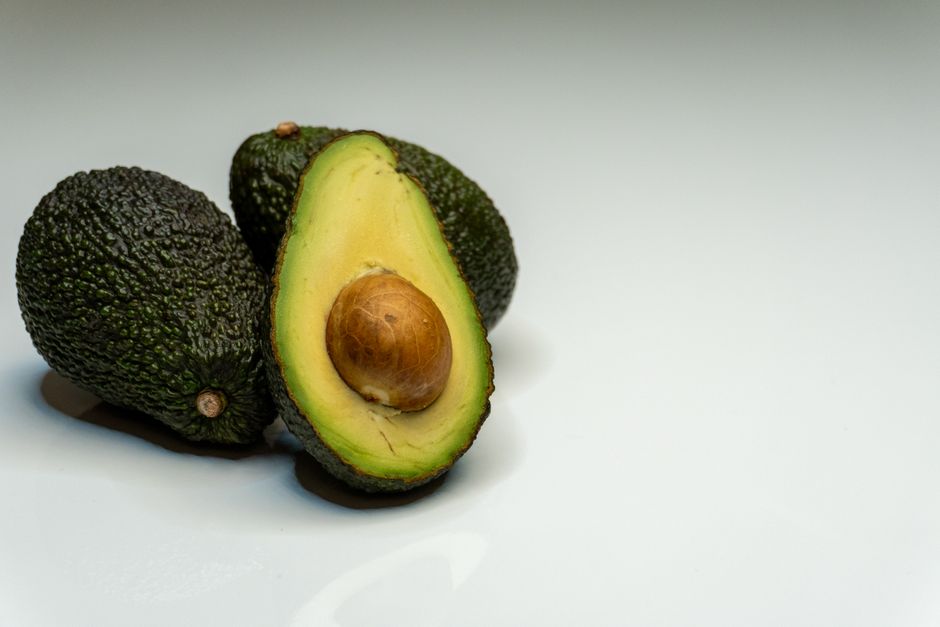
| Potassium | 3,500-4,700 mg | Avocados (~700 mg each), leafy greens, salmon | Potassium chloride or citrate | Max 3,500 mg from supplements alone |
| Magnesium | 300-500 mg | Above-ground vegetables | Magnesium glycinate or malate | Most absorbable forms, least GI upset |
| Hydration | To thirst, lean toward more | Water | - | Target: pale yellow urine |
- Sodium: Target 3,000 to 5,000 mg per day from food and supplementation. Salt your food aggressively. Drink a cup of broth (chicken, beef, or bone broth) once or twice daily. A quality electrolyte supplement like LMNT provides 1,000 mg sodium per packet without sugar, which makes it easy to hit targets. (This site may earn a commission on qualifying purchases.)
- Potassium: Aim for 3,500 to 4,700 mg daily. Avocados (one medium avocado has around 700 mg), leafy greens, and salmon are your best food sources on keto. If you’re using a supplement, look for potassium chloride or potassium citrate, staying under 3,500 mg from supplements alone.
- Magnesium: Shoot for 300 to 500 mg per day. Magnesium glycinate or malate are the most absorbable forms with the least digestive upset. Doctor’s Best High Absorption Magnesium is a solid option I’ve recommended to dozens of clients. (This site may earn a commission on qualifying purchases.)
- Hydration: Drink to thirst, but lean toward more than you think you need. A pale yellow urine color is your target. Dark yellow means you’re behind. Clear means you may be over-diluting and flushing electrolytes faster.
- Carb timing: Some people find that a slow reduction to keto, dropping from say 150 grams to 100 grams to 50 grams over two weeks, produces a milder transition than going cold turkey. This isn’t necessary for everyone, but if you’ve tried full keto before and crashed hard, it’s worth considering.
Digestive Side Effects: Constipation, Diarrhea, and Everything Between
THE KETOGENIC DIET: Science Behind Low Carb Keto for Fat Loss, Muscle & Health · Jeff Nippard on YouTube
Your gut is going to have opinions about keto. Which opinion it expresses depends on what your previous diet looked like.
Constipation is common when people cut out grains and fruits without replacing their fiber. Magnesium deficiency worsens it. Load up on fibrous above-ground vegetables (broccoli, zucchini, asparagus, leafy greens), consider a tablespoon of psyllium husk daily, and make sure your magnesium intake is where it needs to be. Adequate fat intake also keeps things moving; constipation sometimes shows up in people who went low-carb but are still fear eating fat.
Diarrhea is the opposite problem, and it shows up more often than people expect. Adding large amounts of MCT oil or heavy cream quickly can overwhelm your digestive system. MCT oil in particular, start with half a teaspoon and work up over two weeks rather than dumping a tablespoon into your coffee on day one. Sports Research MCT Oil comes with a graduated pump that makes dosing easy. (This site may earn a commission on qualifying purchases.)
Gallbladder issues can also surface in people who had a low-fat diet before keto. Rapid increase in dietary fat can trigger gallstone discomfort or, in some cases, a gallbladder attack. If you experience severe upper right abdominal pain on keto, don’t brush it off as a side effect. See a doctor.
Mood, Sleep, and Mental Performance Changes
The brain runs surprisingly well on ketones, and many people report sharper focus and more stable energy once keto-adapted. Getting there is a different story.
Expect some irritability in the first week. Blood sugar stability improves long-term on keto, but the transition involves real glucose withdrawal, especially if you were eating a high-carb diet. Serotonin synthesis depends partly on carbohydrate intake, and you may notice mood dips in weeks one and two. I’ve seen clients who normally describe themselves as patient become genuinely short-tempered during the first ten days. It passes.
Sleep often gets weird before it gets better. Some people report insomnia during keto adaptation. This may be related to lower carbohydrate’s effect on sleep onset (carbs raise tryptophan availability, which feeds into melatonin production) and potentially elevated cortisol. Keeping carb intake on the higher end of keto range, say 40 to 50 grams, in the evening rather than frontloading all carbs in the morning can help with sleep. Magnesium glycinate before bed also supports sleep quality directly.
Mental performance, memory and processing speed, can feel impaired during the transition. Ketones don’t cross the blood-brain barrier as efficiently as glucose until the brain upregulates the monocarboxylate transporters needed to pull them in. Give it two to three weeks before you judge cognitive performance on keto.
Long-Term Side Effects Worth Taking Seriously
Most keto side effects are front-loaded in the first few weeks. But there are a handful of longer-term issues that deserve honest attention.
LDL cholesterol changes: Some people see LDL rise substantially on keto, particularly a subset called LDL-P (particle number) or small dense LDL. This isn’t universal; many people see LDL stay stable or drop, while HDL rises and triglycerides fall. If you’re doing keto long-term, get a lipid panel that includes an LDL particle number test (NMR lipoprofile) at your three-month mark. Don’t fly blind.
Bone density: High protein intake without adequate calcium, and the magnesium losses from ketosis, may affect bone over the long term. If you’re in keto for the long haul, eat calcium-rich foods (sardines with bones, full-fat dairy if you tolerate it) and consider a DEXA scan after a year or two.
Kidney stones: Higher uric acid levels and changes in urinary pH may increase kidney stone risk in some people, particularly those with a history of stones. Staying well hydrated is the primary prevention strategy here.
Muscle mass: Keto isn’t inherently muscle-wasting, but if your protein intake is too low and your caloric deficit is too large, you’ll lose lean mass. You need to be deliberate about hitting 0.7 to 1.0 grams of protein per pound of lean body mass, especially if you’re training. A food scale matters here; OXO Good Grips Digital Scale makes tracking portion sizes easy without making cooking miserable. (This site may earn a commission on qualifying purchases.)
Side Effects That Signal You Should Pause and Talk to a Doctor
Sources
- LMNT
- Doctor’s Best High Absorption Magnesium
- Sports Research MCT Oil
- OXO Good Grips Digital Scale
- Andrea Piacquadio
Keto isn’t appropriate for everyone, and some symptoms aren’t “just the keto flu.” Stop and seek medical advice if you experience:
- Persistent heart palpitations that don’t improve after electrolyte correction within 48 hours
- Severe abdominal pain, particularly upper right quadrant (possible gallbladder involvement)
- Vomiting or inability to keep food down for more than 24 hours
- Fruity breath accompanied by confusion or rapid breathing (this is a rare but serious condition called diabetic ketoacidosis in people with Type 1 diabetes; nutritional ketosis in healthy individuals is not the same thing, but the symptom cluster warrants attention)
- Extreme weakness or muscle pain, especially in the low back (could indicate electrolyte or kidney issues)
People with Type 2 diabetes on medications that lower blood sugar, particularly SGLT-2 inhibitors or sulfonylureas, should not start keto without medical supervision. Keto lowers blood glucose substantially on its own; combining that with medication can produce dangerous hypoglycemia.
The first two weeks of keto are the roughest part for most people. They’re also the most predictable. Fix your electrolytes early, be patient with your digestion, don’t expect peak cognitive performance while your brain is still building the machinery to burn ketones, and keep an eye on the longer-term metrics if you plan to stick with this way of eating for months or years. Keto has real benefits for a lot of people. It also has real side effects that deserve honest conversation rather than being dismissed or, equally, used to scare people away from trying. Know what’s coming, have a plan, and you’re already ahead of most beginners.
Photo: Andrea Piacquadio via Pexels