 Mark Chen
For a long time, the conversation around ketogenic diets and mental health lived in a corner of the internet populated by biohackers and testimonial threads. Researchers were skeptical, psychiatrists were largely uninterested, and anyone suggesting that what you eat could move the needle on serious depression was easy to dismiss. That’s changing fast, and a paper published in JAMA Psychiatry on February 4, 2026 is probably the single biggest reason why.
What the JAMA Psychiatry Trial Actually Found
| Metric | Keto Group | Plant-Based Control Group |
|---|---|---|
| Improvement on 27-point depression scale (6 weeks) | 10.5 points | 8.3 points |
| Real-world clinically meaningful improvement rate | 71% | - |
| Real-world full remission rate (PHQ-9 < 5) | 47% | - |
I’ll be honest: when I first heard that a randomized clinical trial was comparing keto to a plant-based control diet for treatment-resistant depression, I expected the results to be modest, probably within the noise. They weren’t, quite.
The Oxford-led trial found that participants on the ketogenic diet improved by 10.5 points on a 27-point depression scale over 6 weeks. The plant-based control group improved by 8.3 points. That’s a real difference, but it’s worth sitting with what it means. Both groups improved substantially, which tells you something about structured dietary intervention in general. The keto group just improved more. The researchers concluded the diet “may be effective as an adjunctive treatment for treatment-resistant depression,” which is careful, appropriate scientific language, not a cure claim.
Treatment-resistant depression, for context, means people who haven’t responded adequately to at least two antidepressant trials. This is a population that has limited options and real suffering attached to that. Dietary interventions in this group have historically gotten almost no serious research attention, which is part of why this trial matters even if the effect size isn’t enormous.
The Mechanism That’s Driving Scientific Interest
What surprised me most, digging into this, is that the mechanism researchers are pointing to isn’t mood chemicals. It’s energy metabolism.
The working hypothesis is that ketones, specifically beta-hydroxybutyrate, serve as an alternative fuel source for brain cells that have become impaired in their ability to use glucose efficiently. Glucose hypometabolism and mitochondrial dysfunction are increasingly implicated in the pathophysiology of major depressive disorder, particularly in people whose depression doesn’t respond to standard treatment. If your neurons can’t efficiently run on glucose, giving them a different energy substrate might allow them to function better.
This isn’t a fringe idea anymore. The Delphi consensus paper published in Frontiers in Nutrition in January 2026, authored by researchers from Harvard, Stanford, and the University of Edinburgh, formalized best-practice guidelines for using what they’re calling “ketogenic metabolic therapy” (KMT) in serious mental illness. The fact that those institutions put their names on a consensus document about this signals a meaningful shift in how the field is treating the underlying science.
Dr. Shebani Sethi at Stanford Medicine has been doing the hardest work of building credibility here. Her team’s earlier pilot trial showed a 31% average improvement on clinical global impression scores across patients with schizophrenia and bipolar disorder. That pilot work helped justify the larger trials now underway.
Real-World Numbers Versus Clinical Trial Conditions
Clinical trials are controlled environments. People get support, monitoring, and accountability that most people don’t have access to. So real-world outcomes often look softer than trial results.
What’s interesting is that the real-world data coming out of structured ketogenic programs is actually holding up reasonably well. A 2026 report from the Institute of Ketogenic Research and Therapy found that 71% of participants in their mental health program achieved clinically meaningful improvement in depression, and 47% reached full remission, defined as a PHQ-9 score below 5. Those are striking numbers, though it’s important to note this is a self-selected population enrolled in a dedicated program, not a random sample of people who tried keto from a YouTube video.
The gap between a dedicated program and doing this on your own matters enormously. Ketogenic diets have a real adherence problem. The first two to three weeks are genuinely rough for many people, and without support, most people abandon the diet before any potential therapeutic benefit has time to manifest. The Delphi consensus guidelines explicitly address this, recommending that KMT for psychiatric purposes be delivered with clinical monitoring and nutritional support rather than attempted independently.
What This Means If You’re Living With Treatment-Resistant Depression
I want to be careful here, because this is where enthusiasm can outrun the evidence.
The JAMA Psychiatry trial is significant, but it’s one randomized trial. Six weeks is a short follow-up period for a condition that often waxes and wanes over months and years. We don’t yet have strong data on whether benefits persist, whether they’re sustainable alongside medication, or which subgroup of patients is most likely to respond. The Delphi consensus paper is genuinely useful because it starts to answer the “how would we even do this responsibly” question, but the field is still early.
That said, “early” doesn’t mean “not worth considering,” especially for people who have already tried multiple antidepressants without adequate relief. If you’re in that situation, this is worth an actual conversation with a psychiatrist or a physician who understands metabolic approaches. That conversation should include your current medications, because some psychiatric medications require careful monitoring when a patient enters ketosis, and electrolyte and metabolic changes need to be tracked. This is not a diet to try casually as a workaround for a prescription.
The practical reality is also that a ketogenic diet is restrictive, expensive relative to a standard diet in many contexts, and harder to sustain socially. For someone already struggling with depression, those barriers are real. Acknowledging that isn’t defeatism; it’s just being honest about what the research shows works versus what people can actually do without significant support infrastructure.
Why ‘Metabolic Psychiatry’ Is Having Its Moment
The broader frame here is a shift in how psychiatry is starting to conceptualize certain mental illnesses, not as purely neurochemical disorders addressable only through drugs targeting serotonin or dopamine systems, but as conditions with a metabolic and mitochondrial dimension. That’s not a rejection of conventional psychiatry. It’s an expansion of it.
The convergence of the JAMA Psychiatry trial, the Harvard-Stanford-Edinburgh consensus guidelines, and Stanford’s clinical program infrastructure all in early 2026 feels like a genuine inflection point, as reported by U.S. News and World Report following the trial’s publication. Whether this turns into standard-of-care recommendations over the next five to ten years depends on whether larger and longer trials replicate what we’re seeing now.
The honest answer is we don’t know yet. But the question has moved from “is this worth studying?” to “how do we study it properly?” That’s not a small thing.
Sources
- Keto Diet a Potential Treatment for Depression, Trial Shows (February 6, 2026)
- Awareness and Best Practices in Using Ketogenic Therapy to Treat Serious Mental Illness: A Modified Delphi Consensus (January 19, 2026)
- How Far We’ve Come: Ketogenic Therapy for Mental Health in 2026 (June 2026)
- Pilot Study Shows Ketogenic Diet Improves Severe Mental Illness (April 1, 2024)
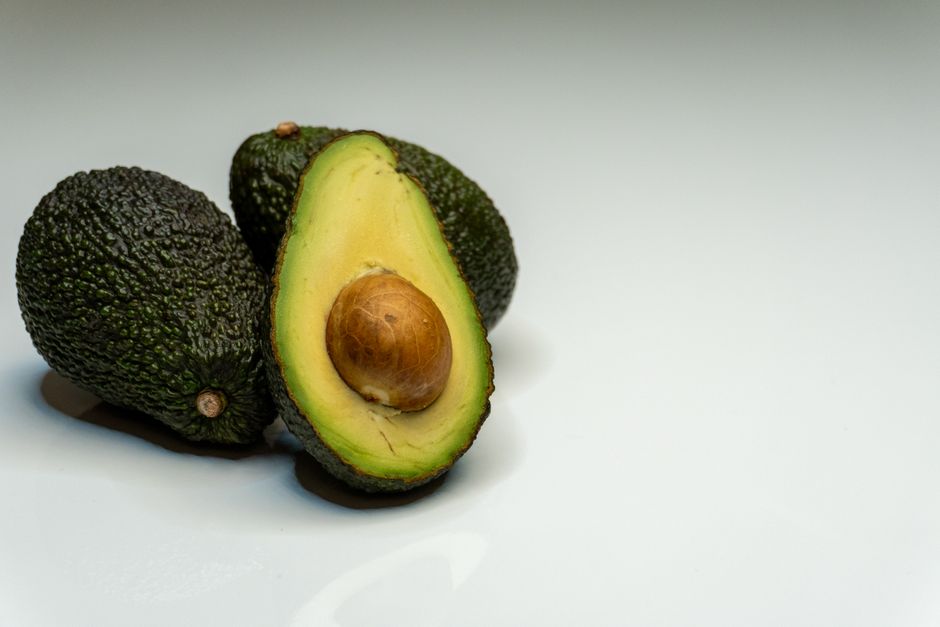
Photo: Zulfugar Karimov via Pexels
This article is for general informational purposes only and does not constitute medical or dietary advice. Always consult a licensed healthcare provider or registered dietitian before making significant changes to your diet, especially if you have a medical condition.