 Dr. Sarah Mitchell
Most people who start keto have already read approximately seventeen articles about it. They know the 70/25/5 macro split. They’ve heard about ketosis. And yet, within three weeks, they’re eating Cheez-Its at 11pm and wondering what went wrong. I’ve seen this pattern so many times that I’ve stopped blaming the person and started blaming the explanation they were given.
The standard “keto science” write-up tells you what happens but not why it actually matters for you, or where the mechanism is genuinely unclear. That gap is where most people get tripped up. So let me give you the more honest version.
What your body is actually doing when it runs on ketones
| Ketone Level (mmol/L) | Nutritional State | Key Characteristics |
|---|---|---|
| 0.5-1.5 | Light Ketosis | Minimal ketone production; may not trigger full appetite suppression or metabolic benefits |
| 1.5-3.0 | Nutritional Ketosis | Therapeutic range for most documented benefits; appetite suppression and insulin sensitivity improvements most pronounced |
| 3.0+ | Deep Ketosis | Higher ketone availability; typically achieved after several weeks of adaptation |
| 0.0-0.5 | Pre-Ketosis | Insufficient carbohydrate restriction; physiological state similar to fed metabolism |
Your liver has been making ketones your entire life. Small amounts, usually while you sleep, when glycogen stores dip overnight. What keto does is extend and deepen that state by keeping carbohydrate intake low enough (typically under 20-50g net carbs daily) that your liver ramps up ketone production significantly.
The three ketone bodies are beta-hydroxybutyrate (BHB), acetoacetate, and acetone. BHB is the main one that circulates in blood and gets used as fuel. It crosses the blood-brain barrier easily, which is part of why a lot of people report that surprisingly clear-headed feeling after the first couple weeks. That’s real. The brain runs well on BHB.
Here’s something most people don’t realize: ketosis is not a binary switch. You can have blood ketones at 0.5 mmol/L (the low end of nutritional ketosis) or at 3.0 mmol/L, and both technically count. The difference matters because a lot of the benefits researchers have documented, including appetite suppression and improved insulin sensitivity, are dose-dependent. Running at 0.6 mmol/L because you’re sneaking half a banana isn’t the same physiological state as running at 2.0 mmol/L. If you want to actually test where you are, blood ketone meters (the Keto-Mojo Gen 3 is around $60 and the strips are cheaper than most competitors) are far more accurate than urine strips, which become useless after the first few weeks of adaptation.
The insulin mechanism, and why it’s slightly oversold
The core claim is solid: when you eat very few carbohydrates, your blood glucose stays lower, insulin stays lower, and your body has far easier access to stored fat. This is real and well-supported. People with insulin resistance, type 2 diabetes, or metabolic syndrome often see dramatic improvements on keto, and the research backing this is genuinely strong. A 2022 analysis in Diabetes Care following nearly 300 patients with type 2 diabetes found that a ketogenic dietary intervention produced significantly greater reductions in HbA1c than standard low-fat advice at 12 months.
Where I think keto advocates oversell it: the “metabolic advantage” claim, the idea that a calorie from carbohydrate is inherently more fattening than a calorie from fat, and that keto lets you eat unlimited fat and still lose weight. This is not what the controlled studies show. When researchers match protein and calories in metabolic ward studies, the fat loss difference between low-carb and low-fat diets essentially disappears. Keto works for weight loss primarily because it reduces appetite (through ketone-mediated effects on hunger hormones like ghrelin and, importantly, through high protein intake) and because it eliminates a large category of hyper-palatable foods. Not because of some special metabolic magic that overrides energy balance.
I’ve had clients who genuinely believed they could eat 3,500 calories of cheese, salami, and fat bombs daily and lose weight because “insulin is low.” They didn’t.
Fat adaptation: the part nobody explains properly
Keto Diet Theory Put to the Test · NutritionFacts.org on YouTube
The “keto flu” is real and it lasts roughly 3-14 days for most people. Fatigue, brain fog, irritability, sometimes headaches. A lot of this is electrolyte loss, not fat adaptation itself. When insulin drops, your kidneys excrete sodium much more aggressively, and magnesium and potassium follow. If you’re not replacing these, you’ll feel terrible regardless of how perfectly you’re eating.
The actual fat adaptation process, meaning the full upregulation of fat-burning enzymes and mitochondrial changes that let you perform athletically and cognitively on ketones, takes 4-12 weeks. This is longer than most people expect. At week two you might feel great. At week four during a hard workout you might feel like garbage again as your body recalibrates how it handles exercise intensity. This is normal. It’s not a sign keto isn’t working.
A practical note: sodium supplementation matters more than most keto content admits. Aim for 3-5g of sodium daily during adaptation, which is more than standard dietary advice and frankly more than feels intuitive. Something like LMNT packets (about $1.50 each, which adds up, but the sodium content is actually correct unlike most “electrolyte” drinks) or just salting your food aggressively and adding a cup of broth daily will make the transition dramatically more tolerable.
What the research actually shows keto is good for
This is where I want to be specific, because the benefit list online ranges from “helps with epilepsy” to “cures everything.” The evidence is not uniformly strong across all of those claims.
Strong evidence: ketogenic diet for drug-resistant epilepsy in children (this is where keto was developed, in the 1920s), blood sugar management in type 2 diabetes and pre-diabetes, short-to-medium term weight loss, and reduction in triglycerides and improvement in HDL cholesterol.
Promising but not definitive: PCOS symptom management (several smaller trials show real benefit), certain neurological conditions including Alzheimer’s (ongoing research, don’t overclaim this to patients or yourself), and some autoimmune conditions where carbohydrate reduction reduces inflammatory markers.
Genuinely unclear or mixed: long-term cardiovascular outcomes, performance in endurance athletes (highly individual), and whether the benefits at 5 years are better than a well-constructed Mediterranean diet. Honest answer: we don’t have great long-term RCT data on keto beyond 2 years in most populations.
LDL cholesterol specifically warrants a note. In some people, LDL rises significantly on keto, sometimes dramatically. Whether this is concerning depends on particle size and other markers, but it’s not something to dismiss. If your LDL jumps 50+ points, that’s a conversation to have with your doctor, not something to wave away because “saturated fat is fine now.”
Tracking, tools, and where people waste money
Sources
- Nadin Sh
- that surprisingly clear-headed feeling after the first couple weeks
- backing this is genuinely strong
- in Diabetes Care following nearly 300 patients with type 2 diabetes found that
- actually shows keto is good for
You don’t need a $400 continuous glucose monitor to do keto well. Most people don’t need to track ketones obsessively either. What you actually need: a food scale (the OXO Good Grips at around $50 is accurate and durable), a reliable way to log food (Cronometer is better than MyFitnessPal for micronutrient tracking and it’s free), and enough patience to cook real food most of the time.
Where people genuinely waste money is on keto specialty products. Exogenous ketone supplements (BHB salts, usually $60-80 a tub) do temporarily raise blood ketones but don’t put you in nutritional ketosis or meaningfully accelerate fat adaptation. The research on their performance benefits is thin. If you want to spend $70 a month on something keto-related, spend it on quality protein and good olive oil.
The science here is genuinely interesting, and the diet works for a lot of people. But it works because of specific mechanisms that have limits and trade-offs, not because someone cracked a secret code that the nutrition establishment is hiding. Understanding the actual biology, including where it’s messy and uncertain, is what lets you use it intelligently rather than just hoping for the best.
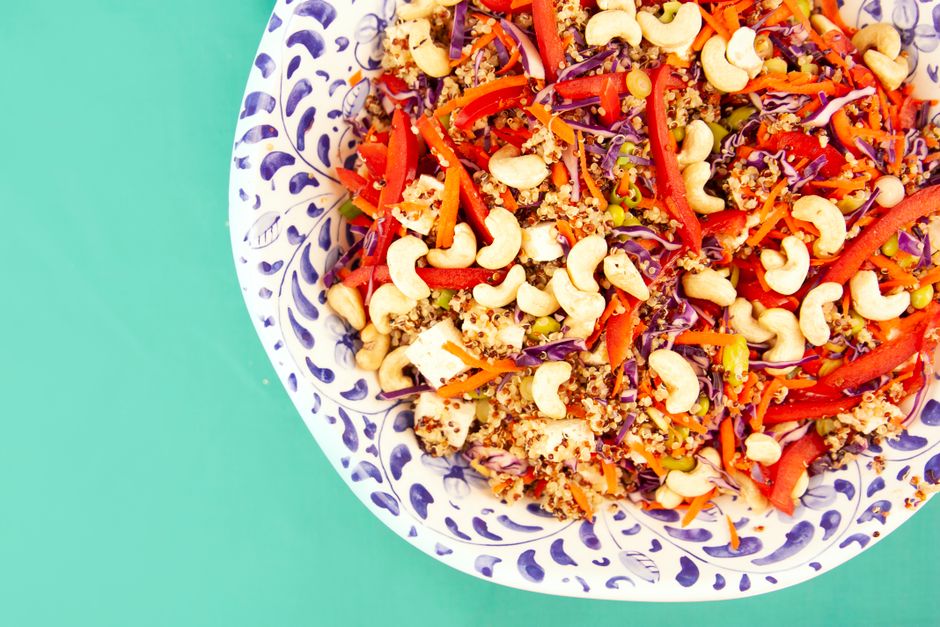
Photo: Nadin Sh via Pexels
This article is for general informational purposes only and does not constitute medical or dietary advice. Always consult a licensed healthcare provider or registered dietitian before making significant changes to your diet, especially if you have a medical condition.