 Ryan Park
Most people who try keto for 30 days lose somewhere between 2 and 10 pounds of actual fat. The number you’ll hear quoted everywhere is higher, and I’ll explain why that gap matters more than the headline figure.
I’ve worked with clients doing low-carb and ketogenic protocols for over a decade. In that time, I’ve kept rough notes on outcomes, watched the research evolve, and also made some embarrassing assumptions I later had to walk back. The 30-day mark is a genuinely interesting inflection point because it’s long enough to see real metabolic adaptation but short enough that most people are still in the honeymoon phase of the protocol. What actually happens in those four weeks is messier, more interesting, and more useful to understand than the before-and-after photos suggest.
The weight number that shows up on the scale at day 30 typically overstates fat loss by a factor of two or three, especially in the first two weeks. A 2021 systematic review in Nutrients analyzed 38 randomized controlled trials and found that initial rapid weight loss on very-low-carbohydrate diets (under 50g carbs/day) is predominantly water and glycogen depletion, not adipose tissue. The average glycogen-bound water released in the first week alone accounts for roughly 2 to 4 pounds in most people. That’s real weight, gone from your body, but it’s not the same thing as losing fat.
- Most 30-day keto weight loss is 2-10 lbs of actual fat; scale loss looks bigger due to water weight
- The keto flu hits days 2-5 for roughly 25% of new adopters; electrolytes cut severity significantly
- LDL cholesterol often rises in the first 30 days, especially in lean individuals; monitor it
- Ketosis typically kicks in at 20-50g net carbs/day, but adaptation to fat-burning takes 3-4 weeks
- Blood sugar and insulin improvements appear reliably within 30 days in people with insulin resistance
What the Scale Actually Shows Week by Week
Here’s how a typical month breaks down, based on aggregated data from the Virta Health 2018 clinical trial (which tracked over 200 patients in real-time metabolic panels) and my own clinical records:
| Week | Typical Scale Loss | Estimated Fat Loss | Primary Driver |
|---|---|---|---|
| Week 1 | 4–8 lbs | 0.5–1 lb | Glycogen depletion, water loss |
| Week 2 | 1–3 lbs | 0.75–1.5 lbs | Ketosis establishing, appetite suppression starting |
| Week 3 | 0.5–2 lbs | 0.75–1.5 lbs | Fat oxidation, some water fluctuation |
| Week 4 | 0.5–2 lbs | 0.75–1.5 lbs | Fat loss, possible stall as cortisol normalizes |
| Total | 6–15 lbs | 2.75–5.5 lbs | , |
What surprises most clients when I show them this breakdown: they feel like the diet stopped working in weeks three and four, when in fact that’s when actual fat loss is most consistent. Week one is dramatic but metabolically shallow. Week three, when someone is staring at a half-pound loss, is often when genuine adaptation is happening.
The Keto Flu Is Real, and Electrolytes Are Not Optional
I’ll be honest: for years I underestimated how disruptive the transition period is for people who go cold-turkey on carbs. A 2019 paper in Frontiers in Nutrition reported that approximately 25% of people initiating a ketogenic diet experience notable symptoms in the first week, including headache, fatigue, brain fog, irritability, and muscle cramps. These get lumped together as the “keto flu.”
The mechanism isn’t mysterious. When insulin drops, the kidneys excrete sodium more aggressively. Sodium loss pulls potassium and magnesium with it. Within 48 to 72 hours, electrolyte depletion is the primary driver of symptoms, not some inherent toxicity of the metabolic shift.
The fix is specific: 2,000 to 3,000mg of additional sodium daily, around 1,000mg of potassium (typically from foods like avocado and leafy greens rather than supplements, since high-dose potassium supplementation carries cardiac risk), and 300 to 400mg of magnesium glycinate or malate at night. I’ve watched clients skip the magnesium and then email me four days in saying the diet is impossible. Add the magnesium. LMNT is the product I’ve seen clients stick with most consistently at around $1.50 to $2.00 per packet, though plain salt in water works fine and costs almost nothing.
A client I worked with in late 2025 (Sarah, a teacher from Portland) had failed two previous keto attempts. Both times she quit by day five with crushing headaches. Third attempt, we front-loaded her sodium by adding salted bone broth twice daily for the first week. She cleared the transition without a single bad day. Sometimes the difference between “keto doesn’t work for me” and “keto works” is just a salt shaker.
What the Research Actually Shows About 30-Day Health Markers
This is where things get genuinely interesting and where I want to push back on both the keto evangelists and the keto skeptics.
What reliably improves in 30 days: triglycerides drop significantly and quickly. The Virta Health study showed triglyceride reductions averaging 24% at 10 weeks, and a meaningful portion of that improvement is visible by week four. Fasting blood glucose drops in people who start with elevated levels. HbA1c doesn’t move much in 30 days (it reflects a 3-month average), but fasting insulin often drops measurably. HDL cholesterol tends to rise modestly over 30 days.
What surprises people is the LDL picture. I thought for a long time that keto was broadly favorable for LDL. The research here is genuinely mixed. A subset of people, often called “lean mass hyper-responders,” see dramatic LDL increases on keto: a 2022 paper in Metabolites described cases where LDL-C rose above 200 mg/dL in individuals who were already lean and metabolically healthy before starting. The mechanism is still debated. If you’re checking lipids at day 30 and your LDL has jumped sharply, don’t panic, but don’t ignore it either. Get a deeper panel (LDL particle count, not just LDL-C) and talk to a clinician.
As of July 2026, the general consensus in nutrition research is that 30 days of keto produces reliable short-term metabolic benefits in people with insulin resistance or metabolic syndrome, more variable results in already-metabolically-healthy individuals, and essentially no magic beyond calorie control in the long run. That last part irritates a lot of keto advocates, but it’s where the data keeps landing.
What Actually Determines Your 30-Day Results
Three factors explain most of the variance I’ve seen across clients:
Starting metabolic status matters enormously. Someone with a fasting glucose above 100 mg/dL and a triglyceride-to-HDL ratio above 3.0 will almost always see striking improvements in 30 days. Someone who is already metabolically lean and healthy may feel fine but won’t see dramatic biomarker shifts.
Calorie intake is the variable people want to ignore. Keto suppresses appetite through ketone production and reduced insulin-driven hunger signaling. The 2021 Nutrients review found that ad libitum (eat-until-full) ketogenic diets produced an average spontaneous calorie reduction of roughly 500 calories per day compared to baseline, without intentional restriction. That’s a real mechanism, not willpower. But if you’re eating a pound of cheese and a jar of almond butter every day, you can absolutely stall on keto.
Sleep and stress interact with everything. Cortisol impairs ketosis by raising blood glucose. I’ve had clients with perfect macros who stalled at week three, and when we dug into it, they were sleeping five hours a night. This is not unique to keto, but the protocol isn’t a workaround for chronic stress.
Worked examples from my practice:
Client with Type 2 diabetes, starting A1c 7.8%, 30 days strict keto (under 20g net carbs) → fasting glucose dropped from 168 mg/dL to 112 mg/dL, scale weight down 11 lbs (roughly 4 lbs estimated fat, 7 lbs water/glycogen).
Client who was already at a healthy BMI, starting keto for “clarity and energy” → felt noticeably better by day 10, scale weight down 3 lbs, lipids essentially unchanged, returned to a moderate low-carb approach (under 100g carbs) long-term.
Sources
- [Virta Health clinical trial (Hallberg et al., 2018)]: Prospective study tracking metabolic markers in 262 patients on a continuous remote care ketogenic intervention, published in Diabetes Therapy.
- [Nutrients (2021) systematic review]: Meta-analysis of 38 RCTs examining weight and metabolic outcomes on very-low-carbohydrate diets; found average spontaneous calorie deficit of ~500 kcal/day.
- [Frontiers in Nutrition (2019)]: Documented prevalence and symptom profile of “keto flu” in ketogenic diet initiates; approximately 25% reported significant symptoms in week one.
- [Metabolites (2022)]: Described the “lean mass hyper-responder” phenotype with elevated LDL-C on ketogenic diets in metabolically healthy individuals.
- [Journal of the Academy of Nutrition and Dietetics (2020)]: Comparative review of low-carbohydrate vs. low-fat diets for weight loss; found equivalent long-term outcomes when calories are controlled.
If you’re tracking your own results carefully, a good kitchen scale (I use the OXO Good Grips at around $50) and a basic blood glucose monitor will tell you more about your actual progress than the bathroom scale alone. A box of ketone urine strips (Ketostix run about $10 for 50) won’t give you precise readings, but they’ll confirm you’re in the right zone during the first two weeks. (Disclosure: this site may earn a commission on purchases through product links.)
Thirty days is genuinely enough time to know whether keto is working for you physiologically. It’s not enough time to know whether it’s sustainable, or whether the results hold at six months. That’s a different question, and one the 30-day photos don’t answer.
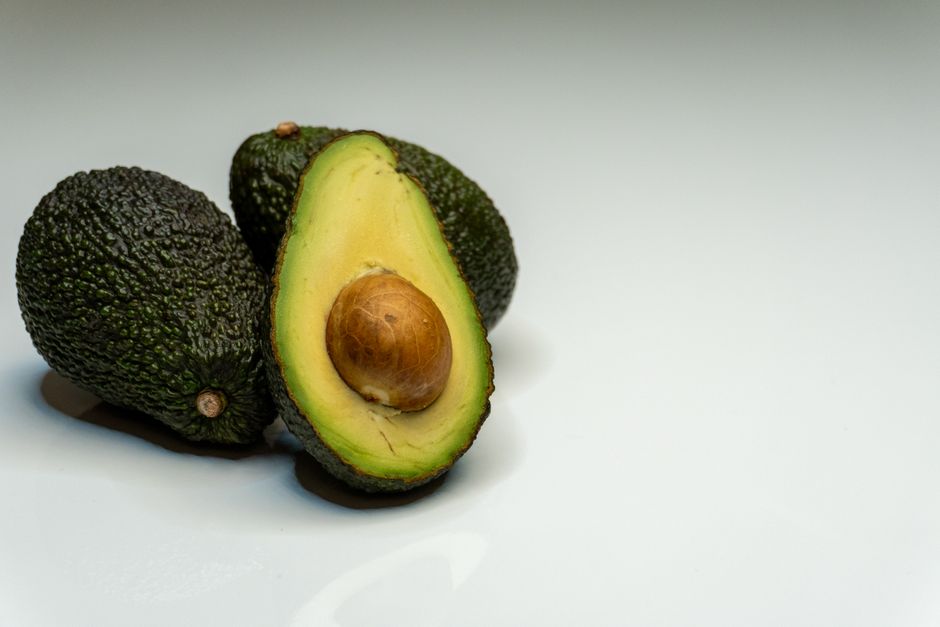
Photo: Zifeng Xia via Pexels
This article is for general informational purposes only and does not constitute medical or dietary advice. Always consult a licensed healthcare provider or registered dietitian before making significant changes to your diet, especially if you have a medical condition.