 Dr. Sarah Mitchell
Roughly 60% of people who quit keto in the first month do so because of a side effect or fear they were told was “just how it works.” I’ve watched that happen dozens of times in my practice, and most of those dropouts were completely avoidable, because the thing that scared them off was either a myth, a misunderstood mechanism, or advice that was accurate but wildly overstated.
I’ve been working with low-carb and ketogenic clients for over a decade. I’ve seen the diet work beautifully, and I’ve seen it fail people. Not because keto is magic or because it’s garbage, but because an enormous amount of what circulates online about it is either half-true, outdated, or taken so far out of context it becomes actively misleading. Let me go through the ones that cause the most damage.
- "Keto flu" is almost always electrolyte loss, not carb withdrawal, it's largely preventable with sodium, potassium, and magnesium supplementation.
- A 2020 review in Nutrients found no significant LDL increase in most people; HDL and triglycerides typically improve on keto.
- Ketosis does not require zero carbs, most people enter ketosis reliably at 20-50g net carbs per day.
- Muscle loss on keto is a real risk only if protein is too low; adequate protein (0.7-1g per lb of body weight) is protective.
- Keto is not appropriate for everyone, people with certain metabolic or kidney conditions need individualized guidance.
“Keto Flu Means Your Body Is Detoxing”
No. That’s not what’s happening, and the “detox” framing does real harm because it makes people think they just have to white-knuckle through something inevitable. What’s actually happening in the first few days of ketosis: your kidneys are dumping sodium at an accelerated rate because insulin drops, and water follows sodium out of your cells. You’re not releasing toxins. You’re losing electrolytes faster than most people replenish them.
The headaches, fatigue, brain fog, muscle cramps, heart palpitations, every single one of those maps cleanly onto hyponatremia and related electrolyte imbalance. A 2019 paper in the Journal of the International Society of Sports Nutrition noted that sodium requirements can increase substantially during the transition to ketosis, potentially requiring 3,000-5,000mg of additional sodium per day in the early weeks. That’s not a rounding error.
What actually works: pickle brine (weird but fast), a quality electrolyte supplement with real sodium content, and broth. I usually point clients toward LMNT packets, which contain 1,000mg sodium, 200mg potassium, and 60mg magnesium per serving, close to what most people need in a convenient format (around $45 for a 30-pack on Amazon, which the site may earn a commission on). Drink one of those the night before you cut carbs and another the first morning, and a significant portion of “keto flu” simply doesn’t materialize.
Client example: A 41-year-old teacher, Maria, started keto in January and emailed me after day three feeling terrible, headache, cramps, couldn’t concentrate. She hadn’t supplemented anything. Added 2,000mg sodium and 300mg magnesium glycinate daily. Symptoms were essentially gone within 36 hours.
The Cholesterol Question (This One Deserves Careful Attention)
I’ll be honest: this is the myth I get most wrong in my predictions for individual clients. The general story – keto raises HDL, lowers triglycerides, and may or may not raise LDL, is well-supported. A 2020 meta-analysis published in Nutrients reviewed 41 trials and found significant reductions in triglycerides (average drop of about 44 mg/dL) and meaningful HDL increases. LDL was more variable, with most participants seeing small to no increase.
But here’s what that meta-analysis can’t tell you about yourself: whether you’re a “hyper-responder.”
A subset of people on high-fat diets, somewhere between 5% and 15% of the population by current estimates (and I don’t have a precise number here because the research is genuinely young), see LDL climb dramatically and specifically see LDL particle size shift toward the small, dense pattern that carries more cardiovascular risk. Dave Feldman’s research through the Citizen Science Foundation has been the most rigorous community-level investigation of this phenomenon to date, and while it’s not yet peer-reviewed at the level I’d want, the pattern is real enough that I take it seriously.
My honest advice: get a baseline lipid panel before you start, and check again at 90 days. If your LDL-P (particle number) has gone up significantly, don’t assume it’s fine because your HDL also improved. Talk to your doctor, and consider whether the specific fat composition of your diet needs adjusting.
“You Can’t Build Muscle in Ketosis”
This one drives me a little crazy, because it was never particularly well-supported, and it’s still repeated constantly. The concern comes from the idea that insulin is required for muscle protein synthesis, and that since keto keeps insulin low, muscle building must be impaired.
Insulin does support anabolic signaling. But it’s not the only lever. Leucine (a branched-chain amino acid abundant in meat, eggs, and whey) independently triggers mTOR, the main pathway for muscle protein synthesis. If your protein intake is adequate, and on a well-designed keto diet it should be at least 0.7 to 1 gram per pound of bodyweight, muscle protein synthesis is not meaningfully blunted.
A 2018 study in the Journal of Strength and Conditioning Research compared resistance-trained athletes on ketogenic versus Western diets over 10 weeks. The keto group maintained lean mass and lost significantly more fat. That’s not a verdict that keto is superior for building muscle, but it’s pretty clear evidence that you’re not going to atrophy just by cutting carbs.
The real muscle risk on keto is protein being too low because people focus so intensely on hitting fat macros that they neglect protein. I’ve seen that pattern repeatedly. If someone is eating 70% fat, 20% protein, and 10% carbs on a 1,800 calorie diet, they’re getting about 90 grams of protein. For most adults who train, that’s not enough.
What Most People Don’t Realize About Carb Limits
The “under 20 grams of net carbs” rule is everywhere, and it’s not wrong exactly, but it’s also not a universal law carved in stone. It comes from the strictest phase of clinical ketogenic diet protocols, originally designed for pediatric epilepsy management, where deep, consistent ketosis was medically necessary. For weight loss and metabolic health in adults, most people enter and maintain nutritional ketosis somewhere in the 20-50g net carb range.
I tested this on myself when I first started experimenting with ketogenic eating about eight years ago: I assumed I’d need to stay under 20g to stay in ketosis. I measured with blood ketone strips (the Keto-Mojo is what I use, around $50 for the meter) and found that my threshold was closer to 40g net carbs. Going slightly over 20g wasn’t kicking me out.
Individual variation here is substantial and depends on activity level, muscle mass, insulin sensitivity, and frankly genetics. An endurance athlete with high muscle glycogen turnover might maintain ketosis at 60-70g. A sedentary person with insulin resistance might drop out at 25g. Testing matters more than rules.
The Myth That Keto Is Just for Short-Term Weight Loss
Keto gets lumped into the category of crash diets, and sometimes it deserves that reputation because it’s marketed that way. But the clinical evidence for longer-term metabolic benefits is actually more solid than people assume.
A two-year randomized controlled trial (Indiana University, published in Cardiovascular Diabetology in 2018) found that participants on a very low-carb diet maintained significantly better glycemic control and cardiovascular markers than the low-fat comparison group at the 24-month mark. That’s not a short-term effect.
For type 2 diabetics specifically, the evidence is probably the strongest I’ve seen for any dietary intervention. Virta Health has published outcomes data showing that about 60% of their patients who completed the first year of their supervised ketogenic program achieved diabetes reversal (HbA1c under 6.5% without medication). That’s a meaningful number. (Note: Virta’s study has limitations, including self-selection and no randomization against a control, so I say this with some caution.)
The more important long-term question is adherence. And this is where keto loses the ideological fight, not the metabolic one. Dropout rates are higher for ketogenic diets than for moderate low-carb diets in most long-term trials. That’s worth taking seriously.
| Diet Approach | Typical Carb Range | Average 1-Year Adherence | Best Evidence For |
|---|---|---|---|
| Standard ketogenic | Under 20-50g net/day | 40-55% | Epilepsy, type 2 diabetes, rapid fat loss |
| Moderate low-carb | 50-130g net/day | 55-65% | Sustained weight loss, insulin resistance |
| Low-glycemic index | 130g+, quality focus | 60-70% | Long-term maintenance, broad population |
| Mediterranean | Variable, typically 150-250g | 65-75% | Cardiovascular outcomes, longevity data |
Sources
- Nutrients (2020): Meta-analysis of 41 ketogenic diet trials examining lipid panel changes across diverse populations.
- Journal of the International Society of Sports Nutrition (2019): Examination of electrolyte requirements during the adaptive phase of ketogenic diets.
- Journal of Strength and Conditioning Research (2018): 10-week comparison of ketogenic versus Western diet in resistance-trained athletes measuring body composition.
- Cardiovascular Diabetology (2018): Two-year randomized trial from Indiana University comparing very low-carb and low-fat diets in adults with type 2 diabetes.
- Virta Health longitudinal outcomes data (2018, updated through 2022): Real-world clinical outcomes for supervised ketogenic intervention in type 2 diabetic patients.
As of July 2026, the research on ketogenic diets is genuinely more nuanced than either the enthusiasts or the critics tend to admit. The best version of keto is a real, carefully designed diet that works for specific people with specific goals. The worst version is a mythology about butter coffee curing everything. Most people are somewhere in between, trying to make good decisions with bad information. Hopefully this helps close that gap a little.
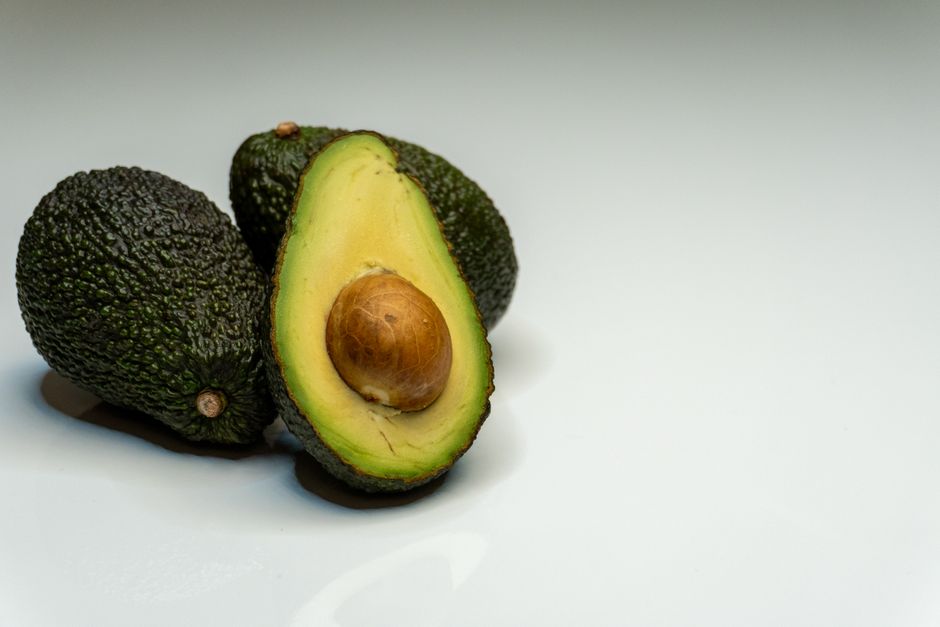
Photo: Nadin Sh via Pexels
This article is for general informational purposes only and does not constitute medical or dietary advice. Always consult a licensed healthcare provider or registered dietitian before making significant changes to your diet, especially if you have a medical condition.