 Jake Torres
Most people who start keto quit within the first week. Not because the diet doesn’t work, but because they feel absolutely terrible and have no idea why. The headache hits on day two. By day four, their legs feel like concrete. They’re irritable, exhausted, and wondering if they’ve made a terrible mistake. Here’s the thing: that suffering is real, but it’s also almost entirely preventable if you know what’s actually happening inside your body and what to do about it.
What Keto Actually Does to Your Body (The Non-Boring Version)
Your body runs on glucose by default. Feed it carbohydrates and it converts them to glucose, burns what it needs, and stashes the rest as glycogen in your liver and muscles. When you slash carbs to roughly 20 to 50 grams per day, you drain those glycogen stores within 24 to 72 hours. At that point, your liver starts converting fat into molecules called ketone bodies, primarily beta-hydroxybutyrate, acetoacetate, and acetone. Your brain, heart, and muscles learn to run on these ketones instead of glucose. That metabolic state is ketosis.
This isn’t starvation mode. It’s a legitimate alternate fuel pathway that humans used for hundreds of thousands of years during periods without carbohydrate-rich food. Your body is fully equipped to do this. It just takes a few days to flip the switch.
Blood ketone levels above 0.5 mmol/L are generally considered nutritional ketosis. Most people feel the clearest cognitive benefits between 1.0 and 3.0 mmol/L. You don’t need to measure obsessively, especially at the start, but if you’re curious, a blood ketone meter like the Keto-Mojo gives you accurate readings for a few dollars per test strip.
Here’s something beginners get wrong constantly: keto is not just a high-protein diet. The classic macronutrient breakdown is approximately 70 to 75 percent of calories from fat, 20 to 25 percent from protein, and 5 percent or less from carbohydrates. Excess protein can actually be converted to glucose through a process called gluconeogenesis, which can blunt ketone production. Keep protein moderate.
The Keto Flu and How to Actually Prevent It
| Electrolyte | Daily Target | Food Sources | Supplement Option |
|---|---|---|---|
| Sodium | 2,000-4,000 mg | Salt, broth | Salt to water |
| Potassium | 3,500-4,700 mg | Avocados, leafy greens, salmon | Electrolyte supplement |
| Magnesium | 300-500 mg | Various foods | Magnesium glycinate or malate |
The “keto flu” isn’t a real flu. It’s a collection of symptoms, headache, fatigue, brain fog, muscle cramps, irritability, that stem from two things: electrolyte loss and the psychological shift of removing foods that may have been central to your daily routine for years.
When glycogen breaks down, it releases water. A lot of it. You’ll urinate significantly more in the first week, and with that water goes sodium, potassium, and magnesium. These minerals regulate nerve function, muscle contraction, and hydration. Let them drop and you feel awful. This isn’t a metabolic problem. It’s a mineral deficiency problem.
Here’s what actually works:
- Sodium: Add 2,000 to 4,000 mg daily. Salt your food generously, drink broth, or add a half teaspoon of salt to your water bottle. This sounds like a lot, but you’re replacing what you’re losing.
- Potassium: Avocados, leafy greens, and salmon are rich sources. Aim for 3,500 to 4,700 mg daily through food. If you’re struggling, a potassium-containing electrolyte supplement can help.
- Magnesium: Most people are already low before starting keto. 300 to 500 mg of magnesium glycinate or malate at night helps with sleep and prevents leg cramps.
I’ve worked with clients who drank a cup of bone broth every morning during their first two weeks and sailed through the transition with almost no symptoms. Others who ignored electrolytes called me on day three wondering if they were dying. The difference really is that stark.
LMNT is one of the better electrolyte products because it skips the sugar and hits meaningful sodium levels (1,000 mg per packet). You can find it on Amazon. (This site may earn a commission on qualifying purchases.)
What to Actually Eat: A Practical Beginner Framework
What Is the KETO DIET? — Everything You Need To Know About a Keto Diet for Beginners | Doctor ER · Doctor ER on YouTube
Don’t overthink this. The rules are simple even if the execution takes some adjustment.
Eat freely:
- Fatty cuts of meat: ribeye, lamb shoulder, pork belly, chicken thighs with skin
- Fish and seafood: salmon, sardines, mackerel, shrimp
- Eggs (every preparation)
- Full-fat dairy: butter, heavy cream, hard cheeses, Greek yogurt (in small amounts)
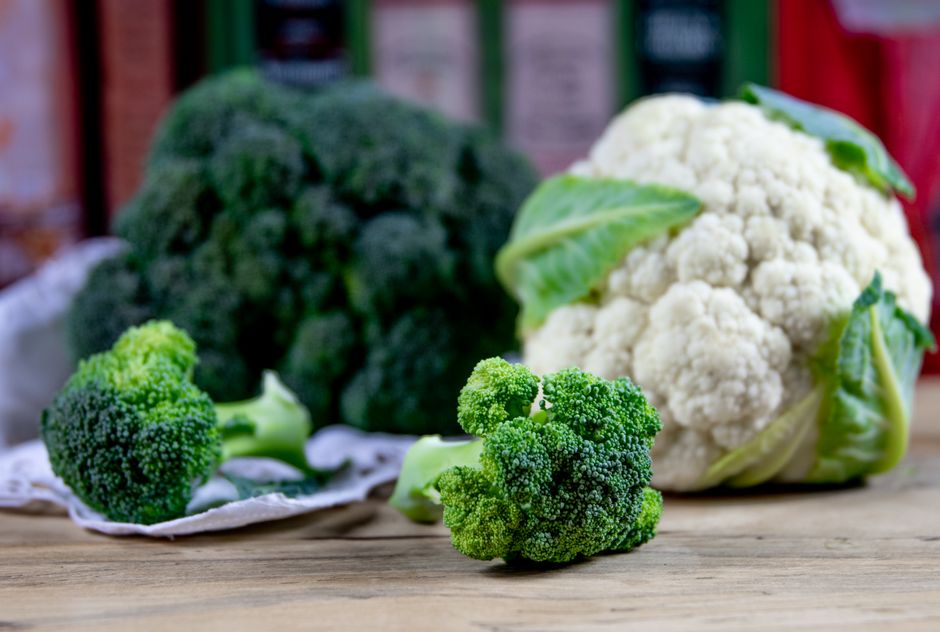
- Non-starchy vegetables: spinach, kale, broccoli, cauliflower, zucchini, asparagus, Brussels sprouts
- Healthy fats: olive oil, avocado oil, coconut oil, avocados
Eat in limited amounts:
- Nuts and seeds (easy to overeat, carbs add up fast with cashews especially)
- Berries: raspberries, blackberries, and strawberries are relatively low-carb
- Full-fat plain Greek yogurt (check labels, carbs vary widely by brand)
Avoid:
- All grains: bread, pasta, rice, oats, corn
- Sugar in all forms
- Legumes: beans, lentils, chickpeas
- Starchy vegetables: potatoes, sweet potatoes, parsnips, beets
- Most fruit (a medium banana has 27 grams of carbs, your entire day’s budget)
- Beer and sweet wines
A Sample Day for a Complete Beginner
Breakfast: Three scrambled eggs cooked in butter with a handful of spinach and two strips of bacon. Black coffee or coffee with heavy cream.
Lunch: A large salad with romaine, canned salmon, avocado, cucumber, olive oil, and lemon juice. No croutons, no sweetened dressing.
Dinner: A ribeye steak cooked in butter with roasted broccoli drizzled in olive oil. Maybe a small bowl of full-fat Greek yogurt with a few raspberries if you need something sweet.
Total estimated net carbs: 15 to 20 grams.
Notice what’s not here: expensive keto packaged products, specialty flours, or anything requiring 45 minutes of prep. Real food first. Simplicity is what makes adherence actually possible.
A kitchen scale makes the first few weeks much smoother when you’re learning what 30 grams of blueberries actually looks like. This one from OXO is accurate and compact. (This site may earn a commission on qualifying purchases.)
Net Carbs vs. Total Carbs: The Number You Actually Track
This trips up almost every beginner. Net carbs are calculated by subtracting fiber and certain sugar alcohols from total carbohydrates. Fiber doesn’t raise blood glucose in most people because humans can’t fully digest it. So if a cup of broccoli has 6 grams of total carbs and 2 grams of fiber, the net carb count is 4 grams.
The standard keto threshold is 20 grams of net carbs per day for most beginners. This is conservative on purpose. Staying at 20 grams essentially guarantees you’ll enter ketosis if you also keep protein moderate. Once you’re fat-adapted, which typically takes 4 to 8 weeks, some people can go up to 30 to 50 net grams and stay in ketosis, but that’s individual.
Sugar alcohols are trickier. Erythritol has minimal impact on blood sugar and can generally be fully subtracted. Maltitol, common in cheap “keto” candy bars, behaves more like sugar and should barely be subtracted, if at all. Read ingredient labels. If the first sugar alcohol you see is maltitol, put it back on the shelf.
Quick Carb Comparison Table
| Food | Serving | Total Carbs | Net Carbs |
|---|---|---|---|
| White rice | 1 cup cooked | 45g | 44g |
| Sweet potato | 1 medium | 27g | 23g |
| Banana | 1 medium | 27g | 25g |
| Broccoli | 1 cup | 6g | 4g |
| Avocado | Half | 6g | 1g |
| Raspberries | ½ cup | 7g | 3.5g |
| Almonds | 1 oz (28g) | 6g | 3g |
| Cheddar cheese | 1 oz | 0.4g | 0.4g |
The Fat Adaptation Phase: When Things Get Good
Sources
Most beginners want results in week one. Realistically, the first two weeks are mostly about getting your electrolytes balanced and your body used to running without constant carb intake. Fat adaptation, the deeper metabolic shift where your mitochondria become genuinely efficient at oxidizing fat for fuel, takes 4 to 8 weeks for most people.
What changes when you’re fat-adapted:
- Energy becomes more stable throughout the day. The 2pm crash disappears.
- Mental clarity improves noticeably. I’ve had clients describe it as “the static finally clearing.”
- Exercise capacity returns and often exceeds your pre-keto baseline.
- Hunger and cravings decrease significantly. This is one of keto’s most underrated benefits.
During the adaptation phase, don’t jump to conclusions based on how you feel at day 10. Weight loss often pauses briefly around weeks 2 to 3 as your body recalibrates. This is normal and temporary.
If you want to accelerate fat adaptation, adding MCT oil to your morning coffee is one legitimate strategy. MCTs (medium-chain triglycerides) are converted to ketones quickly in the liver and can provide a mild ketone boost while your body is still learning. Start with one teaspoon and increase gradually, because jumping straight to a tablespoon will cause GI distress you won’t forget. Bulletproof Brain Octane is a quality C8 MCT option on Amazon. (This site may earn a commission on qualifying purchases.)
Starting keto is genuinely simple, even if it doesn’t feel that way when you’re staring at a label trying to do carb math in the grocery store aisle. Eat real food, keep carbs under 20 grams, take your electrolytes seriously, and give your body a full four to six weeks before you decide whether this works for you. The first week is almost always the hardest. Thousands of people who felt miserable on day three are thriving on month three. You might be one of them.
Photo: Andrea Piacquadio via Pexels