 Mark Chen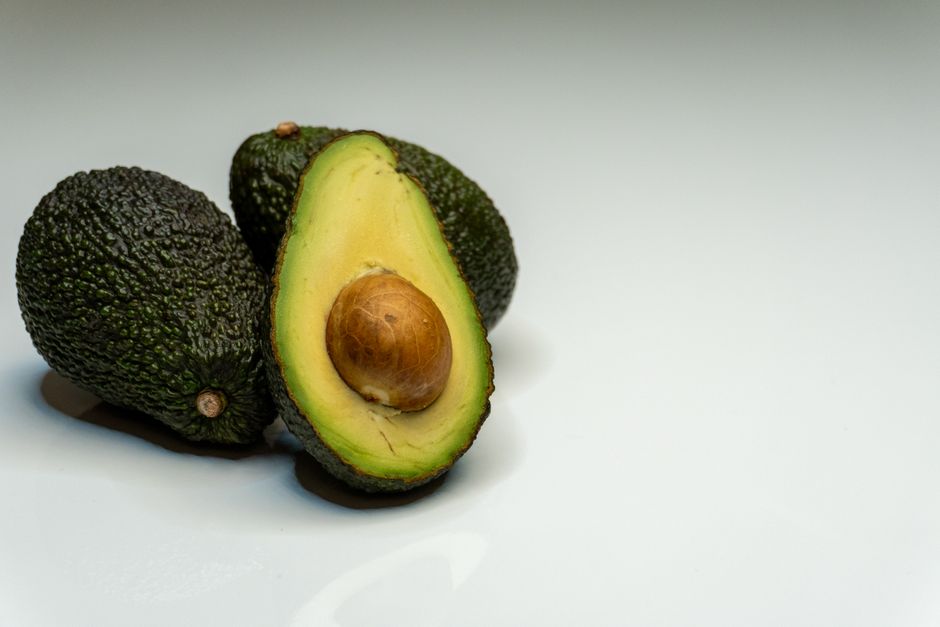
If you follow keto, or you’ve been curious about it for more than just weight loss, this summer just got more interesting. A major randomized clinical trial testing a strict ketogenic diet against brain cancer is actively recruiting patients right now, in August 2026, and it may be the most scientifically serious test the diet has ever faced.
The trial is called Diet2Treat (NCT05708352), and it’s sponsored by Cedars-Sinai Medical Center. It’s targeting 170 newly diagnosed glioblastoma patients, splitting them evenly between a strict ketogenic diet and standard anti-cancer dietary guidance, both groups also receiving standard chemoradiation. Eighteen weeks. Randomized. Multi-site. This isn’t a small pilot study or an anecdote dressed up as evidence. Froedtert & Medical College of Wisconsin confirmed in an August 10, 2026 update that the trial is offered through their Cancer Network, with participants tracking daily blood ketone and glucose readings, which tells you how seriously the monitoring is being taken.
Glioblastoma is one of the most brutal diagnoses in oncology. Median survival under current standard care is 14.6 months. That number hasn’t moved much in decades, which is part of why researchers are looking at metabolic approaches at all.
- Diet2Treat (NCT05708352) is a Phase II RCT enrolling 170 glioblastoma patients as of August 2026.
- Glioblastoma median survival is just 14.6 months under standard care, making new approaches urgent.
- The trial runs 18 weeks; participants track daily blood ketones and glucose alongside chemoradiation.
- A Springer Nature systematic review (April 2026) named Diet2Treat a key forthcoming data source.
- This is a Phase II trial, not yet proof of benefit; results will take time to emerge.
Why Glioblastoma and Why Keto
The biological rationale here is real, and it’s been building for years. Glioblastoma cells rely heavily on glucose through a process called aerobic glycolysis, sometimes called the Warburg effect after the scientist who described it a century ago. The theory is that these cancer cells are metabolically inflexible: they can’t efficiently use ketone bodies the way healthy brain cells can. So if you dramatically reduce glucose availability and raise circulating ketones, you might starve the tumor while the rest of the brain keeps functioning.
That’s the hypothesis. Whether it translates into extended survival in humans is exactly what Diet2Treat is designed to answer. A systematic review published April 25, 2026 in Neurological Sciences (Springer Nature) synthesized every human ketogenic diet study in glioblastoma from 2000 to 2025. The authors found promising signals in smaller studies but noted the evidence base was fragmented and underpowered. They specifically named Diet2Treat as a forthcoming pivotal data source. That’s a careful, appropriate way to say: we need this trial to tell us something the smaller work couldn’t.
What the Trial Actually Looks Like
You might be wondering what “strict ketogenic diet” even means in a clinical oncology context. It’s not just cutting carbs loosely. Participants are following a medically supervised protocol, with daily blood monitoring of both ketones and glucose, which is the kind of metabolic tracking most recreational keto dieters never do. The 1:1 randomization means half get the ketogenic intervention and half get structured standard dietary guidance, both alongside their chemoradiation. That control arm matters. Without it, you can’t separate the effect of the diet from the effect of having any structured dietary support at all.
The trial is being run across multiple sites, including UCSF’s Brain Tumor Center, which is one of the higher-volume glioblastoma programs in the country. That kind of institutional involvement signals this isn’t a fringe effort.
| Feature | Diet2Treat (Keto Arm) | Control Arm |
|---|---|---|
| Diet type | Strict ketogenic diet | Standard anti-cancer dietary guidance |
| Duration | 18 weeks | 18 weeks |
| Background treatment | Standard chemoradiation | Standard chemoradiation |
| Metabolic monitoring | Daily blood ketones + glucose | Standard care monitoring |
| Patient population | Newly diagnosed glioblastoma | Newly diagnosed glioblastoma |
| Trial phase | Phase II RCT | Phase II RCT |
What This Means (and Doesn’t Mean) for Everyday Keto Readers
Here’s what I tell people when this comes up in a clinical setting: the fact that a trial exists doesn’t mean the diet is proven to work for this condition. Phase II trials determine whether something shows enough promise to justify a larger Phase III study. They’re not the finish line. Results from Diet2Treat are still some time away, and even a positive outcome would need replication.
What does matter right now is that this trial represents the most rigorous human test of a dietary-metabolic approach to glioblastoma ever conducted. If you or someone you know is facing a newly diagnosed glioblastoma, it’s genuinely worth asking an oncologist whether the trial is a fit. That’s not hype. That’s just using available information well.
For people following keto for other reasons, weight management or metabolic health, this trial doesn’t change your calculus much. The therapeutic dose and monitoring required in an oncology trial is a long way from what most people practice at home. But it does reinforce something the evidence has pointed to for a while: ketogenic metabolism has real biological effects, and researchers are now serious enough about them to fund a 170-person randomized trial.
The Commercial Noise Around This
One honest thing to acknowledge: keto has a massive commercial ecosystem behind it. The keto food and supplement market is projected to surpass $17 billion globally by 2030, according to The Business Research Company’s 2026 projections. That’s a lot of money with an interest in keeping keto in the news. Oncology trials become marketing fodder quickly, and you’ll see this one cited in contexts that have nothing to do with brain cancer.
That’s not a reason to dismiss the trial. It’s a reason to read carefully. A Phase II cancer trial is not evidence that keto cures anything. It’s evidence that the question is worth asking rigorously. Those are very different things, and the space between them is where a lot of people get misled.
What to Watch For
Results from Diet2Treat won’t arrive quickly. Eighteen weeks of dietary intervention, plus follow-up survival data on a cancer with a 14-plus month median survival, means meaningful results are probably still a few years out. The Neurological Sciences systematic review from April 2026 is a reasonable place to understand the current state of evidence if you want academic context.
If you’re a clinician, a patient, or someone who simply wants to follow this honestly, keep an eye on the trial’s ClinicalTrials.gov page and watch for updates from the participating sites. And if you’re a glioblastoma patient, please talk to your oncology team before changing anything about your diet, because the interactions with chemoradiation are real and require proper medical oversight.
This is a story worth following. Not because it proves keto works against brain cancer, but because for the first time, we’re actually going to find out.
Sources
- Diet2Treat Trial Listing , CenterWatch / ClinicalTrials.gov (Updated May 4, 2026)
- Ketogenic Diet Influence on Glioblastoma , Froedtert & MCW (August 10, 2026)
- Efficacy and Safety of Ketogenic Diet in Glioblastoma: Updated Systematic Review , Neurological Sciences (Springer) (April 25, 2026)
- DIET2TREAT Phase 2 Trial , UCSF Brain Tumor Center (2026)
- Ketogenic Diet in 2026: What’s New and Effective , EP Wellness (February 9, 2026)
Photo: Ivan Vi via Pexels
This article is for general informational purposes only and does not constitute medical or dietary advice. Always consult a licensed healthcare provider or registered dietitian before making significant changes to your diet, especially if you have a medical condition.