 Mark Chen
Nobody warns you about this part.
You start keto, you’re feeling pretty good, the scale is moving, and then around day four or five you realize you haven’t been to the bathroom in three days. You’re eating plenty. You don’t feel sick exactly. You just feel… stopped up. And when you go searching for answers, most of what you find is either breezy (“just drink more water!”) or buried in contradictory advice about fiber that makes your head spin.
I’ve seen this trip up more new keto dieters than anything else, including the keto flu. And I’ve watched people quietly quit because of it, which is a shame, because it’s almost always fixable.
Here’s what’s actually going on, and what to do about it.
Why Keto Backs You Up in the First Place
A few things happen simultaneously when you cut carbs down to 20-50 grams a day.
First, you drop a lot of water weight in that first week. Glycogen stores (your body’s stored carbohydrate) hold onto water at roughly a 3:1 ratio, and when those deplete, you lose that water fast. This is great for the scale and genuinely bad for your bowels. Dehydration is one of the most consistent causes of constipation, full stop.
Second, fiber intake tends to drop. Not always, but usually. If you were getting fiber from whole grains, beans, fruit, and the occasional sweet potato, those are gone now. A lot of people replace them with eggs, cheese, bacon, and meat. Fiber intake plummets, and your gut notices.
Third, the change in gut bacteria is real. Research on this is still developing, but there’s good evidence that your gut microbiome composition shifts fairly quickly when you make a major dietary change. Some of those bacterial populations that help move things along can temporarily decrease. A 2020 study in Cell looking at ketogenic diets and gut microbiome specifically found reductions in fiber-fermenting bacteria like Bifidobacterium over a 4-week period. That doesn’t mean keto is permanently bad for your gut, but it does help explain why the first few weeks can be rough.
The good news: for most people, this is temporary. By weeks three or four, things typically normalize on their own if you’re doing a few things right.
What Actually Helps (And What Doesn’t)
Let’s skip straight to what moves the needle.
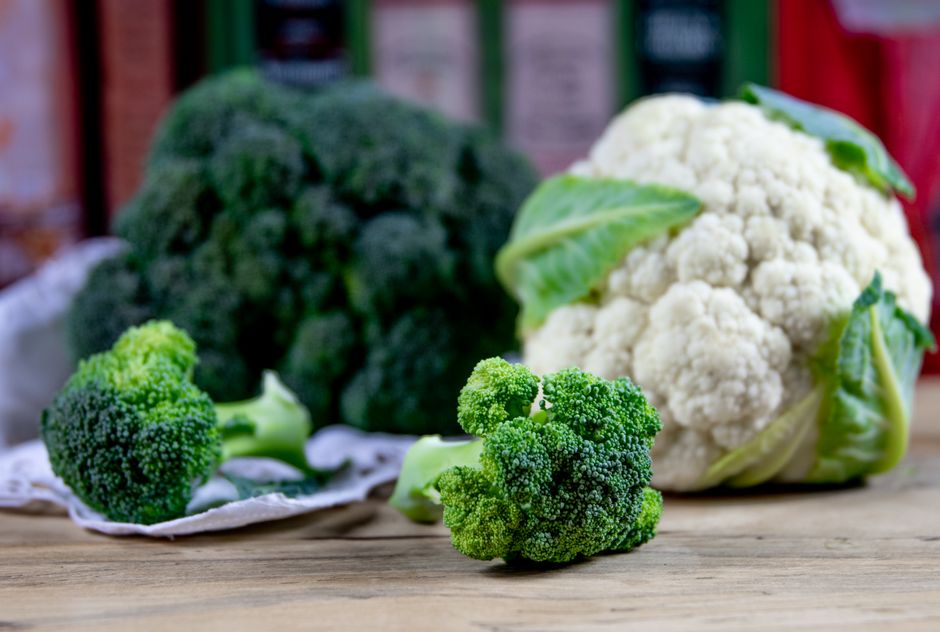
Get your fiber from vegetables, not supplements, if you can. I know fiber supplements get recommended constantly, and they’re not useless, but they work better as a patch than a solution. If you’re eating 20 grams of carbs a day and those 20 grams are coming from cheese and cream, you’re doing keto wrong for your gut. Aim to put at least half your daily carb allowance into above-ground vegetables: leafy greens, zucchini, broccoli, cauliflower, asparagus, cucumber. These carry fiber without blowing your carb budget. A cup of raw spinach has about 1 gram of net carbs. A cup of broccoli has about 4. There’s real room to work with here.
Magnesium. This is the thing most people miss, and it’s the intervention I recommend first. Magnesium draws water into the colon, which softens stool and stimulates movement. Magnesium glycinate is gentler and better absorbed; magnesium citrate works faster but can cause cramping at higher doses. Start low, around 200-300mg before bed. If nothing happens in 48 hours, you can increase. A lot of keto dieters are running low on magnesium anyway because it’s lost in urine during the diuretic phase of starting keto, so this is doing double duty. Something like Natural Vitality Calm magnesium citrate powder runs about $25-$30 for a 16-ounce container and lasts most people a month or two. (Full disclosure: this site may earn a commission on purchases through links here.)
Fat. Enough of it. This one surprises people. Keto is a high-fat diet, but I’ve worked with clients who were eating moderate fat and very high protein instead, either because they were afraid of calories or because they’d blurred the lines with a protein-heavy approach. Dietary fat stimulates bile production, and bile acts as a natural lubricant in the digestive tract. If you’re constipated on keto, make sure you’re actually eating fat, not just avoiding carbs. Olive oil, avocado, fatty fish, butter. It helps.
Hydration, but with electrolytes. Plain water alone isn’t going to cut it if you’re losing sodium and potassium at an accelerated rate, which you are in early keto. Drinking more water without replacing electrolytes can actually make things worse because your kidneys will just excrete the excess. Add salt to your food deliberately, eat potassium-rich keto vegetables like avocado and spinach, and consider an electrolyte supplement that doesn’t come loaded with sugar. LMNT and Nuun Sport are both solid options.
Movement. Not a magic fix, but genuinely useful. Even a 20-minute walk after meals can stimulate intestinal motility. I realize this feels like advice from your grandmother, but your grandmother wasn’t wrong.
The Fiber Supplement Question
THE KETOGENIC DIET: Science Behind Low Carb Keto for Fat Loss, Muscle & Health · Jeff Nippard on YouTube
| Supplement | Type | Starting Dose | Speed | Best For | Cost |
|---|---|---|---|---|---|
| Magnesium Glycinate | Mineral | 200-300mg before bed | Slower | Gentle absorption, less cramping | Varies |
| Magnesium Citrate | Mineral | 200-300mg before bed | Faster | Quick relief | ~$25-30 per 16oz |
| Psyllium Husk | Fiber | 1 teaspoon in water | Moderate | Budget-friendly, well-researched | ~$10-12 per pound |
| Inulin/FOS | Prebiotic Fiber | Varies | Moderate | Gut bacteria support | Varies |
If you’re going to use a fiber supplement, psyllium husk is the most researched option and it’s cheap. Metamucil is just psyllium husk with some flavoring. You can buy straight psyllium husk powder for a fraction of the cost, around $10-$12 for a pound, and it has essentially zero net carbs. Mix a teaspoon into water and drink it quickly before it gels.
A few things to know: psyllium only works if you drink it with plenty of water. Without water, it can make constipation worse. And don’t take it within two hours of medications because it can interfere with absorption.
Inulin and FOS (fructooligosaccharides) are popular in some keto circles as prebiotic fibers. The research on them for constipation is mixed, and they cause significant gas and bloating in a lot of people. I’d try psyllium first.
When to Actually Worry
Sources
- Natural Vitality Calm magnesium citrate powder
- LMNT
- Nuun Sport
- Max Vakhtbovych
- on this is still developing
Most keto constipation is annoying, not dangerous. But there are situations where you should stop self-treating and call your doctor.
If you haven’t had a bowel movement in more than a week, that warrants a conversation. If you have pain, rectal bleeding, significant bloating, or nausea accompanying the constipation, don’t wait. And if you have a history of irritable bowel syndrome, inflammatory bowel disease, or any structural GI issues, please don’t try to manage this through diet tweaks alone without professional input. The advice here is for generally healthy adults dealing with a common dietary transition effect.
Photo: Max Vakhtbovych via Pexels
This article is for general informational purposes only and does not constitute medical or dietary advice. Always consult a licensed healthcare provider or registered dietitian before making significant changes to your diet, especially if you have a medical condition.