 Diana Walsh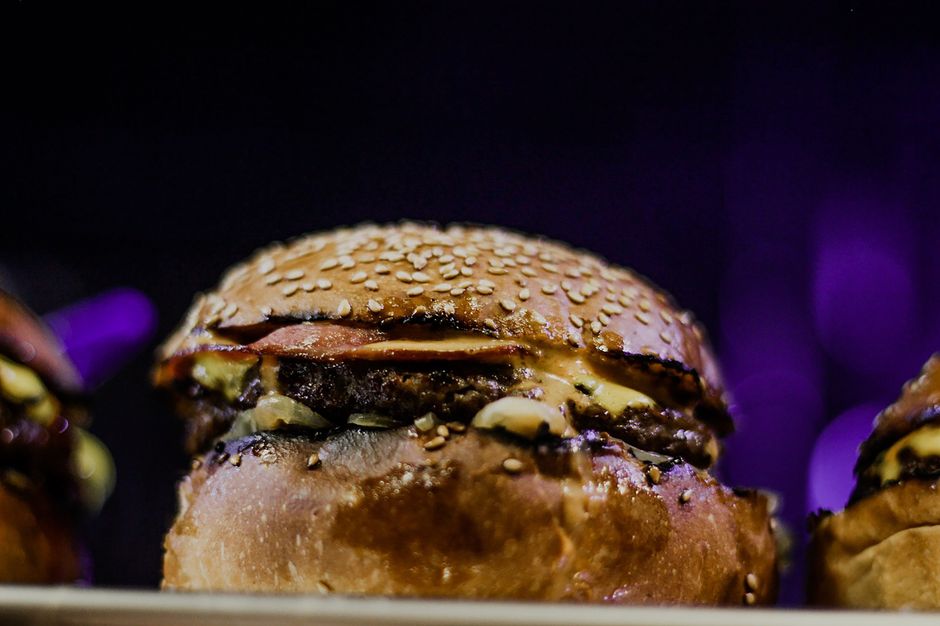
You’ve been strict for three weeks. Maybe four. The scale’s been moving, your pants fit different, and then Saturday arrives with a birthday dinner, cake, and that voice in your head: one day won’t kill me.
So here you are. Wondering if everything you’ve built just evaporates, or if there’s actually a smarter way to think about this.
I’ve had this conversation probably a thousand times. And honestly, the answer is messier than the keto forums want it to be.
What a cheat day actually does to ketosis
| Scenario | Time to Re-enter Ketosis | Factors Affecting Recovery |
|---|---|---|
| Experienced keto dieter (8+ months) | 2-5 days (faster) | High metabolic flexibility, adapted metabolism |
| New keto dieter (3-4 weeks in) | 2-5 days (slower) | Lower metabolic flexibility, still adapting |
| Large carb load cheat | Longer recovery | Bigger glucose spike, more glycogen replenishment needed |
| Moderate carb load cheat | Shorter recovery | Smaller disruption to ketone production |
| Therapeutic use (blood sugar/epilepsy) | Varies significantly | Medical goals make disruption more consequential |
A single high-carb meal will almost certainly kick you out of ketosis. It doesn’t take much. Most people on keto stay under 20-50 grams of net carbs daily. A slice of birthday cake plus a bread roll gets you there before dessert’s done.
Once that carb load hits, your body burns the glucose first. Ketone production slows, then stops. Blood ketone levels (normally above 0.5 mmol/L in nutritional ketosis) can drop to baseline within a few hours. That’s just physiology. Not a moral problem.
What happens next matters more. Most people take two to five days to get back into ketosis, though it varies wildly depending on your metabolic flexibility, how long you’ve been doing this, and how big the cheat was. Someone eight months into keto bounces back faster than someone three weeks in. And if you’re using keto to manage blood sugar or epilepsy, that disruption hits different than if your goal is gradual weight loss.
The research on cycling in and out of ketosis is genuinely mixed. A 2020 paper in Cell Metabolism looked at time-restricted and cyclical low-carb patterns, but clean studies on “cheat day vs. no cheat day” specifically in keto are sparse. Anyone claiming with certainty that weekly cheat days are definitely fine or definitely ruinous is selling confidence they don’t actually have.
The real problem with cheat days on keto (and it’s not the carbs)
Most damage from a keto cheat day isn’t metabolic. It’s psychological.
Watch what happens: the cheat meal goes fine. Then it becomes a cheat afternoon. Then you feel like you’ve blown it, so dinner might as well be free too. By Monday you’re foggy, bloated, craving carbs again. The voice that said “one day won’t kill me” gets replaced by “what’s the point.”
Keto’s particularly bad for this spiral because carb restriction directly affects hunger hormones. Ghrelin, the hormone making you hungry, drops when you’re in ketosis. But eat a big carb load and it comes roaring back, sometimes for days. Your intense cravings on day two after cheating aren’t weakness. They’re physiology.
I’m not saying cheat days always blow up. Some people genuinely do well with planned flexibility. But the clients who succeed long-term almost always have a specific, boundaried plan rather than a vague “I’ll get back on track.” Vague doesn’t work.
If you’re going to do it, do it deliberately
Lasagna without Noodles?! Meal Prep Dinner Idea, Low Carb, Keto Friendly · Low Carb Love on YouTube
If never eating pasta again sounds like a path straight to quitting entirely, that’s worth weighing. Sustainability matters.
Here’s what works:
Consider a “cheat meal” instead of a “cheat day.” One meal is recoverable. A full day of unrestricted eating is much harder to bounce back from, mentally and physically. Pick the meal that actually matters to you, eat it guilt-free, then return to normal for your very next meal. Not the next day. The next meal.
Time it strategically if you care. Some people plan off-plan meals around heavy training days. Your muscles are more receptive to using that glucose during and after intense exercise, and cyclical ketogenic approaches (higher carbs a couple days per week, strict keto the rest) do work for some athletes. If that sounds like excessive tracking, it is. Probably not worth it unless you’re genuinely athletic.
Plan the re-entry before the cheat, not after. Know what you’re eating for breakfast the next morning. Have your keto-friendly snacks ready for when cravings spike. Some people take electrolytes the day after to help with fatigue and headaches. I keep LMNT packets in my bag for this.
Weigh yourself the same way regardless. Don’t skip the scale after a cheat meal to avoid the number. You’ll see a jump from water retention (carbs cause your body to hold glycogen-bound water), and knowing that intellectually doesn’t always feel less defeating. But avoiding the data rarely helps.
What about “dirty keto” and planned flexibility?
Sources
- keto-friendly snacks
- electrolytes
- taha balta
- what’s the point. Keto
- on cycling in and out of ketosis is genuinely mixed
Some people do loose low-carb without obsessing over exact macros. A moderate meal hitting 60-80 grams of carbs is less disruptive for them than for someone tracking strictly.
If your goal is general metabolic health and gradual weight loss rather than therapeutic ketosis, that flexibility might work fine. For a lot of my clients, aiming for “low carb most of the time” lands them in a better, more sustainable place than chasing perfect ketone numbers daily.
Where it gets weird is when people use “flexible keto” as permission to eat freely on weekends. If Thursday through Sunday are loosely unrestricted, you’re not doing a low-carb diet. You’re eating normally half the time. That’s not a judgment. It’s just worth being honest about.
The most useful thing I can tell you about cheat days on keto: the people who succeed are the ones who make a real decision instead of stumbling into one. A deliberate, boundaried choice to enjoy a meal and return to plan is completely different from vague “I’ll be good again Monday.” One’s a strategy. The other’s just hoping.
Make the plan. Eat the cake if you want it. Then come right back.
(This article is for general informational purposes. If you’re using a ketogenic diet to manage a medical condition, please work with your healthcare provider before making changes to your approach. This site may earn a commission on qualifying Amazon purchases.)
Photo: taha balta via Pexels