 Jake Torres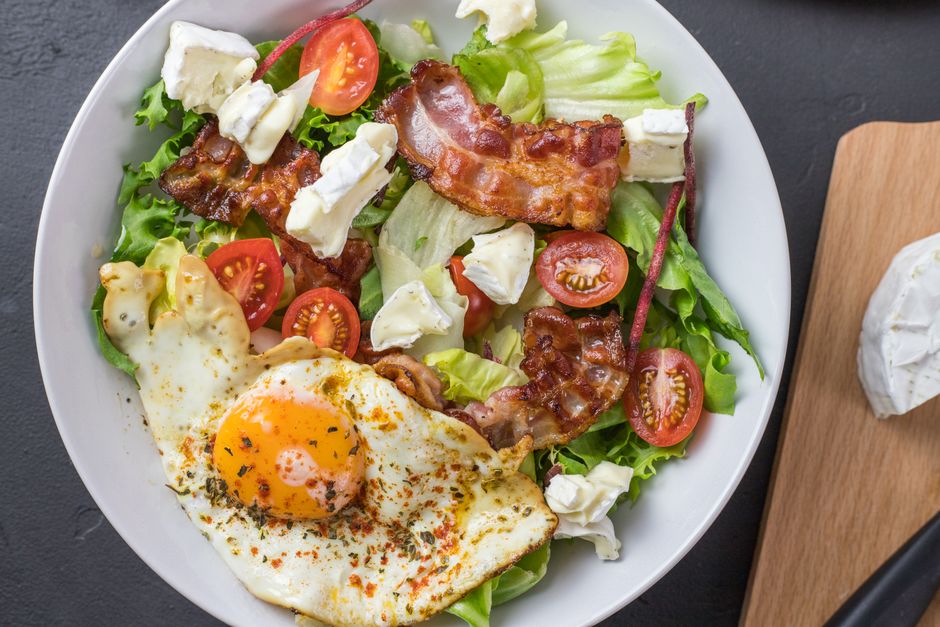
Most people come to me after they’ve already blown their grocery budget once or twice trying to eat keto. They’ve bought the almond flour, the grass-fed everything, the fancy MCT oil, the $12 avocado oil mayo. Then they look at the receipt and quietly wonder if this diet is actually designed for people who make more money than they do.
It’s not. But the way keto gets marketed, you’d be forgiven for thinking otherwise.
Here’s what I tell people in that situation: the expensive version of keto is a choice, not a requirement. The foundational ingredients of a ketogenic diet, fatty proteins, non-starchy vegetables, eggs, and dairy, are among the cheapest foods per gram of protein and fat in any grocery store. The problem is that keto culture has layered a whole ecosystem of specialty products on top of those basics, and a lot of people mistake the layer for the thing itself.
You don’t need that layer. Let me show you what actually works.
The Protein Problem (and How to Solve It Cheaply)
| Protein Source | Approximate Cost/lb | Fat Content | Cook Time | Best For |
|---|---|---|---|---|
| Chicken breast (boneless) | $2-4 | Low | 20-30 min | Quick meals |
| Chicken thighs (bone-in, skin-on) | $1-2 | High | 30-45 min | Budget keto |
| Whole chicken | ~$1.29 | High | 60-90 min | Best per-pound value |
| Pork shoulder | $2-4 | High | 180+ min (slow cook) | Batch cooking |
| Beef chuck | $2-4 | High | 180+ min (slow cook) | Batch cooking |
| Eggs (per dozen) | <$4 | High | 5-15 min | Versatile, portable |
| Canned sardines/mackerel (per can) | ~$2 | High | Ready-to-eat | High omega-3s |
Protein is where most keto budgets break down. People default to chicken breasts and ground beef, which are fine, but they’re not even close to the most economical options. The cuts that save you real money are the ones that take longer to cook.
Chicken thighs cost roughly half what boneless breasts do and have more fat, which is exactly what you want on keto. Bone-in, skin-on is even cheaper. Whole chickens, if you’re willing to break them down yourself or just roast them and pull the meat, are almost always the best per-pound value in the store. A 5-pound bird at around $1.29/lb feeds two people for two full days if you’re strategic about it.
Pork shoulder and beef chuck are the two cuts I come back to constantly. Both are high-fat, deeply flavorful, and genuinely cheap, typically $2-4/lb depending on where you live and whether there’s a sale. Neither needs anything fancy to taste good. Salt, garlic, a Dutch oven, and three hours. That’s it. If you don’t have a Dutch oven yet, this one from Lodge is about $50 and will last decades. Worth every dollar for anyone cooking on a budget.
Eggs deserve their own mention because people underestimate them. A dozen eggs for under $4 is roughly 72 grams of protein and a lot of fat, portable, fast-cooking, and infinitely variable. I’ve had clients eating three meals a day built around eggs for weeks without getting bored because the preparation styles are so different.
The one contrarian take I’ll stand behind: canned sardines and mackerel are some of the best keto foods nobody talks about. A can of sardines in olive oil runs about $2 and has more omega-3s than most expensive supplements, solid protein, and high fat. I know some people have a texture issue with them. But if you can get past that, or chop them into a salad or eggs where the texture blends in, you’re getting extraordinary nutrition for almost no money.
Vegetables: Where to Be Selective
You don’t need to buy organic everything. I’ll just say it plainly because a lot of keto content implies otherwise. The vegetables you eat most on keto, cabbage, frozen spinach, cauliflower, zucchini, broccoli, green beans, are all affordable and widely available. Frozen is often nutritionally equivalent to fresh and significantly cheaper.
Cabbage is genuinely underrated. A whole head costs under $2, keeps for weeks in the fridge, and works fried in butter with sausage, raw in slaws, braised with pork, or turned into noodle substitutes. I’ve watched clients go from “I don’t really like cabbage” to making it twice a week once they understood how fat transforms it.
The vegetables to avoid spending heavily on are the ones that are keto-adjacent but not keto-necessary: the fancy microgreens, the pre-cut spiralized zucchini at a 300% markup, the organic everything. Buy a cheap spiralizer (they’re around $15 on Amazon) and do it yourself. Buy the regular zucchini.
The Specialty Product Trap
Lasagna without Noodles?! Meal Prep Dinner Idea, Low Carb, Keto Friendly · Low Carb Love on YouTube
Keto bread, keto crackers, keto ice cream, fathead pizza dough requiring $8 worth of mozzarella per batch. These products and recipes exist, they work, and for most people on a budget, they’re the enemy.
Not because they’re bad. Because they’re expensive and they train you to think you need them. The most sustainable cheap keto looks like: protein, fat, vegetables. Period. No substitutes for things you’re not eating anyway.
Almond flour is a good example. It has real uses in keto cooking. It also costs $10-14 for a 3-pound bag, and most of the recipes that use it are trying to recreate something bread-like. If you’re early in your keto journey and the budget is tight, skip it entirely. You can revisit it later when it’s a treat rather than a staple.
MCT oil is another one. Decent MCT oil runs about $20-30 for a 32 oz bottle. It has legitimate uses, particularly for people doing fasting or struggling to hit fat macros, but it’s not required. Butter, cream, and the fat on your meat do the same metabolic job.
Batch Cooking Is the Actual Budget Strategy
The single most effective thing you can do for keto on a budget isn’t finding cheaper ingredients. It’s cooking more at once.
Here’s what a practical week looks like. On Sunday, roast a whole chicken or braise a pork shoulder. Hard-boil eight eggs. Wash and chop a head of cabbage. Make a big batch of cauliflower rice if you eat it. That’s maybe 90 minutes of hands-on time.
From those four things, you have the base for 10-12 meals. Chicken with butter and cauli rice. Eggs with sautéed cabbage. Pulled pork over a cabbage slaw. Eggs and shredded pork scrambled together. The variety comes from how you assemble, not from buying different things every day.
A decent set of glass meal prep containers (something like these from Prep Naturals) costs about $30 and makes this whole system easier. Prepped food in visible containers actually gets eaten. This sounds obvious but it matters.
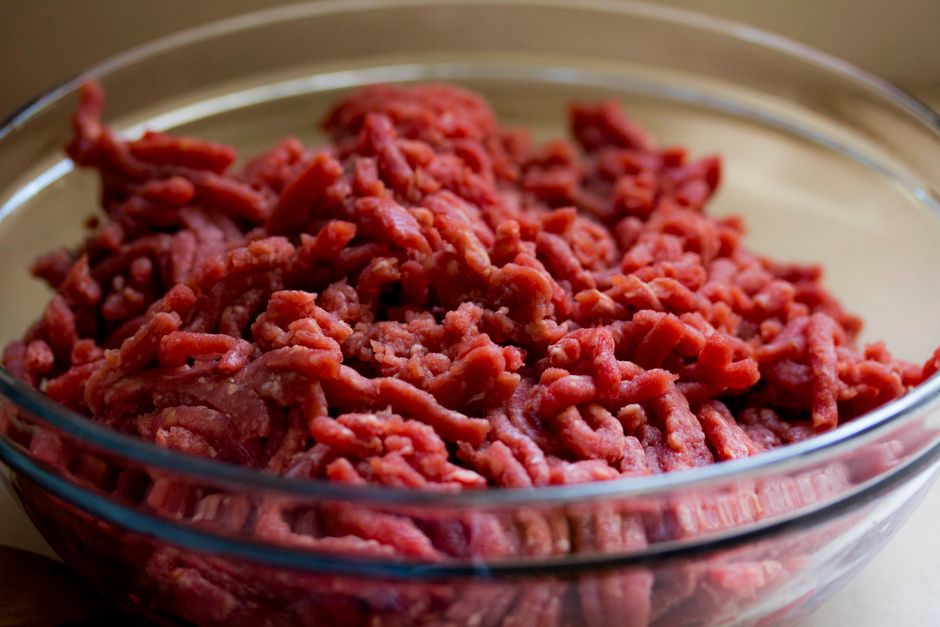
Buying a kitchen scale if you don’t have one is also worth it. Basic ones are under $15 and let you buy in bulk accurately. Buying a 5-lb bag of ground beef, portioning it yourself, and freezing it is meaningfully cheaper than buying individual 1-lb packages every week.
Electrolytes Without the $45 Supplement Tub
One real cost people don’t account for: electrolytes. Keto does deplete sodium, potassium, and magnesium faster than a standard diet, and if you don’t replace them, you feel terrible. This leads a lot of people toward expensive branded products.
You don’t need them. Salt your food generously with regular salt or No Salt (potassium chloride) for potassium, eat magnesium-rich foods like spinach and pumpkin seeds, and drink enough water. If you want a simple supplement, plain magnesium glycinate capsules from any drugstore cost about $10-15 for a month’s supply. That’s it.
FAQ
Sources
Is keto actually more expensive than eating normally?
It can be, but only if you buy a lot of specialty products. Meat, eggs, butter, and vegetables aren’t inherently more expensive than the carb-heavy processed foods they replace. The cost creep comes from keto-branded substitutes.
What’s the cheapest keto meal I can make right now?
Scrambled eggs in butter with sautéed cabbage or frozen spinach. Under $2 per serving, takes 10 minutes, and has a solid fat-to-protein ratio. I’ve made this more times than I can count.
Can I eat keto without buying almond flour or specialty baking ingredients?
Yes, and honestly you’ll probably do better without them early on. The simplest keto meals don’t require any baking. Focusing on meat, eggs, fat, and vegetables gets you into ketosis just as well, without the specialty cost.
Is frozen meat okay for keto?
Completely fine. Nutritionally, frozen meat is equivalent to fresh. Buying in bulk and freezing is one of the most reliable ways to cut your weekly food spending on keto.
How do I handle eating keto when I’m short on time during the week?
Batch cooking on one day is the answer most people resist and then become converts to. Even two hours on a Sunday changes the entire week. Pre-cooked protein in the fridge means dinner is 10 minutes instead of 40.
Budget keto isn’t about deprivation. It’s about seeing past the marketing and getting back to what the diet actually requires: fat, protein, low-carb vegetables, and consistency. The fundamentals are cheap. Keep your eye on those, and you’ll spend less than you did before.
Photo: Mateusz Feliksik via Pexels
This article is for general informational purposes only and does not constitute medical or dietary advice. Always consult a licensed healthcare provider or registered dietitian before making significant changes to your diet, especially if you have a medical condition.