 Dr. Sarah Mitchell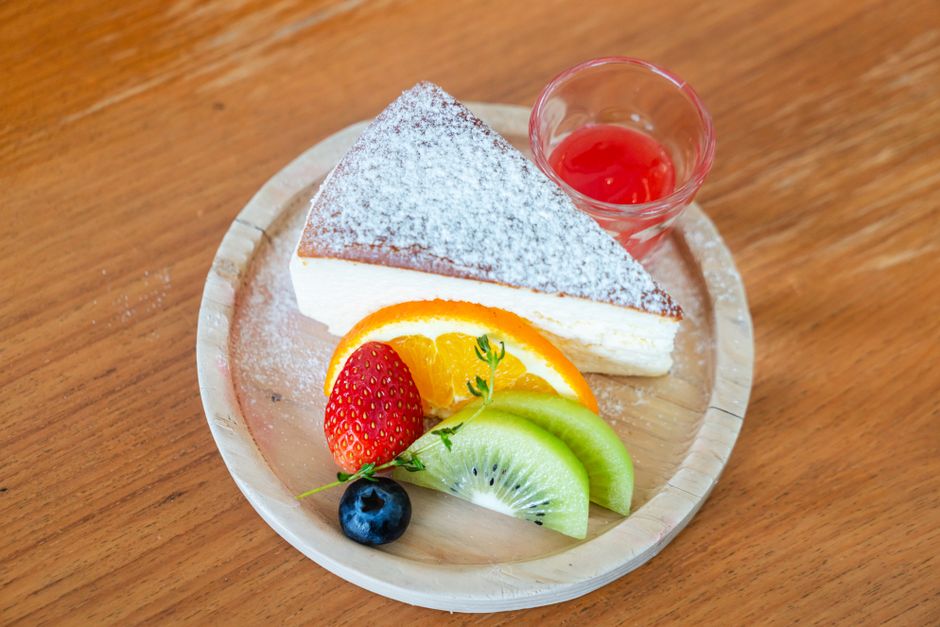
My clients always assume cheesecake is off the table. They come in having done weeks of keto perfectly, and then someone brings a cheesecake to a birthday party and they either white-knuckle through it or eat a slice and feel like they’ve blown everything. I’ve had this exact conversation probably two hundred times.
Here’s what I tell them: cheesecake is actually one of the most naturally keto-friendly desserts on the planet. The filling is mostly cream cheese, eggs, and fat. The only real problem is the graham cracker crust and the sugar. Swap those out intelligently and you have a dessert that legitimately works on a ketogenic diet, holds its texture, and doesn’t taste like a compromise.
I’ve made a lot of keto cheesecakes over the years. Some were disasters. One early attempt with a flaxseed-heavy crust was… not good. What follows is the version I’ve landed on after enough iterations to feel confident calling it reliable.
Why Most Keto Cheesecake Recipes Get the Texture Wrong
The number one complaint I hear about low-carb cheesecakes is that they’re grainy, rubbery, or they weep liquid after they set. Almost always, this comes down to three mistakes: cold cream cheese, overmixing, and skipping the water bath.
Cold cream cheese doesn’t incorporate smoothly. Full stop. You need it at genuine room temperature, which means leaving it out for at least 90 minutes, not 20 minutes on the counter while you preheat the oven. If you’ve ever had tiny white lumps in a finished cheesecake, that’s why.
Overmixing is the sneakier problem. When you beat too much air into a cheesecake batter, it puffs up in the oven and then collapses as it cools, cracking down the middle and getting that slightly rubbery chew. With a keto cheesecake especially, where allulose or erythritol is behaving differently than sucrose, the batter is already more sensitive. Mix until just combined, no longer.
The water bath question is where I’ll acknowledge real nuance: it’s not strictly required, but it meaningfully reduces cracking and keeps the texture silkier. If you don’t want to mess with foil-wrapping your springform pan and filling a roasting dish, you can place a pan of hot water on the oven rack below the cheesecake instead. Not identical results, but much easier and about 80% as effective.
The Crust: Almond Flour Works, But Here’s What I Actually Prefer
| Sweetener | Recrystallization Risk | Best Use | Typical Price |
|---|---|---|---|
| Allulose (pure) | None | Cheesecake filling and toppings | $12-15/lb |
| Erythritol (powdered) | Yes, when chilled | Baking where grittiness is less noticeable | Lower cost |
| Monk Fruit + Erythritol blend | Minimal | Cold desserts, acceptable alternative | ~$10-12/container |
Almond flour crust is fine. It’s the default for most keto baking, and it’s genuinely decent. But I want to be honest: a straight almond flour crust can be a little soft and prone to crumbling once refrigerated, especially if you cut it while it’s still cold from the fridge.
What I actually use now is a 50/50 blend of almond flour and finely ground pecans (or walnuts), with butter and a small amount of erythritol. The nut mixture creates a slightly more cohesive crust that holds a cleaner slice. The carb count is similar.
Crust recipe for a 9-inch springform pan:
- 1 cup almond flour (Bob’s Red Mill Super-Fine works well, currently around $10 for a 16-oz bag)
- 1/2 cup finely ground pecans (pulse them in a food processor until they resemble coarse meal)
- 3 tablespoons melted butter
- 2 tablespoons powdered erythritol or allulose
- Pinch of salt
Mix together, press firmly into the bottom of a greased springform pan (and slightly up the sides if you like a higher crust wall), and bake at 350°F for 10-12 minutes until just golden. Let it cool before adding the filling.
One note on sweeteners: allulose is my preference in cheesecake because it doesn’t recrystallize when chilled, which means you won’t get that gritty texture that can happen with erythritol-based sweeteners in cold desserts. Lakanto Powdered Monk Fruit (which blends erythritol with monk fruit) is the most widely available option and works reasonably well. Pure allulose, sold by brands like RxSugar or Wholesome, is worth trying if you can find it. As of June 2026, you can typically source it through Amazon or directly from those brands for around $12-15 per pound.
The Filling: The Recipe That Actually Works
Lasagna without Noodles?! Meal Prep Dinner Idea, Low Carb, Keto Friendly · Low Carb Love on YouTube
This makes a full 9-inch cheesecake, about 12 slices.
Ingredients:
- 24 oz (three 8-oz blocks) full-fat cream cheese, room temperature
- 3/4 cup powdered allulose or powdered erythritol blend
- 3 large eggs, room temperature
- 1/3 cup full-fat sour cream
- 1 tablespoon fresh lemon juice
- 2 teaspoons pure vanilla extract
Process:
Beat the cream cheese alone first, on medium speed, until smooth and fluffy, about 2 minutes. Scrape down the sides. Add the sweetener and mix on low until incorporated. Add the eggs one at a time, mixing on low after each, just until the yolk disappears. Add the sour cream, lemon juice, and vanilla. Mix on low for about 30 seconds. Stop.
Pour into the cooled crust. Tap the pan gently on the counter a few times to release air bubbles. Bake at 325°F (not 350°F, lower and slower matters) with a pan of hot water on the rack below. Bake for 55-65 minutes. The edges should look set, and the center should still have a slight jiggle, like Jell-O rather than liquid. Turn off the oven, crack the door, and let it sit for another hour before removing.
Refrigerate for at least 4 hours. Overnight is better.
Worked example: A client of mine, Diane, from our clinic’s group cooking session in April, had attempted keto cheesecake twice before using a different recipe and gotten rubbery texture both times. She switched to this process, specifically letting the cream cheese reach true room temperature and using allulose instead of erythritol. Result: texture she described as “indistinguishable from regular cheesecake.” Her husband, who eats no dietary restrictions, agreed.
Toppings, Variations, and Where to Take It
Plain is underrated. A properly made vanilla cheesecake doesn’t need anything. But if you want to add something, here are the options I’ve seen work well without wrecking the carb count:
Fresh raspberries or strawberries, just sliced, on top right before serving. About 1/2 cup of raspberries across the whole cake adds maybe 3-4 grams of net carbs distributed across 12 slices. Negligible.
A sugar-free berry compote: simmer 1 cup of frozen mixed berries with 2 tablespoons of allulose and a tablespoon of lemon juice until thickened. Tastes like actual jam. Passes the skeptic test.
For a chocolate swirl version: melt 2 oz of 90% dark chocolate (Lindt 90% is my standard, about $3 a bar) with a tablespoon of butter and a teaspoon of allulose, then drop spoonfuls onto the filled (unbaked) cheesecake and swirl with a knife before baking. Adds minimal carbs and looks impressive.
Worked example: I tested the chocolate swirl version at a small dinner party of eight people, none of them on keto. Seven out of eight guessed it was a regular cheesecake. The one person who guessed “something different” said it tasted richer than usual, not worse.
Macros: What You’re Actually Working With
Per slice (1/12 of the whole cake, using allulose and the almond-pecan crust):
Approximate macros: 4-5g net carbs, 28-30g fat, 6-7g protein. This will vary based on your specific brands and the sweetener you use, so I’d strongly recommend plugging your exact ingredients into Cronometer or Carb Manager if you’re tracking closely.
The crust accounts for about 2 grams of those net carbs per slice. The cream cheese filling is naturally very low carb. Cream cheese itself runs about 1.6g net carbs per ounce, and with 24 oz split across 12 slices, you’re looking at roughly 3.2g from the filling before sweetener adjustments.
One thing worth knowing: allulose is listed on nutrition labels as a carbohydrate but is not metabolized like one and doesn’t raise blood glucose in research studies. The FDA currently allows it to be excluded from the “total sugars” count. If you’re counting net carbs, you can generally subtract allulose, similar to how you’d treat fiber or erythritol. The research on this is reasonably solid, though I’ll admit the long-term data on all novel sweeteners is still accumulating.
Sources
- Blaak EE, et al. (2020): “Impact of nutrition on gut microbiota and metabolic health” in Beneficial Microbes, covering carbohydrate metabolism and sugar alcohol digestion.
- FDA GRAS Notice for Allulose (GRN 000714): U.S. Food and Drug Administration determination on d-allulose classification and metabolic handling.
- Volek JS & Phinney SD: The Art and Science of Low Carbohydrate Living (2011), foundational reference on ketogenic macronutrient principles and fat adaptation.
- USDA FoodData Central: Nutritional composition data for cream cheese, almond flour, and common keto baking ingredients, used for macro estimation.
- Westman EC, et al. (2007): “Effect of a low-carbohydrate, ketogenic diet program compared to a low-fat diet on fasting lipoprotein subclasses,” International Journal of Cardiology, cited for metabolic context around dietary fat and ketosis.
Photo: panumas nikhomkhai via Pexels
This article is for general informational purposes only and does not constitute medical or dietary advice. Always consult a licensed healthcare provider or registered dietitian before making significant changes to your diet, especially if you have a medical condition.