 Dr. Sarah Mitchell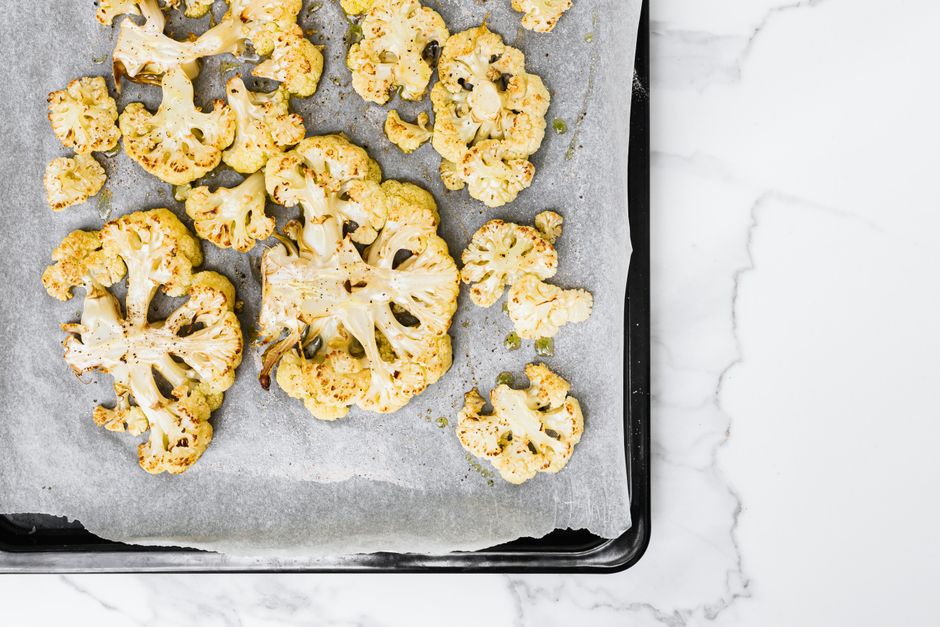
Cauliflower gets more credit than it deserves on keto. There, I said it.
Not because it’s bad. It’s genuinely one of the most useful vegetables you can keep in your keto kitchen. But the hype around it has gotten so overblown that I’ve had clients come in genuinely devastated that their cauliflower pizza crust tasted nothing like Domino’s. The expectations are set wrong, and that leads to a lot of wasted produce and a lot of abandoned diets.
So let me reframe this before we get into the actual recipes: cauliflower isn’t a perfect substitute for anything. It’s its own ingredient that happens to work beautifully in low-carb cooking when you stop trying to trick yourself into thinking it’s something else. Once I stopped pretending and started cooking, that’s when things got interesting.
Here’s what I know from working with hundreds of clients and testing these recipes myself: cauliflower is one of the best investments you can make on a keto grocery run. A large head runs around $3-4, it’s filling, it freezes well, and a single head has roughly 25-30 grams of total carbs, with about 10-12 grams net after fiber. Plenty of room to work with.
The Cauliflower Rice Problem (and How to Actually Fix It)
Almost everyone starts here. And almost everyone does it wrong the first time, including me.
My mistake was using a food processor and then dumping the raw riced cauliflower straight into a pan. The result was a wet, steaming pile of mush. If you’ve experienced this, you know exactly what I’m talking about.
The fix is one extra step that most recipes skip: dry the cauliflower out before cooking it. After you rice it (box grater or food processor, either works), spread it on a baking sheet lined with a kitchen towel, salt it lightly, and let it sit for 10 minutes. Then wring the towel to pull out the moisture. You’ll be shocked how much water comes out. Only then does it go in a dry, hot skillet.
The texture difference is significant. Cauliflower rice made this way actually gets a little toasty at the edges rather than steaming itself into paste. It’ll never be jasmine rice. But as a base for a Thai-style pork bowl or a quick egg fried rice knock-off, it genuinely works.
One worked example worth sharing: a client named Rachel, a reader from Austin who emailed me back in late 2025, had tried and abandoned cauliflower rice four times. She switched to the dry-and-wring method, added a tablespoon of sesame oil and a dash of coconut aminos to her shrimp fried “rice”, and came back to tell me she’d made it nine times in a month. Nine times. That’s the difference prep technique makes.
Quick math on that dish: roughly 6 grams net carbs per generous serving, compared to 45+ grams for a standard restaurant fried rice portion.
Roasted Cauliflower Is the Underrated Star
| Cauliflower Preparation | Net Carbs Per Serving | Best Use Case |
|---|---|---|
| Cauliflower Rice | ~6g | Thai bowls, fried rice knockoffs |
| Roasted Cauliflower | Not specified | Side dish, standalone with toppings |
| Cauliflower Mash | Not specified | Under braises, with salmon |
| Cauliflower Soup | 7-9g | Standalone meal, freezer-friendly |
| Raw Large Head | 10-12g net (25-30g total) | Reference for portion planning |
Nobody talks about this one enough. Roasted cauliflower, done properly, is one of the best things in low-carb cooking. Full stop.
High heat is everything. I mean 425°F minimum, ideally 450°F. The goal is caramelization and char on the edges, not steaming. Cut your florets into similar sizes, toss generously with olive oil (don’t be shy, maybe 3 tablespoons for a large head), and give them room on the pan. Single layer. If you crowd them, you steam them, and you’re back to the mush problem.
Roast for 25-30 minutes, flipping once at the halfway mark.
From that base, you can go a dozen directions. A tahini drizzle with lemon and sumac. A parmesan-and-garlic finish in the last five minutes. Harissa paste tossed on before roasting with a smear of labneh after. A buffalo sauce coating with crumbled blue cheese. These aren’t approximations of something else. They’re just genuinely good food.
I tested a simple garlic-parmesan roasted cauliflower on three separate people who told me they didn’t like cauliflower. All three asked for the recipe. That’s the most convincing data I have.
Cauliflower Mash: Where This Vegetable Actually Belongs
Here’s my honest take: cauliflower mash is better than cauliflower rice as a replacement for its starchy counterpart. Why? Because the flavor profiles are actually compatible. Butter, cream, garlic, salt, that’s how you’d make mashed potatoes anyway. The richness of keto ingredients masks any cauliflower funkiness better here than anywhere else.
The technique that matters: steam or boil until very tender, then drain extremely well and let it sit in the colander for a few minutes. Again, moisture is the enemy. Then blend with a full tablespoon of butter per cup of cooked cauliflower, a splash of heavy cream, salt, white pepper if you have it, and roasted garlic if you want to go the extra mile.
Do not use a food processor. It makes the texture gummy. Use a hand blender or a standard blender in short pulses, or even just a good masher if you prefer a chunkier texture.
Where cauliflower mash really earns its place: under a slow-braised short rib, or alongside a pan-seared salmon with browned butter. The dish around it does the heavy lifting, and the mash just needs to not get in the way. Done right, it doesn’t.
The Cauliflower Soup You’ll Actually Make Again
A simple cauliflower soup is underrated on keto, partly because people associate creamy soups with carb-heavy flour thickeners. Cauliflower is its own thickener. You don’t need anything else.
Basic process: roast your cauliflower first (same method as above). Sauté shallots and garlic in butter, add the roasted cauliflower and enough chicken stock to just cover, simmer 10 minutes, blend smooth. Finish with a tablespoon of heavy cream per serving, a drizzle of good olive oil, and some smoked paprika. Done.
Net carbs per bowl: approximately 7-9 grams depending on portion size. It’s filling, it reheats well, and it freezes beautifully in something like these Glasslock airtight containers (the site may earn a commission on purchases like this).
Scenario to ground this: a client who was struggling to hit fat targets and kept skipping lunch because he “didn’t like salads” started making this soup on Sundays and portioning it for the week. Four weeks later, his adherence to his macros had improved enough that he’d dropped an additional 6 pounds compared to the previous month. Sometimes the boring fix is the right one.
What Not to Bother With (My Honest Shortlist)
Cauliflower pizza crust. I’ve made it many times. It’s fine if you go in knowing it’s a casserole-style base, not a crust. If you want something that actually behaves like pizza dough, a fathead dough made with mozzarella and almond flour gets closer. Cauliflower crust is soggy on the bottom unless you press and pre-bake it extensively, and by the time you do all that, you’ve spent 45 minutes on a result most people find disappointing.
Cauliflower “steak” as a main course. The aesthetic is appealing. The satiety is not. It’s mostly water and fiber. Use it as a side, not an entree, unless you’re loading it with cheese and sauce.
Cauliflower tortillas. I’ve tried three different versions. They tear every time, they’re fragile, and they taste like cauliflower, which is not what you want in a taco situation. Cheese crisps or lettuce wraps are more practical.
Sources
- USDA FoodData Central: Nutritional data for raw cauliflower, including carbohydrate and fiber content per 100g serving
- Mattson, M.P. et al. (2018), “Intermittent metabolic switching, neuroplasticity and brain health,” Nature Reviews Neuroscience: Referenced for general context on ketogenic eating patterns
- Paoli, A. et al. (2013), “Beyond weight loss: a review of the therapeutic uses of very-low-carbohydrate (ketogenic) diets,” European Journal of Clinical Nutrition: Establishes low-carb dietary frameworks relevant to vegetable carb budgeting
- Harvard T.H. Chan School of Public Health, The Nutrition Source: Overview of cruciferous vegetables and their fiber contributions, current as of July 2026
Photo: www.kaboompics.com via Pexels
This article is for general informational purposes only and does not constitute medical or dietary advice. Always consult a licensed healthcare provider or registered dietitian before making significant changes to your diet, especially if you have a medical condition.