 Diana Walsh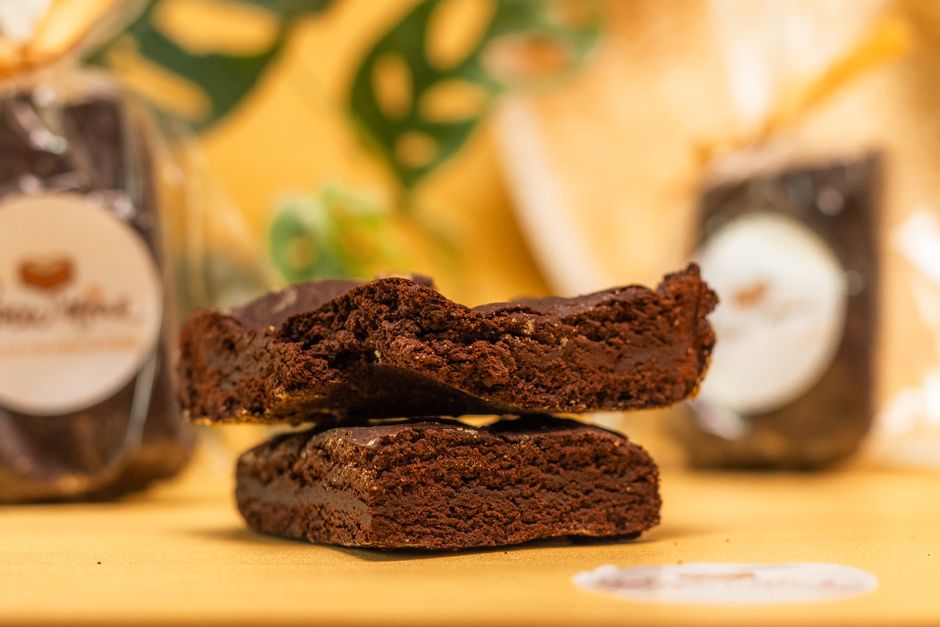
Most keto brownie recipes taste like chocolate-flavored cardboard. You know the kind: gritty almond flour base, weirdly oily, that strange cooling sensation from too much erythritol. People bake them once, eat one square out of obligation, and quietly go back to just skipping dessert.
The problem isn’t keto baking. It’s that most recipes are optimized for macros first and flavor a distant second. That’s backwards. A brownie that hits your carb targets but tastes like punishment isn’t a win.
Here’s what actually works.
The Ingredient Choices That Decide Everything
| Sweetener | Flavor Profile | Price (approx.) | Best For | Notes |
|---|---|---|---|---|
| Pure Erythritol | Chemical, cooling aftertaste | Varies | Budget option | Noticeable cooling sensation above moderate amounts |
| Lakanto Monkfruit Sweetener | Close to real sugar | $9 for 8 oz | All-purpose keto baking | Monk fruit + erythritol blend, performs well in brownies |
| Swerve Brown Sugar Replacement | Close to real sugar | Varies | All-purpose keto baking | Good performance in baked goods |
| Allulose | Behaves like sugar, browns properly | $14-16 per bag | Premium option | Pricier, no recrystallization when cold, possible laxative effect in large quantities |
Flour first. Most recipes default to almond flour, and it’s fine, but blanched almond flour and almond meal are not interchangeable. Blanched (like Bob’s Red Mill Super-Fine Almond Flour, around $10 for a 16 oz bag) produces a smoother, fudgier crumb. Almond meal gives you something closer to a health-food-store protein bar. If you’re splitting a batch, you can replace 2-3 tablespoons of almond flour with coconut flour to tighten the structure without making the texture dry. Don’t go higher than that ratio or you’ll get something that requires a glass of water to swallow.
Sweetener is where most recipes lose the plot. Pure erythritol, in any amount above moderate, leaves a cooling aftertaste that reads as “artificial” regardless of how good the rest of the brownie is. The fix: use a blend. Lakanto Monkfruit Sweetener (monk fruit plus erythritol, about $9 for 8 oz) or Swerve Brown Sugar Replacement taste noticeably closer to real sugar, especially in baked goods. Allulose is the third option worth knowing about. It behaves more like sugar, browns properly, and doesn’t recrystallize when cold. The catch is it’s pricier, around $14-16 for a bag, and some people notice a laxative effect in larger quantities. In a brownie where you’re using maybe a quarter cup, most people are fine.
Fat source matters more than people admit. Butter beats coconut oil for flavor, full stop. If you want dairy-free, refined coconut oil (not virgin, which adds coconut flavor) is the least intrusive substitute. Ghee is a solid middle ground. Whatever you use, don’t reduce it to lower calories. Brownies get their fudgy texture from fat. Cut it and you get a dry cake square.
One more thing that rarely gets mentioned: a tablespoon of brewed espresso or strong coffee added to the batter amplifies chocolate flavor dramatically without tasting like coffee. It’s a pastry kitchen trick that transfers perfectly here.
Try these silicone baking mats for even heat distribution that prevents the dreaded dry edge/underdone center problem most home bakers fight with brownies.
The Recipe, With Actual Reasoning
This is the version I’ve landed on after testing probably fifteen iterations. Fudgy, not cakey. Holds together when cut cold. No weird aftertaste.
Ingredients (makes 16 squares):
- 1 cup blanched almond flour
- 1/2 cup unsweetened cocoa powder (Dutch-process if you can find it)
- 3/4 cup Swerve Brown or Lakanto golden, packed
- 1/2 teaspoon baking powder
- 1/4 teaspoon salt
- 1/2 cup (1 stick) unsalted butter, melted
- 3 large eggs
- 1 teaspoon vanilla extract
- 1 tablespoon brewed espresso or strong coffee
- 1/2 cup sugar-free chocolate chips (Lily’s brand, or Guittard’s baking chips work well)
Method:
Preheat your oven to 325°F (not 350°F, which is too hot for almond flour batters). Line an 8x8 pan with parchment and grease the sides.
Whisk dry ingredients together in a bowl. In a separate bowl, whisk the melted butter, eggs, vanilla, and espresso until combined. Add wet to dry and stir until just mixed. Fold in chocolate chips. The batter will be thicker than conventional brownie batter. That’s correct.
Spread into the pan, smooth the top, and bake 20-25 minutes. The edges should look set and the center should look slightly underdone when you pull it. A toothpick will come out with moist crumbs, not wet batter. This is the part where patience matters: let them cool completely in the pan before cutting, at least an hour. Cutting warm gives you crumbly squares instead of clean ones. Refrigerating for 30 minutes after they reach room temperature makes them even fudgier.
Macros per square (estimate based on these exact ingredients): approximately 5-6g net carbs, 14g fat, 4g protein.
Worked examples:
Batch baked at 350°F vs. 325°F: at the higher temp, edges were overdone and pulling from the pan after 22 minutes while the center was still wet. At 325°F, even bake across the whole pan in 23 minutes.
Reader substitution test: swapped butter for coconut oil, kept everything else identical. Texture was greasier, the chocolate flavor was less pronounced, and the squares didn’t hold together as cleanly when refrigerated. Not unusable, just inferior.
Erythritol-only sweetener vs. Lakanto blend: erythritol produced a noticeably cooling, slightly chemical aftertaste on the back of the palate. Lakanto version tasted significantly more like actual brownies to three out of four people who tried both blind.
Get a kitchen scale if you’re measuring almond flour by cup, since volume measurements for nut flours vary by as much as 20% depending on how packed the bag is, which throws off your texture.
Where Things Go Wrong
The most common failure mode is overbaking. Almond flour doesn’t signal “done” the way wheat flour does. The centers will look underdone at the right pull time. Trust the edges and the toothpick-with-crumbs test, not the visual.
Second most common: too much coconut flour. Even one tablespoon over the 2-3 tablespoon ceiling creates a dry, almost crumbly result that absorbs moisture from the air and gets worse over two days.
As Dr. Sarah Hallberg, who spent years studying nutritional ketosis at Indiana University Health before her passing, observed in her clinical work: people underestimate how differently low-carb baked goods respond to heat and moisture compared to conventional ones. The margin for error is narrower because there’s no gluten network to provide structure.
Maria Emmerich, author of “Simply Keto” and one of the more technically rigorous keto recipe developers working today, recommends chilling batter-based keto baked goods for 10 minutes before baking to let nut flours absorb liquid more completely. I’ve tried this. It does help the texture, though it adds a step most people skip.
Test your sweetener in a small trial batch before committing to a full recipe if you’re switching brands, because the sweetness intensity varies more than you’d expect between monk fruit ratios.
Variations Worth Making
Double chocolate: add 2 oz of chopped 85%+ dark chocolate (like Lindt Excellence 90%) melted into the butter. Carbs go up slightly but the depth of flavor is worth it.
Fudge-style: reduce baking time to 18-19 minutes and refrigerate overnight. You get a denser, almost truffle-like square. This is the version to make for people who are skeptical of keto desserts.
Espresso brownies: increase the coffee to 2 tablespoons and add 1/2 teaspoon instant espresso powder to the dry ingredients. Genuinely good.
Nut butter swirl: drop tablespoons of almond butter or peanut butter on top before baking, swirl with a knife. Adds richness and visual appeal without a significant carb increase.
Check out Lily’s sugar-free chocolate chips as a steady pantry staple since they’re widely available and the most consistent in keto baking.
Sources
- Accurso, A. et al. (2008): “Dietary carbohydrate restriction in type 2 diabetes mellitus and metabolic syndrome,” Nutrition & Metabolism – foundational work on carbohydrate metabolism relevant to ingredient choices in low-carb baking.
- Bob’s Red Mill product testing data: documentation on blanched vs. almond meal differences in baked applications, available on their technical resources page.
- Emmerich, Maria. Simply Keto (2017): practical keto baking techniques with detailed notes on flour behavior and moisture ratios.
- Westman, E.C., Feinman, R.D. et al.: “Low-carbohydrate nutrition and metabolism,” American Journal of Clinical Nutrition (2007) – context on how fat and carbohydrate ratios affect metabolic outcomes in dietary patterns.
- Lakanto product documentation: comparative sweetness ratios and baking behavior notes for monk fruit/erythritol blends vs. pure erythritol.
One last thing: don’t refrigerate them in a sealed container with other foods. Almond flour baked goods absorb odors faster than you’d expect. Airtight container, kept separate, and they hold well for five days or freeze for up to two months.
Photo: Kawê Rodrigues via Pexels
This article is for general informational purposes only and does not constitute medical or dietary advice. Always consult a licensed healthcare provider or registered dietitian before making significant changes to your diet, especially if you have a medical condition.