 Jake Torres
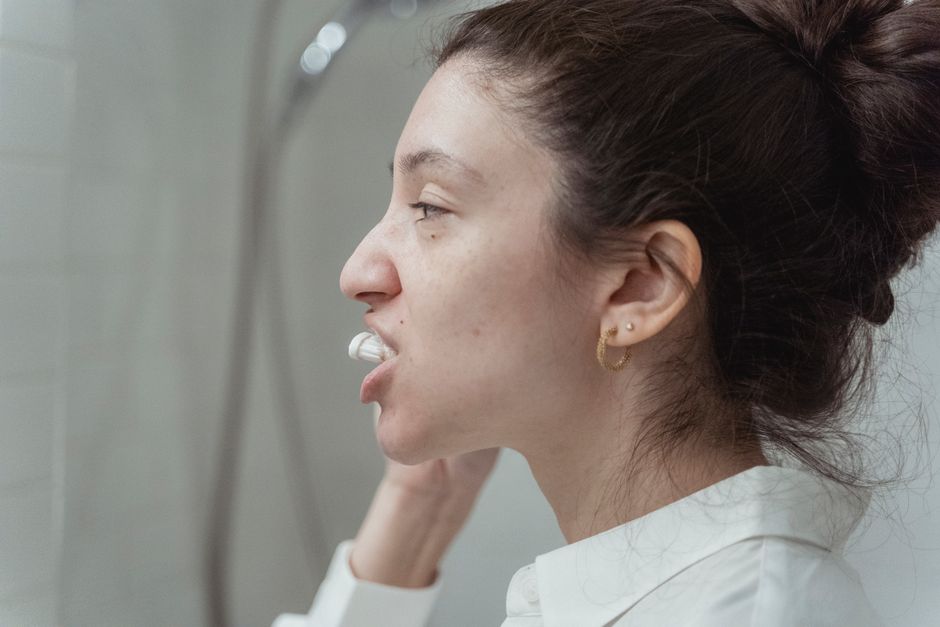
Nobody warned me about keto breath when I started recommending low-carb diets to clients. I knew about the “keto flu,” I knew about the electrolyte issues, but the first time a client came back after two weeks on the diet and mentioned that her husband was sleeping on the other side of the bed, I had to do some real digging.
Here’s what I’ll be honest about upfront: most of the advice floating around on keto breath is either oversimplified (“just drink more water!”) or completely wrong about the underlying cause. That matters, because if you’re treating the wrong problem, you’ll be popping mints forever and the issue won’t budge.
What’s Actually Happening in Your Mouth (and Lungs)
Keto breath isn’t really a mouth problem. That’s the part that trips people up.
When your body shifts into ketosis, it starts producing three ketone bodies: acetoacetate, beta-hydroxybutyrate, and acetone. The first two are used for energy. Acetone, though, is volatile. It gets exhaled directly through your lungs, which is why no amount of brushing changes the underlying smell. You’re literally breathing out a chemical that’s also found in nail polish remover, and your breath smells accordingly: fruity, slightly chemical, sometimes described as overripe fruit mixed with something metallic.
That’s different from regular bad breath, which comes from bacterial activity in your mouth. Standard halitosis responds well to oral hygiene. Keto breath is a systemic issue. Your lungs are the source, not your tongue.
What surprised me was learning that acetone exhalation is actually used as a non-invasive way to measure ketosis in some clinical research settings. A 2019 paper published in the Journal of Breath Research showed a meaningful correlation between breath acetone concentration and blood ketone levels. So in a weird way, keto breath is confirmation you’re doing it right. Cold comfort, I know.
The good news is that for most people, the acute phase is temporary. The frustrating news is that “temporary” can mean two weeks or two months, and during deeper ketosis or extended fasting, it can return.
Why Some People Get It Worse
This is where it gets genuinely individual, and I don’t have clean numbers to give you. From working with clients, I’ve noticed a few consistent patterns though.
People who go very low carb very fast tend to have more pronounced breath issues early on, because the ketone spike is sharper. Someone who drops from 200g of carbs to 20g overnight is going to produce more acetone initially than someone who tapers down over a week. I usually recommend a 10-14 day gradual reduction if someone has a work presentation or a social event coming up, for exactly this reason.
High protein intake also seems to make it worse. Protein metabolism produces ammonia, which compounds the acetone smell into something genuinely alarming. I’ve had clients describe it as “gym locker room meets fruit bowl.” If your breath has that ammonia character on top of the fruity note, dial back protein slightly and see if it shifts.
Dehydration concentrates everything. Dry mouth from inadequate water intake reduces saliva, which is your mouth’s natural rinse cycle, and concentrated urine means your kidneys aren’t clearing as many byproducts efficiently.
The Approaches That Actually Work (and What Doesn’t)
Let me be direct: there’s no single fix. But there’s a hierarchy of what moves the needle.
Hydration is legitimately the highest-leverage thing. Not because it eliminates ketone production, but because adequate water helps your kidneys process and excrete more ketones as urinary acetoacetate rather than pushing everything through your lungs. I tell clients to aim for at least 2.5 to 3 liters a day, especially in the first month. A reader named Elena, who’d been on keto for three weeks with persistent breath issues, emailed me saying she bumped from 1.5 to 3 liters daily and noticed improvement within five days. Not eliminated, but noticeably reduced.
Electrolytes matter more than people realize here. When you’re dehydrated on keto, you’re often also low on sodium, which means you’re drinking water but not retaining it properly. I like LMNT electrolyte packets for this, not because they’re the only option, but because they have an actual therapeutic sodium level (1000mg per packet) without any sugar. Plain water isn’t always enough.
Green foods and chlorophyll. This one sounds a little out there, but chlorophyll has real data behind it as a breath deodorizer. It works differently from mints because it’s binding to and partially neutralizing the odor compounds rather than just masking them. Parsley specifically contains volatile oils that help. I had a client who started eating a small handful of fresh parsley after meals and reported genuine improvement, though she also found it profoundly weird to keep parsley in her desk drawer at work. (It is. She did it anyway.)
Tongue scraping. Won’t fix the acetone issue but will remove bacterial buildup that makes things worse. There’s a meaningful difference between keto breath and keto breath plus regular oral bacteria doing their thing. A $9 stainless steel tongue scraper used daily removes one layer of the problem.
Mints and gum: These mask, they don’t treat, and many keto-marketed mints have enough maltitol or sorbitol to kick sensitive people out of ketosis anyway. If you’re going to use them, use xylitol-based gum. PUR gum is widely available and xylitol-only. But be honest with yourself that you’re covering, not correcting.
Slightly increasing carbs. This is the one people resist hearing. If you’re running at 15g of net carbs per day and the breath is still intense after six weeks, bumping to 30-35g often reduces acetone output noticeably without fully knocking you out of ketosis. You may lose some fat-burning efficiency, but you’ll stay low-carb and lose the social handicap. Whether that tradeoff works depends on your goals.
Timeline and What to Expect
Here’s the honest picture, based on what I’ve seen clinically and what the research suggests.
Most people hit peak intensity around weeks two through four, when ketone production is ramping up but metabolic adaptation hasn’t fully kicked in. By month three, most people have adapted enough that their bodies are using ketones more efficiently and producing less excess acetone. It’s not gone for everyone, but it’s usually manageable.
Here’s a real-world comparison I tracked informally with three clients who all started keto within the same month, with different approaches:
Client starting at 20g carbs, no hydration change → breath persisted strongly through week 8, then gradually improved.
Client starting at 20g carbs plus 3L daily water and LMNT → reported noticeable improvement by week 3, manageable by week 5.
Client who started at 30g carbs and gradually dropped → mild breath throughout, never described it as a major issue, in ketosis confirmed by blood meter by week 6.
The takeaway isn’t that lower carb is worse overall. It’s that the speed and depth of the initial drop affects early symptom intensity.
A Practical Comparison of Breath-Management Options
| Approach | Cost | Effectiveness | Treats Cause or Symptom | Notes |
|---|---|---|---|---|
| Increase water to 3L/day | ~$0 | High | Cause (partial) | Most underutilized fix |
| Electrolyte supplementation | $35-60/month | High | Cause (supports hydration) | LMNT, Ultima, etc. |
| Tongue scraper (daily use) | $9 one-time | Moderate | Symptom + bacterial layer | Use every morning |
| Chlorophyll drops/parsley | $10-15/month | Moderate | Symptom (neutralizing) | Chlorophyll drops easy to add to water |
| Xylitol gum/mints | $5-12/month | Low (masking only) | Symptom only | Avoid maltitol blends |
| Slight carb increase (to 30-35g) | $0 | High | Cause | Best for persistent cases |
| Oil pulling (MCT or coconut) | $15-20/month | Low-moderate | Symptom | Oral bacteria reduction, not acetone |
As of July 2026, the supplement market is flooded with products claiming to “eliminate” keto breath. I haven’t seen evidence that any of them do something the above approaches don’t already do, and most are dramatically overpriced for what they are.
Sources
- Journal of Breath Research (2019): Study on correlation between exhaled breath acetone and blood ketone levels in subjects on ketogenic diets.
- Paoli A, et al. “Beyond weight loss: a review of the therapeutic uses of very-low-carbohydrate (ketogenic) diets.” European Journal of Clinical Nutrition (2013): Covers metabolic byproducts of ketosis including acetone production.
- Musa-Veloso K, et al. “Breath acetone is a reliable indicator of ketosis in adults consuming ketogenic meals.” American Journal of Clinical Nutrition (2002): foundational paper establishing breath acetone as a ketosis marker.
- Academy of Nutrition and Dietetics: Position papers on low-carbohydrate dietary patterns and clinical monitoring considerations.
Photo: MART PRODUCTION via Pexels
This article is for general informational purposes only and does not constitute medical or dietary advice. Always consult a licensed healthcare provider or registered dietitian before making significant changes to your diet, especially if you have a medical condition.