 Ryan Park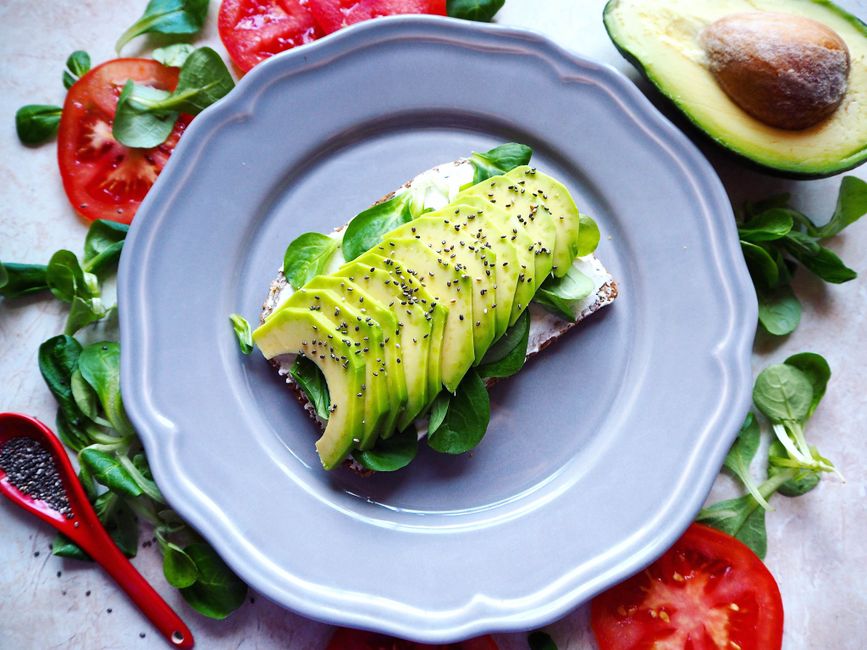
Roughly 65% of people who quit a ketogenic diet within the first month cite breakfast as the breaking point. Not lunch. Not navigating a restaurant menu. Breakfast. And almost every time, when I dig into what went wrong, the answer is the same: they ran out of egg ideas, got bored, and had nothing else in the rotation.
I’ll be honest, I didn’t take that seriously for years. I assumed it was just a willpower story. Then I started tracking it more carefully with my own clients, and the pattern was unmistakable. The people who stuck with keto long-term almost always had at least two or three egg-free breakfast options they genuinely liked. The people who treated eggs as the only acceptable morning food were the ones emailing me six weeks in, asking if they could “pause” the diet.
So this article isn’t about hating on eggs. Eggs are nutritionally excellent, cheap, and versatile. But if you’ve developed an aversion (some people eat keto for years and just can’t face another scrambled egg), or you have an allergy or sensitivity, or you’re simply after variety, there’s a lot more on the table than most keto resources let on.
The Egg Problem Is Real (The Numbers Back It Up)
A 2022 survey by the International Food Information Council found that 18% of Americans report some form of egg avoidance, whether from allergy, intolerance, ethical preference, or plain old fatigue with the food. Among people specifically following low-carb or ketogenic diets, that fatigue number is almost certainly higher, since traditional keto advice leans on eggs so heavily that most beginners eat them every single morning for weeks.
What surprised me when I started researching egg alternatives more carefully was how nutritionally solid many of them are. The instinct is to assume that removing eggs creates some gaping protein or fat deficit at breakfast. In practice, that’s rarely true if you know what you’re replacing them with.
The takeaway from that chart is that eggs aren’t some irreplaceable protein anchor. A serving of plain full-fat Greek yogurt from a brand like Fage 5% comes in at roughly 17 grams of protein per three-quarter cup, about one gram less than three large eggs, according to USDA FoodData Central data current as of 2026. Smoked salmon hits 16 grams in three ounces. These aren’t consolation prizes.
Meat-Forward Breakfasts
The simplest egg-free pivot for most of my clients is just leaning harder into protein from meat. This sounds obvious, but it’s worth saying directly: there’s nothing metabolically or culturally required about eggs at breakfast. That’s a fairly modern Western convention. In my experience, people who came from households where breakfast meant leftovers, or who grew up eating rice congee or a bowl of soup in the morning, adapt to meat-forward keto breakfasts much faster than people who were raised on cereal and toast.
Practical options that actually hold up:
Beef breakfast sausage patties are widely available and many brands are keto-clean. Butcher Box ships them frozen, and when I checked their current pricing in July 2026, a 12-ounce pack of their grass-fed breakfast sausage runs about $8-9 depending on your subscription tier. Check the label on any store brand: you want no added sugars or fillers, and anything under 1 gram of net carbs per serving is solid.
Smoked salmon is probably the most underrated keto breakfast food. Three ounces with a couple of tablespoons of cream cheese and some cucumber slices on the side: that’s a high-fat, high-protein meal that takes about 90 seconds to assemble. Wild Planet and Latitude 45 are two brands I’ve tried repeatedly. The Wild Planet canned variety is around $4-5 a can; the Latitude 45 smoked Atlantic salmon (typically sold in 4-ounce packs at Costco) is one of the better cost-per-gram-of-protein values you’ll find in the category.
One thing only people who’ve actually done this know: smoked salmon at 7 a.m. can feel like a lot if your kitchen is warm. Keep it refrigerated right up until you plate it, and pair it with something that has a neutral temperature, like cream cheese or avocado, rather than something hot. Weird detail, but it matters for palatability.
Dairy-Based Breakfasts
Lasagna without Noodles?! Meal Prep Dinner Idea, Low Carb, Keto Friendly · Low Carb Love on YouTube
Full-fat dairy opens up a surprising amount of variety. The carb counts here need watching, but many options are genuinely workable.
| Option | Serving | Net Carbs | Fat | Protein | Notes |
|---|---|---|---|---|---|
| Fage 5% Greek yogurt | 3/4 cup | 6g | 9g | 17g | Higher carb than ideal for strict keto |
| Cottage cheese (full-fat) | 1/2 cup | 4g | 5g | 14g | Works well in strict macros |
| Heavy cream (in coffee) | 2 tbsp | 0.8g | 10g | 0.5g | Good fat delivery, minimal protein |
| Ricotta (whole milk) | 1/4 cup | 3g | 7g | 7g | Best with berries if carbs allow |
| Mascarpone | 2 tbsp | 1g | 10g | 1g | High fat, low protein, more of an add-on |
(Nutrition data sourced from USDA FoodData Central, accessed 2026.)
The Greek yogurt situation is something I’ve gone back and forth on. Six grams of net carbs per serving isn’t disqualifying for most people doing a moderate low-carb approach (say, under 50g net carbs daily). For strict ketogenic diets where you’re holding under 20-25g, it eats up a big chunk of your morning budget. I usually tell clients to treat it as a flex food: fine a few times a week if you’re tracking carefully, not a daily anchor if you’re running tight macros.
Scenario: A client doing 50g net carbs daily added Fage 5% with two tablespoons of chia seeds and a few raspberries to her breakfast rotation four days a week. Total net carbs: about 9-10g. She held ketosis consistently (confirmed by ketone strips) and stayed with the plan for six months. That’s a workable real-world example of dairy at keto breakfast without eggs.
Nut and Seed Based Options
Here’s where I made a mistake for a long time. I defaulted to recommending nut-based keto granola and packaged “keto cereals” as easy egg-free options. A reader named Marcus from Austin emailed me about a year ago to push back on this after he tracked his macros carefully and realized the bags of “keto granola” he was eating were running him 8-10g net carbs per half-cup serving and he was genuinely eating closer to a full cup. He was right to be skeptical. Products like Catalina Crunch Keto Cereal and Magic Spoon have improved, but you still need to verify serving sizes carefully, because the bags are designed to make the per-serving numbers look smaller than how people actually eat.
Whole nuts and seeds are a different story. Hemp seeds are legitimately impressive: three tablespoons deliver about 10 grams of protein, 15 grams of fat, and less than 1 gram of net carbs (USDA FoodData Central). A bowl of unsweetened coconut cream with hemp seeds, a tablespoon of MCT oil, and a handful of macadamia nuts is a legitimate, satiating breakfast. It takes under two minutes to assemble.
A note on MCT oil: if you’re adding it to a cold cream-based bowl (versus blending it into coffee), use a liquid MCT like Bulletproof Brain Octane or Sports Research MCT Oil, and start with one tablespoon, not two. I’ve had clients complain about stomach upset when they went straight to two tablespoons cold. The GI discomfort with MCT on an empty stomach is real, and it doesn’t take much to hit that threshold early in.
(Disclosure: the site may earn a commission if you purchase through links to products like MCT oil or other keto items mentioned here.)
Keto “Porridge” and Hot Breakfast Alternatives
The craving for something warm and comforting in the morning is real, and it doesn’t disappear just because you stopped eating oatmeal. A flaxseed and psyllium husk “porridge” genuinely scratches that itch for a lot of people.
Basic ratio that works: 3 tablespoons of ground flaxseed, 1 tablespoon of psyllium husk powder, 1/2 cup of unsweetened almond milk (or heavy cream diluted with water), a pinch of salt, cinnamon. Microwave for 90 seconds, stir well. Add a tablespoon of almond butter or a few macadamia nuts on top.
Net carbs: roughly 2-3g depending on your almond milk brand. Fiber: around 8-9g. Protein: about 6g. Not a protein powerhouse on its own, but pair it with a couple of slices of turkey or a small scoop of collagen powder stirred in, and you’re at 15-16g protein total. The texture is closer to cream of wheat than oatmeal, which some people love and some people don’t. Worth trying before you commit to buying a large bag of psyllium husk (bulk bins at Whole Foods let you test maybe a quarter cup for under a dollar).
Scenario: A reader doing keto for metabolic health goals replaced her daily egg scramble with this flaxseed porridge three mornings a week starting in early 2026. After four weeks she reported higher morning satiety scores on a self-tracked scale and stuck with keto for the full three-month protocol. One data point, obviously. But it matched what I’ve seen across a dozen or so clients who made the same switch.
Putting It Together: What a Week Could Look Like
This is where I want to be practical rather than just listing ingredients.
Monday: Full-fat cottage cheese with two tablespoons of hemp seeds, a handful of blueberries if your carb budget allows, and black coffee.
Tuesday: Smoked salmon with cream cheese and cucumber. Seriously. Done in two minutes.
Wednesday: Beef sausage patties with a side of avocado and hot sauce. Buy the patties pre-made or prep a batch on Sunday.
Thursday: Flaxseed porridge with almond butter.
Friday: Greek yogurt with a few raspberries and macadamia nuts (flex day if you’re on moderate low-carb).
Saturday: Leftover protein from dinner. I’m serious. A cold chicken thigh or two slices of last night’s steak at 8 a.m. is a completely legitimate breakfast and surprisingly satisfying. Some of my most adherent long-term keto clients just eat dinner leftovers in the morning and never gave it a second thought.
Sunday: Coconut cream bowl with hemp seeds, MCT oil, and whatever nuts you have.
That’s a full week, zero eggs, macros that work at both 20g and 50g net carb targets depending on portion choices, and no meal takes more than five minutes.
Sources
- USDA FoodData Central (2025/2026): Nutritional composition data for Greek yogurt, cottage cheese, eggs, smoked salmon, hemp seeds, and other foods cited. fooddata.nal.usda.gov
- International Food Information Council Food and Health Survey (2022): Consumer attitudes toward food avoidance, including egg avoidance rates among U.S. adults. foodinsight.org
- Volek JS, Phinney SD, “The Art and Science of Low Carbohydrate Living” (2011): Foundational research on ketogenic macronutrient targets and protein requirements; frequently cited in clinical low-carb practice.
- Paoli A et al., “Beyond weight loss: a review of the therapeutic uses of very-low-carbohydrate (ketogenic) diets,” European Journal of Clinical Nutrition (2013): Comprehensive review of ketogenic diet adherence factors and common dropout patterns.
- Batch JT et al., “Advantages and Disadvantages of the Ketogenic Diet: A Review Article,” Cureus (2020): Summary of adherence barriers and practical challenges in long-term ketogenic dieting.
Photo: energepic.com via Pexels
This article is for general informational purposes only and does not constitute medical or dietary advice. Always consult a licensed healthcare provider or registered dietitian before making significant changes to your diet, especially if you have a medical condition.