 Diana Walsh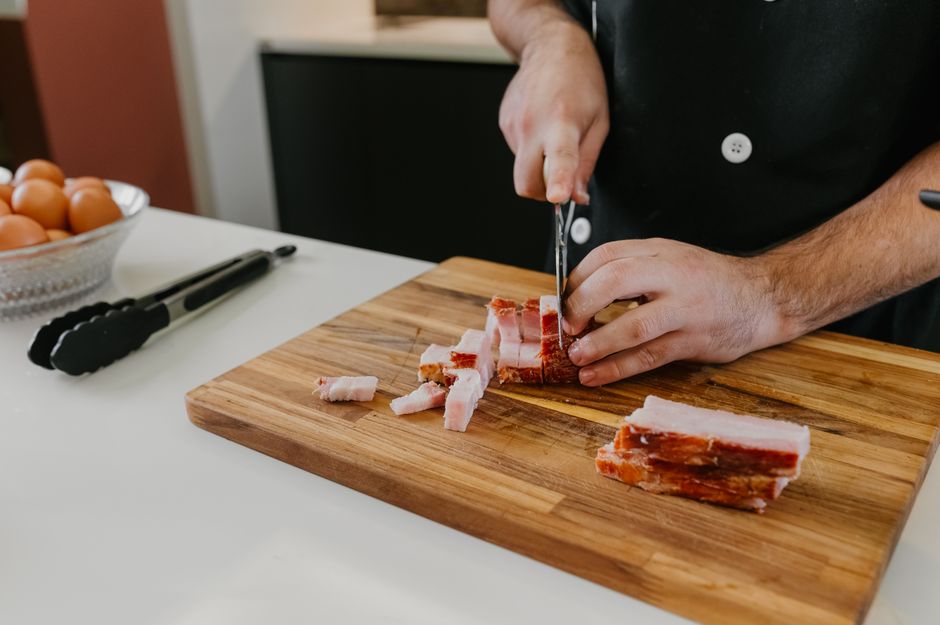
Most people start keto for fat loss, then decide a few months in that they also want to actually look like they lift. That’s where things get complicated, because almost every keto resource out there is built around one goal or the other, not both. I’ve worked with clients who were genuinely lean and genuinely frustrated that they couldn’t seem to add muscle no matter how dialed-in their training was, and nine times out of ten the problem was their food, specifically not enough protein and way too little attention to nutrient timing.
Let me be direct about something upfront: keto bodybuilding is harder than either keto or bodybuilding alone. It requires more precision, more planning, and honestly a more mature relationship with the scale, because the number will not behave the way you expect. But it absolutely works. I’ve seen clients hold onto hard-earned muscle through aggressive cuts and add meaningful size while staying in ketosis. The protocol matters enormously.
The protein question (and why most keto advice gets it wrong)
Standard keto advice caps protein somewhere around 20-25% of calories because of concerns about gluconeogenesis, the process by which your liver converts amino acids to glucose. The fear is that too much protein kicks you out of ketosis. This gets repeated constantly, and for the average person doing keto to lose weight, it’s probably fine guidance. For someone trying to build or preserve muscle mass, it’s actively counterproductive.
The research on gluconeogenesis is clear: it’s largely demand-driven, not supply-driven. Eating more protein doesn’t automatically mean more glucose production. Your body is not that clumsy. A 2016 study published in the American Journal of Clinical Nutrition showed that protein intakes well above typical keto recommendations did not meaningfully spike insulin or disrupt ketosis in adapted individuals.
For keto bodybuilding, I’d set protein at a minimum of 0.8 grams per pound of bodyweight, and I often push clients toward 1.0-1.2 grams per pound when they’re in a deficit or when they’re new to the combined protocol. That’s a lot of protein on paper. A 190-pound person is looking at 150-225 grams daily. Hitting that number on keto takes planning.
Best sources: eggs, ground beef (80/20 hits both protein and fat targets well), salmon, chicken thighs rather than breasts (better fat ratio), and full-fat Greek yogurt if you tolerate dairy. Cottage cheese works too. Whey protein is fine, but I’d lean toward a whey isolate to keep carbs predictable. Something like Optimum Nutrition Gold Standard 100% Whey is a reliable choice without a lot of hidden carbs. (This site may earn a commission on qualifying purchases.)
Building the actual meal structure
| Nutrient | Daily Target (Training Day) | Daily Target (Rest Day) |
|---|---|---|
| Calories | ~2,600 | ~2,300-2,400 |
| Protein | 190g | 190g |
| Fat | 200g | ~170-185g |
| Net Carbs | <30g | <30g |
| Sodium | 3,000-5,000mg | - |
| Potassium | 3,500mg | - |
| Magnesium | 400-500mg | - |
Here’s what a training-day meal plan looks like for someone at roughly 185 pounds trying to build lean muscle on keto, targeting about 2,600 calories, 190g protein, 200g fat, and under 30g net carbs:
Meal 1 (Pre-training, about 90 minutes before): 4 whole eggs scrambled in 1 tablespoon butter, 4 oz ground beef, black coffee with a tablespoon of MCT oil. Something like Sports Research MCT Oil mixes cleanly and doesn’t upset most people’s stomachs the way pure C8 powder sometimes does. (Commission disclosure applies.)
Roughly 600 calories, 45g protein, 50g fat, 1g net carbs.
Meal 2 (Post-workout, within 60-90 minutes): This is where I’d concentrate the most protein. 8 oz salmon or 8 oz chicken thighs, 2 cups spinach sautéed in olive oil, half an avocado. Around 55g protein, and you’re getting some anti-inflammatory benefit from the fish oil if you go with salmon. Post-workout is not the time to be stingy with food.
Meal 3 (Midday): A simple meal: 6 oz ribeye or burger patty, a handful of macadamia nuts, some full-fat cheese. Keep it practical. You don’t need to cook everything from scratch. Investing in a decent set of glass meal prep containers saves an enormous amount of daily decision fatigue. (Commission disclosure applies.)
Meal 4 (Evening): Casein protein or cottage cheese with a tablespoon of almond butter before bed. Slow-digesting protein through the night actually matters for muscle protein synthesis. It’s not mandatory, but if you’re serious about building, this is an easy habit.
On rest days, drop calories by roughly 200-300 and pull fat intake back slightly. Protein stays the same. Don’t overthink rest days.
Electrolytes are not optional
Nutritionist Shares Meal Plan For Doing Keto Over The Long Term · TODAY on YouTube
This deserves its own section because I cannot count the number of bodybuilders who’ve told me keto “wrecked their strength” in the first few weeks. It almost always comes back to electrolytes. When you’re training hard and eating low-carb, you’re losing sodium, potassium, and magnesium at rates that will genuinely impair muscle function and make you feel terrible.
You need more than most keto electrolyte products provide. I’d target at least 3,000-5,000mg sodium daily on training days, 3,500mg potassium, and 400-500mg magnesium. A product like LMNT covers the sodium side well. For magnesium, a separate magnesium glycinate supplement before bed is worth it, and it tends to help sleep quality too. (Commission disclosure applies.)
Don’t try to white-knuckle through the adaptation period without addressing this. The “keto flu” in athletes is almost always an electrolyte problem, not an inevitable rite of passage.
The creatine question
Take it. Creatine monohydrate is one of the most studied supplements in sports nutrition and it’s particularly useful on keto because glycogen depletion reduces your muscles’ capacity for short, explosive efforts. Five grams daily, no loading phase required. It’ll cause a small bump in scale weight from water retention in muscle tissue, which confuses people who are simultaneously tracking fat loss. Don’t let it.
Tracking and adjusting
Sources
- Optimum Nutrition Gold Standard 100% Whey
- Sports Research MCT Oil
- glass meal prep containers
- LMNT
- This one from OXO
Get a kitchen scale. I mean this seriously. This one from OXO is accurate, durable, and about $50. (Commission disclosure applies.) Eyeballing food is fine once you have years of experience. Until then, you are almost certainly overestimating protein and underestimating fat.
Track for at least 6 weeks before drawing conclusions. Muscle gain on keto is slower than on a higher-carb diet, full stop. If someone tells you otherwise, they’re selling something. In my experience, a realistic rate is about 0.5-0.75 pounds of lean mass per month for most natural trainees. That’s not nothing, and it comes with genuinely low body fat, but you have to go in with that expectation or you’ll bail too early.
Photo: Jonathan Borba via Pexels
This article is for general informational purposes only and does not constitute medical or dietary advice. Always consult a licensed healthcare provider or registered dietitian before making significant changes to your diet, especially if you have a medical condition.