 Mark Chen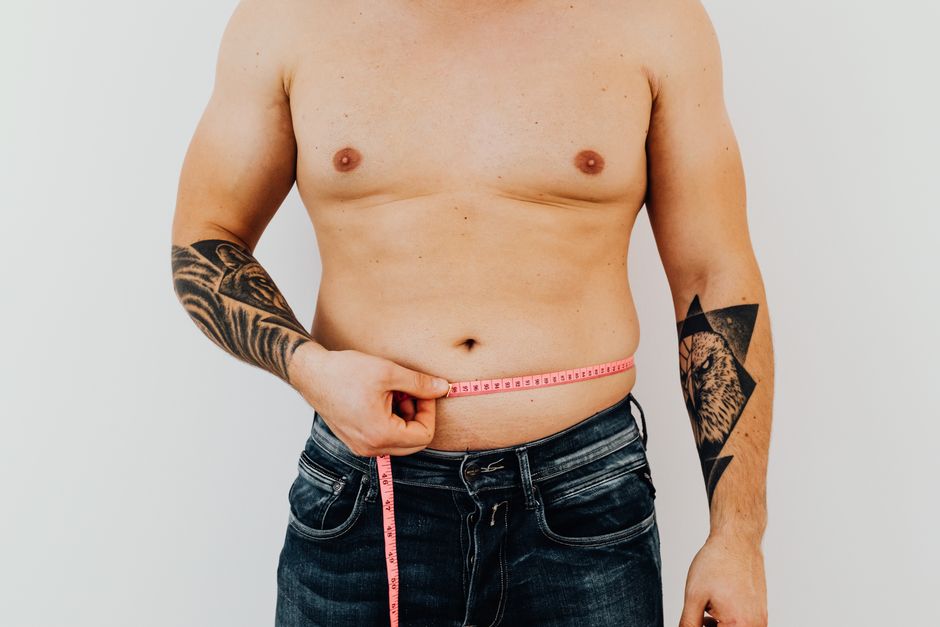
Most people come to keto with a mix of hope and skepticism. You’ve probably scrolled through dramatic before-and-afters, read a few success stories, and you’re trying to figure out what’s actually real versus what’s been optimized for shock value. That’s smart. I’ve worked with clients one-on-one for years now, and I’ve seen keto produce genuinely striking results for some people and frustratingly modest ones for others. The difference almost never comes down to willpower.
Let’s talk about what actually changes, when it changes, and why the transformation photo you saved to your phone might not match your own experience.
This evidence-based timeline helps you distinguish normal adaptation from stalls, with realistic ranges based on typical outcomes.
| Timeframe | Primary Change | Typical Scale Movement | What You'll Feel | Red Flag to Watch |
|---|---|---|---|---|
| Days 1-7 | Glycogen depletion, water loss | 3-8 lbs lost (mostly water) | Rapid deflation, reduced bloating | Severe dizziness (increase sodium to 3,000-5,000mg) |
| Days 8-14 | Early ketosis, electrolyte shifts | 1-3 lbs lost | Possible keto flu: fatigue, headache, brain fog | Heart palpitations (potassium/magnesium deficit) |
| Weeks 3-4 | Fat adaptation begins | 0.5-2 lbs/week | Energy stabilizing, appetite decreasing | No weight change AND no measurement change |
| Weeks 5-8 | Metabolic flexibility improving | 0.5-1.5 lbs/week | Steady energy, reduced cravings | Persistent fatigue (may need more calories) |
| Months 3-6 | Body recomposition phase | Scale may stall while body reshapes | Clothes fitting differently, face thinning | Hair shedding (protein intake may be too low) |
| Month 6+ | New baseline established | Highly individual | Diet feels sustainable or doesn't | Obsessive food focus (reassess approach) |
General information for comparison, confirm specifics for your situation.
The First Two Weeks: What’s Actually Happening
Here’s what I tell people before they start: the first week is almost always misleading, in both directions.
Your body stores carbs as glycogen in muscle tissue and the liver. Glycogen holds water. About 3-4 grams of water per gram of glycogen, to be exact. When you cut carbs down to the 20-50g range that most strict keto protocols call for, you burn through those glycogen stores fast, and that water goes with it. Most people drop somewhere between 3 and 8 pounds in week one. It feels incredible. It’s mostly water.
That’s not a criticism of keto. It still represents real metabolic change. Your insulin’s dropping, you’re shifting toward fat oxidation, and for people who were bloated from carb overload or food sensitivities, that physical relief is immediate and actual. But I always want clients to know what they’re looking at so they don’t feel ripped off later when week three brings slower numbers.
Weeks one and two also bring keto flu for a lot of people. Not everyone, but enough that you should expect it. Fatigue, headaches, brain fog, sometimes cramps. This is mostly an electrolyte problem. Dropping insulin tells your kidneys to dump sodium more aggressively, and sodium pulls potassium and magnesium along with it. I’ve recommended LMNT electrolyte packets to roughly a hundred clients by now. Not because they’re magic, but because people who use them consistently in the adaptation phase report feeling noticeably better than those who don’t. (Disclosure: this site may earn a commission on purchases made through links here.)
Months One Through Three: Where the Real Before-and-After Happens
Stay consistent through months two and three, and that’s often when people look in the mirror and think “okay, this is real.” Fat loss becomes visible. Energy stabilizes. The mental clarity keto advocates won’t shut up about actually kicks in for a lot of people, though the research here is more observational than ironclad.
What you’ll probably notice:
Clothes fit differently before the scale moves much. This surprises people. Visceral fat (the kind around your organs) responds faster than subcutaneous fat (the kind under your skin). Your waist can drop meaningfully while the scale barely budges. A good body tape measure is more useful than most people think at this stage.
Blood markers often improve significantly in this window. Triglycerides drop. HDL usually rises. Fasting glucose and insulin come down for most people, sometimes sharply. A 2022 paper in Frontiers in Nutrition found that people on well-formulated ketogenic diets saw average triglyceride reductions of around 20% after 12 weeks. That kind of metabolic shift doesn’t photograph well, but it’s arguably the more meaningful transformation.
LDL is the tricky one. It goes up for some people, down for others, and nowhere for plenty more. If your LDL rises on keto, don’t panic. Don’t dismiss it either. Talk to your doctor. Particle size matters here, so get a proper lipid panel rather than just a standard cholesterol number.
The People Who See the Most Dramatic Results
Let me be straight about this because the before-and-after content online isn’t a random sample.
People who see the most striking transformations on keto share a few things. They started with significant insulin resistance or metabolic syndrome. They had a lot of weight to lose, often 50 pounds or more. They came from a high-carb, processed-food baseline. And they stuck with it for at least six months.
If you’re already metabolically healthy, relatively lean, and eating reasonably whole foods, keto might help you, but the physical transformation won’t be dramatic. That doesn’t mean it’s not working. It means you weren’t starting from the same place.
Here’s what nobody talks about enough: some people just respond better to fat restriction. I’ve had clients do beautifully on keto and clients who ate perfectly by every metric and just… didn’t get results. The research on individual dietary variability is still catching up. A 2020 Stanford follow-up (part of the DIETFITS trial) suggested that predicting who’ll respond to low-carb versus low-fat based on genetics or insulin secretion isn’t reliable yet. We’re not there.
What Sustainable “After” Actually Looks Like
Sources
- LMNT electrolyte packets
- body tape measure
- blood ketone meter
- in Frontiers in Nutrition
- feeling noticeably better than those who don’t
The photos always show a before and a specific after moment. They never show what happens at month 18.
Long-term keto maintenance is genuinely possible for some people. I have clients who’ve eaten this way for four or five years and feel better than they have in decades. I also have clients who cycled off after a year, regained some weight, and are still trying to figure things out. Regain on keto isn’t inevitable, but it’s common if you slip back into old patterns without a transition plan.
What tends to work long-term: keeping protein high (at least 1.2-1.6g per kg of body weight), not obsessing over a specific ketone number on a blood ketone meter, and allowing yourself a few non-keto meals without treating it like failure. Some people do well with cyclical keto, higher-carb eating on weekends or around intense training. The research on that approach is sparse, but I’ve seen it help people stay on track longer.
The most durable transformations I’ve witnessed weren’t built on perfection. They were built on people who understood what they were eating and why, and who kept showing up even when the scale stalled.
This article is for general informational purposes only and does not constitute medical or dietary advice. Always consult a licensed healthcare provider or registered dietitian before making significant changes to your diet, especially if you have a medical condition.