 Diana Walsh
Most articles about keto beef jerky spend three paragraphs telling you jerky is “a great high-protein snack” before getting to anything useful. You already know that. What they bury, or skip entirely, is the one thing that actually matters: most commercial jerky is loaded with enough sugar and maltodextrin to knock you out of ketosis, and the “keto-friendly” labels on store shelves are doing some real creative math.
Let me be specific. A standard 1-ounce serving of Jack Link’s Original has around 5 grams of sugar. Grab a 3-ounce bag from a gas station and suddenly you’ve eaten 13-15 grams of net carbs before lunch. That’s not a minor rounding error. For someone keeping carbs under 20 grams daily, that’s basically your entire budget in dried beef.
What to Actually Look for on the Label
The ingredient list is more honest than the front of the package. Sugar, brown sugar, honey, teriyaki sauce, high fructose corn syrup, and maltodextrin all show up regularly in jerky that’s marketed as healthy or protein-forward. “Natural flavors” can hide sweeteners too, though that one’s harder to track down.
Net carbs are your number. Total carbs minus fiber. Fiber in jerky is usually zero, so the math is simple: total carbs equals net carbs. You want 3 grams or fewer per serving, ideally 1 or 2. Sodium is irrelevant from a keto standpoint (you need more sodium anyway, not less). Don’t let a high sodium count steer you away from an otherwise clean product.
Protein and fat ratio matters more than most people think. Lean jerky made from top round is high protein, low fat. If you’re eating keto and tracking macros, that’s fine. If you’re eating it as a fat source expecting to stay satiated, you’ll be disappointed. Jerky isn’t butter. It keeps you occupied; it doesn’t keep you full the way fat does.
The Brands Worth Buying (and One I’d Skip)
| Brand | Net Carbs per Serving | Key Features | Price Point |
|---|---|---|---|
| Chomps | 1g | Grass-fed, no sugar added, clean ingredients | ~$1.25/stick |
| Epic Provisions (beef jerky) | 1-2g | Original salt & pepper flavor | Premium |
| Krave | 6-9g | Marketed as premium, multiple high-carb flavors | Premium |
| Great Value (Walmart) | 2g | Budget option, original flavor only | ~50% less than premium |
| Homemade (from recipe) | 0g | Full control, significant cost savings | ~$1.25-1.75/oz finished |
I’ve worked through a lot of these with clients, and the landscape has improved meaningfully in the last few years. A few brands actually get it right.
Chomps is the one I recommend most often. Grass-fed beef, 1 gram of carbs per stick, no sugar added, clean ingredients. The texture is drier and denser than gas-station jerky, which some people need a day or two to adjust to. Currently around $30 for a 24-count on Amazon (the site may earn a commission on purchases made through links here). That math works out to about $1.25 per stick, which sounds expensive until you compare it to what you’d pay for a 3-ounce bag of lesser jerky that wrecks your carb count.
Epic Provisions makes solid meat bars, though read each flavor carefully because some use honey or fruit. The bison bacon cranberry one, for instance, has more carbs than it looks like it should. The plain beef sea salt bar is fine. Their beef jerky strips in the original salt and pepper flavor run about 1-2 grams of net carbs per serving.
Krave is the brand I’d steer people away from. It’s marketed as a premium product and it tastes good, but most of their flavors run 6-9 grams of net carbs per serving. The Chili Lime flavor has 9. That’s closer to candy than keto food.
For people who want a cheaper option, Walmart’s store-brand Great Value jerky in “original” flavor runs about 2 grams of net carbs per serving. Not grass-fed, not pretty, but it works and costs about half what premium brands charge. No one ever writes about this. I find that annoying.
Making Your Own: This Is Actually Worth It
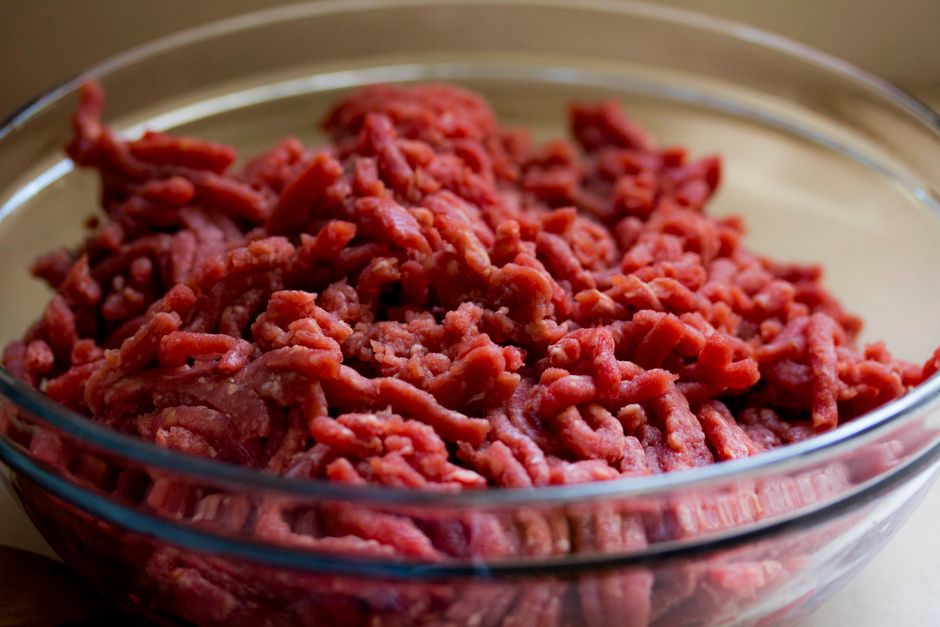
Here’s the contrarian take I’ll defend: making jerky at home is not as complicated as it sounds, and the cost savings are significant enough that it’s worth doing if you eat jerky more than occasionally. A pound of 90/10 ground beef runs $5-7 depending on where you live. From that you’ll get roughly 3-4 ounces of finished jerky. Compare that to 4 ounces of premium commercial jerky at $10-14.
The seasoning is where you control everything. My standard marinade for 2 pounds of sliced beef (eye of round works well, sliced thin against the grain, about 1/4 inch):
- 1/2 cup soy sauce or coconut aminos (coconut aminos if you want it soy-free and slightly sweeter without sugar)
- 2 tablespoons Worcestershire sauce (check the label; most standard Worcestershire has minimal carbs per serving)
- 1 teaspoon smoked paprika
- 1 teaspoon garlic powder
- 1 teaspoon onion powder
- 1/2 teaspoon black pepper
- 1/2 teaspoon red pepper flakes
- No sugar, no molasses, no honey
Marinate 8-12 hours. Dehydrate at 160°F for 4-6 hours, or use an oven at its lowest setting with the door cracked. A dedicated food dehydrator like the Cosori CP267-FD (currently around $60 on Amazon, commissions may apply) makes this dramatically easier and more consistent than oven-drying. Finished jerky keeps about a week at room temperature, longer in the fridge.
The first time I made a batch, I left it in the dehydrator too long and ended up with something closer to beef leather. Edible, technically. Not enjoyable. Pull a piece out at 4 hours and test the texture before committing the whole batch.
The Protein Spike Question
Sources
One thing I want to address directly because I see it come up in keto forums: eating a lot of lean protein, like plain beef jerky, does not meaningfully raise your insulin the way carbohydrates do in most people. The concern that protein “kicks you out of ketosis” through gluconeogenesis is overstated for typical amounts. Eating 4 ounces of jerky is not going to undo ketosis in a fat-adapted person. If you’re eating 400 grams of protein a day, that’s a different discussion. Normal snacking amounts? Don’t worry about it.
What will actually interrupt ketosis is the sugar in the jerky, not the protein. Keep your eye on the right thing.
Photo: Radwan Menzer via Pexels
This article is for general informational purposes only and does not constitute medical or dietary advice. Always consult a licensed healthcare provider or registered dietitian before making significant changes to your diet, especially if you have a medical condition.