 Mark Chen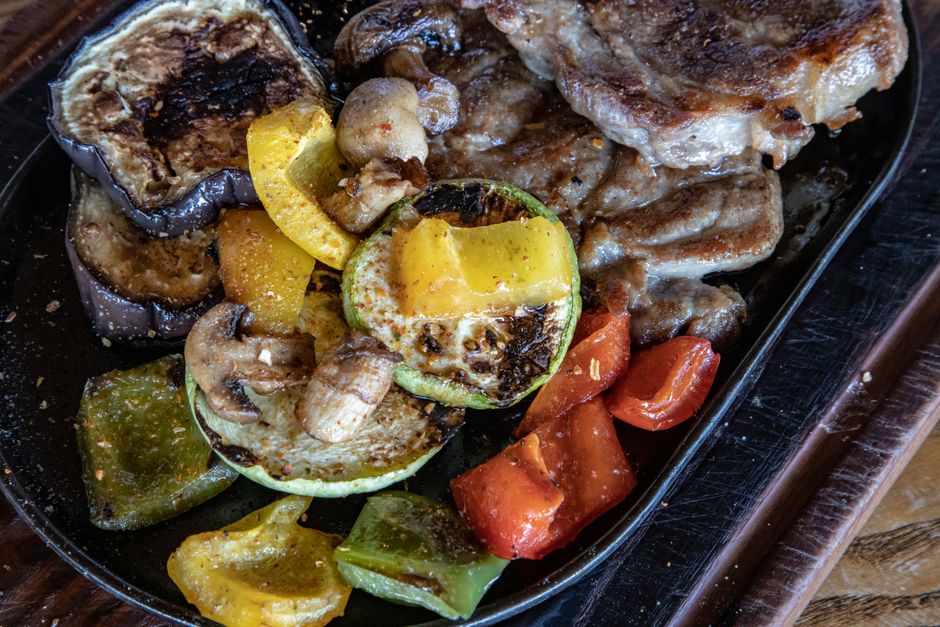
Most keto advice about eating out is written by someone who cooked every meal at home for six months straight and then declared restaurants “totally manageable.” I’ll be honest: the first time I tried to stay keto at a sit-down restaurant, I thought I had it handled, ordered a “bunless burger with extra lettuce,” and then watched the server bring me a sad pile of iceberg with a patty balanced on top, plus a side of fries “because those come with it.” I ate the burger. I picked at the fries. I told myself I’d been mostly keto.
That was years ago. Since then I’ve helped clients work through restaurant eating across nearly every cuisine type, tracked what actually derails people (it’s rarely the obvious stuff), and built a mental framework that holds up in practice, not just in theory. What surprised me was how much of the failure happens before anyone looks at the menu.
- Ask for sauces and dressings on the side; hidden sugars in sauces are the #1 keto-restaurant pitfall.
- Swapping a starchy side for double vegetables or a side salad works at roughly 90% of casual dining restaurants.
- Carbs in restaurant food run 30-60% higher than menu estimates due to portion creep and batch sauces.
- Ethnic cuisines (Mexican, Thai, Chinese) have good keto options but require specific, confident ordering.
- Calling ahead or checking the online menu takes 4 minutes and eliminates most of the guesswork.
The Thing That Gets People Before They Sit Down
Decision fatigue is real. If you arrive at a restaurant hungry, with no plan, and you’re staring at a laminated menu with seventeen pasta dishes, you’re going to make a worse call than if you’d spent ninety seconds on their website beforehand. This isn’t a willpower failure. It’s just how the brain works under time pressure and low blood sugar.
My standard advice: look up the menu before you go. Almost every chain and most independents post their menus online, and many now have nutritional info. Identify your two or three fallback options. Then when you sit down, you’re not deliberating, you’re confirming.
The other thing I tell clients is to decide in advance how strict you’re being tonight. A 20g net carb day, or more like 30-35g with some flexibility? That changes which calls you make on sauces, alcohol, and whether you eat the one breadstick someone put in front of you. Having a number in your head is more useful than a vague intention to “be good.”
What’s Actually in Restaurant Food
Here’s a number that surprised me when I first looked at it seriously: a 2019 analysis published in the Journal of the Academy of Nutrition and Dietetics found that restaurant portions of popular dishes contained, on average, about 18% more calories than listed, and carbohydrate counts were among the most variable macros. Sauces are batch-made, portions are inconsistent, and the kitchen is not measuring out your teriyaki glaze with a food scale.
Practically, I assume restaurant carb counts run higher than listed. If the menu says 12g of carbs for a sauce, I budget 15-18g. This isn’t paranoia. It’s just margin.
Those numbers assume you’ve ordered correctly. Get a sauce you didn’t ask about, or trust that “no croutons” actually happened, and you could easily add 10-20g.
The Practical Ordering Playbook
Nutritionist Shares Meal Plan For Doing Keto Over The Long Term · TODAY on YouTube
This is where most articles give you a generic “ask for no bun!” tip. You already know that. Let me go deeper.
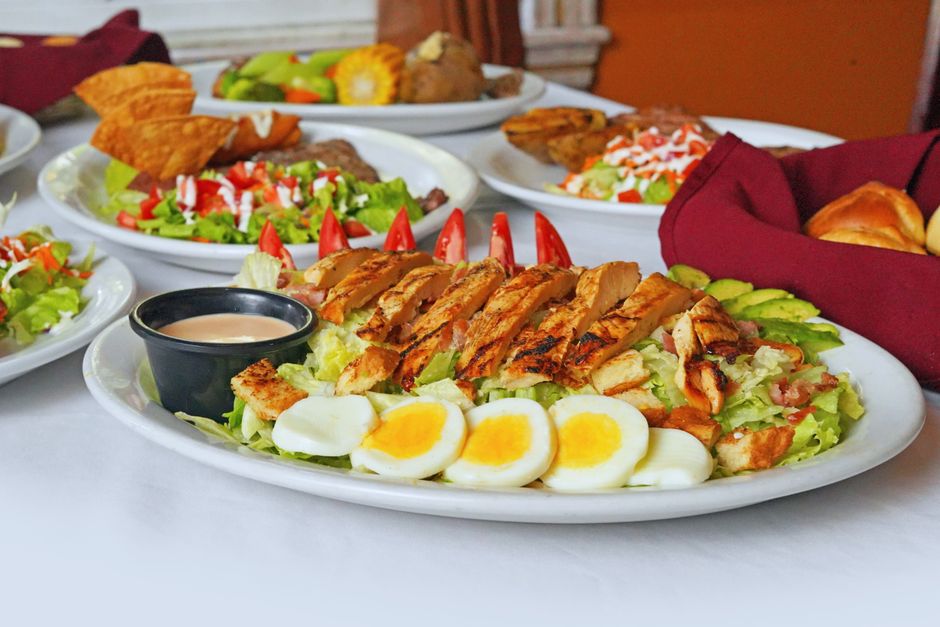
Steakhouses are genuinely the easiest. A ribeye or New York strip with a side of sauteed spinach or asparagus, no sauce or sauce on the side, gets you under 10g net carbs almost every time. The one thing people miss: compound butters on steaks often contain honey or brown sugar. Ask. Sounds fussy but takes four seconds.
Mexican is trickier than people think but more workable than they fear. A fajita plate with the proteins, peppers, and onions but no tortillas, no rice, no beans, and you ask for a side of guacamole and sour cream. That’s a solid meal. The problem: fajita marinades frequently contain sugar or citrus-juice blends that spike carbs. I’ll be honest, I don’t stress this much because the quantities are small, but if you’re very sensitive, it’s worth knowing. Avoid the chips-and-salsa breadbasket situation entirely by asking them to skip it when you sit down.
Thai and Chinese require the most care. Sauces in these cuisines, oyster sauce, hoisin, sweet chili, plum sauce, are often loaded with sugar. Stir-fries with clear garlic-ginger sauces are safer. Thai basil stir-fry (pad kra pao) made with fish sauce and minimal sugar is a reasonable pick. Explicit request: “no sugar in the sauce if possible” will sometimes get you a shrug, sometimes genuine accommodation. Worth asking.
Italian: skip the obvious pasta dishes, but don’t write off the whole menu. Grilled fish, branzino or salmon, with vegetables, saltimbocca, or a simple chicken dish with olive oil, all work. A reader named Priya emailed me after having a full Italian dinner, two glasses of wine included, and staying under 25g net carbs for the day by choosing osso buco with a side salad over the risotto she’d been eyeing.
Fast food exists on a spectrum. A McDonald’s double burger (no bun, no ketchup) runs about 4-5g net carbs. A Chipotle keto bowl (salad base, carnitas, fajita vegetables, guacamole, cheese, sour cream, salsa verde) lands around 12-15g depending on serving size. Current as of July 2026, Chipotle’s nutrition calculator on their website is reasonably accurate, one of the better tools in fast casual.
| Restaurant Type | Best Order | Estimated Net Carbs | Main Pitfall |
|---|---|---|---|
| Steakhouse | Steak + roasted vegetables, sauce on side | 6-10g | Compound butters with honey |
| Mexican | Fajita plate, no tortilla/rice/beans | 10-16g | Sugar in marinades |
| Thai | Basil stir-fry, no rice | 14-20g | Oyster/sweet chili sauces |
| Chinese | Steamed protein + vegetables, garlic sauce | 10-18g | Hidden starch thickeners |
| Italian | Grilled fish or chicken + salad | 8-14g | Asking for “gluten-free” pasta (still carbs) |
| American diner | Eggs, bacon, avocado | 4-8g | Hash browns mixed into the eggs |
| Fast casual salad | Protein + leafy greens + oil dressing | 8-14g | Candied nuts, dried fruit toppings |
| Sushi | Sashimi, no rice | 3-6g | Spicy mayo, eel sauce |
Alcohol: The Real Wildcard
Wine and spirits are carb-manageable. Dry red and white wines run 3-4g per 5oz pour. Spirits (whiskey, tequila, vodka) are essentially zero carbs. The problem is that alcohol slows fat oxidation for several hours after drinking, meaning your body deprioritizes ketone production while it clears the ethanol. A couple of drinks won’t kick you out of ketosis for days, but they will slow things down.
I don’t tell clients to avoid alcohol completely at restaurants. For most people that’s not realistic long-term. What I do say: skip the cocktails with simple syrups, juice mixers, or flavored sodas, those can run 20-30g of carbs in a single drink. A vodka soda with a lime wedge is fine. A mango margarita is not.
When Things Go Sideways
Scenario one: you’re at a work dinner, the restaurant is fixed, the menu is heavy on pasta, and there’s social pressure to “just order something.”
Action: Order the most protein-forward item on the menu, ask for any starch to be subbed with extra vegetables, and eat quietly without announcing your dietary choices to the table.
Result: Most clients who try this report it works fine. You might end up with a chicken dish that’s not ideal, or you budget a little looser that evening (30g instead of 20g), and life continues.
Scenario two: you’ve been eating out four nights a week for work travel, and you feel like you’re constantly guessing.
Action: Carry a small backup with you. I recommend keeping something like a bag of macadamia nuts, a few Chomps beef sticks, or a couple of individually wrapped cheese portions in your bag or laptop case. When dinner runs late or the restaurant is a disaster, you can eat enough to make a sensible choice rather than a starving one.
Result: Clients who do this consistently report fewer “blown nights” and less all-or-nothing thinking about restaurant meals.
Scenario three: you order carefully, feel good about the meal, then wonder the next morning why your blood glucose or ketones look odd.
What I tell people in this situation: restaurant kitchens share prep equipment, sauces carry over between dishes, and cross-contamination with starches is common. If you’re highly sensitive or using keto for medical reasons, you’ll need to be more specific with your requests, and even then, some variance is unavoidable. I don’t have good numbers on exactly how often this happens, so I can’t quantify it confidently, but it’s real enough that I flag it for clients with very tight therapeutic targets.
Sources
- Journal of the Academy of Nutrition and Dietetics (2019): Study on caloric content discrepancies in restaurant meals vs. menu listings.
- Chipotle Mexican Grill Nutrition Calculator: Current, brand-published nutritional data for customized menu builds.
- USDA FoodData Central: Reference data for standard food compositions, including condiments and sauces.
- Virta Health Clinical Data: Published outcomes from sustained ketogenic dietary interventions, including dietary adherence in real-world contexts.
- American Diabetes Association Standards of Care, 2025 edition: Carbohydrate guidance for low-carb diets, referenced in metabolic context.
Photo: Boris Hamer via Pexels
This article is for general informational purposes only and does not constitute medical or dietary advice. Always consult a licensed healthcare provider or registered dietitian before making significant changes to your diet, especially if you have a medical condition.