 Jake Torres
Most people assume fast-casual Mexican food is basically off-limits on keto. I used to think the same thing. Then I started actually mapping out what Chipotle puts in each component, and what surprised me was just how keto-adaptable the menu is once you stop thinking about it as a burrito restaurant and start treating it as a protein-and-fat assembly station.
Let me be honest, though: there are a few common ordering mistakes that will quietly blow your carb budget before you even realize it. I’ve seen clients come in convinced they’d been eating keto at Chipotle for weeks, and when we went through their actual order line-by-line, they were hitting 40-50 grams of net carbs without the tortilla. We fixed it in about five minutes. This article is that conversation.
The Actual Numbers (And Where People Go Wrong)
| Chipotle Component | Net Carbs per Serving | Keto Status |
|---|---|---|
| Flour burrito tortilla | 48g | Skip |
| Rice | 40g | Skip |
| Black/pinto beans | 22-23g | Skip (strict) or half-portion (relaxed) |
| Corn salsa | 26g | Skip |
| Fresh tomato salsa | 4g | Include |
| Tomatillo green-chili salsa | 4g | Include |
| Sofritas (tofu) | 9g | Avoid (highest-carb protein) |
| Fajita vegetables | 5g | Include |
| Chicken, steak, or carnitas | 0-1g | Include |
| Barbacoa | 2g | Include |
| Guacamole | 8g | Include |
| Cheese | 0g | Include |
| Sour cream | ~0g | Include |
| Queso blanco | 3-4g | Include (optional) |
The tortilla is the obvious cut. A Chipotle flour burrito tortilla has around 48 grams of net carbs on its own. Skip it, and you’ve just given yourself a lot of room to build a genuinely satisfying bowl.
Here’s where it gets interesting. The components most people think are “safe” are sometimes the ones that sting them.
Rice: 40 grams of net carbs per serving. Obviously skip it.
Black beans or pinto beans: Roughly 22-23 grams of net carbs per serving. This one surprises people. Beans have fiber, which does offset the total, but the net carb count is still high enough to wreck a strict keto day if you’re staying under 20-25 grams. If you’re doing a more relaxed low-carb approach at 50+ grams, a half-portion works. For strict keto, skip entirely.
Corn salsa: 26 grams of net carbs. This one genuinely trips people up because salsa sounds healthy. The fresh tomato salsa (also called pico de gallo) is what you want instead: around 4 grams of net carbs. Huge difference.
Sofritas: The tofu-based protein option runs about 9 grams of net carbs per serving, which isn’t terrible, but it’s the highest-carb protein on the menu. Not ideal.
The chips? Hard no. Unless you’re sharing one with the whole table and calling it a religious experience.
Building the Actual Order
Here’s what a solid keto bowl looks like at Chipotle.
Start with a salad bowl (no upcharge, just ask for it, or select it online). Lettuce as your base adds almost nothing in carbs and gives you bulk.
Protein: chicken, steak, or carnitas. All three come in at 0-1 grams of net carbs. Barbacoa is 2 grams, totally fine. Double protein is available for a few extra dollars and is worth it if you’re using this as a serious meal. I’d steer away from the sofritas if you’re strict.
Toppings that work: fajita vegetables (onions and peppers, sautéed, 5 grams of net carbs), fresh tomato salsa (4 grams), tomatillo green-chili salsa (4 grams, and it’s the spiciest), sour cream (essentially zero carbs), cheese (zero), guacamole (about 8 grams of net carbs per serving, worth it for the fat and satiety, though it’ll cost you an extra $2-3).
My actual order: salad bowl, double steak, fajita veggies, fresh tomato salsa, cheese, sour cream, guacamole. That runs me somewhere around 16-18 grams of net carbs. Plenty of fat. Genuinely filling.
The Lettuce Wrap Option, And Whether It’s Worth It
Nutritionist Shares Meal Plan For Doing Keto Over The Long Term · TODAY on YouTube
Chipotle sometimes offers a “lifestyle bowl” that’s essentially a burrito wrapped in romaine lettuce instead of a flour tortilla. The execution is, honestly, a little precarious. It falls apart. If you’re eating in the restaurant, it’s fine. If you’re eating in your car during a 45-minute commute (which, I’m told by several readers, is how most of them consume Chipotle), just get the bowl.
The bowl is better anyway.
What About Queso?
The queso blanco at Chipotle has around 3-4 grams of net carbs per serving. The research here is mixed on whether it belongs on a keto plate, not because of carbs specifically but because the ingredient list isn’t exactly clean-label. That said, if you’re doing practical keto and not biohacking optimization, a scoop of queso on your bowl is fine. It adds fat and flavor. Don’t overthink it.
A Contrarian Take: Don’t Stress the Salsa
Sources
- Anastasiia Lopushynska
- here is mixed on whether it belongs on a keto plate
- is genuinely easy to access
I’ve seen keto guides that tell you to skip all salsa at Chipotle to be safe. That’s bad advice. The fresh tomato salsa and the green tomatillo salsa are both under 5 grams of net carbs, they contain actual vegetables and fiber, and they’re probably the most nutritionally interesting thing on the line. Cutting them to save 4 grams of carbs while loading up on sour cream and cheese is a weird prioritization. Real food with micronutrients is worth the carb budget.
The corn salsa, yes, absolutely skip that one. But blanket salsa avoidance is overcautious in a way that makes keto harder to sustain and less pleasant. That’s ultimately what derails people.
One more thing: if you’re new to tracking carbs, use the Chipotle nutrition calculator on their website or app before you order. You can build your exact bowl and see the numbers before you’re standing at the counter. I always do this when I’m trying something new. Chipotle is one of the few fast food chains where complete, itemized nutrition data is genuinely easy to access.
Build it right and it’s a solid meal. That’s not hype, it’s just the numbers.
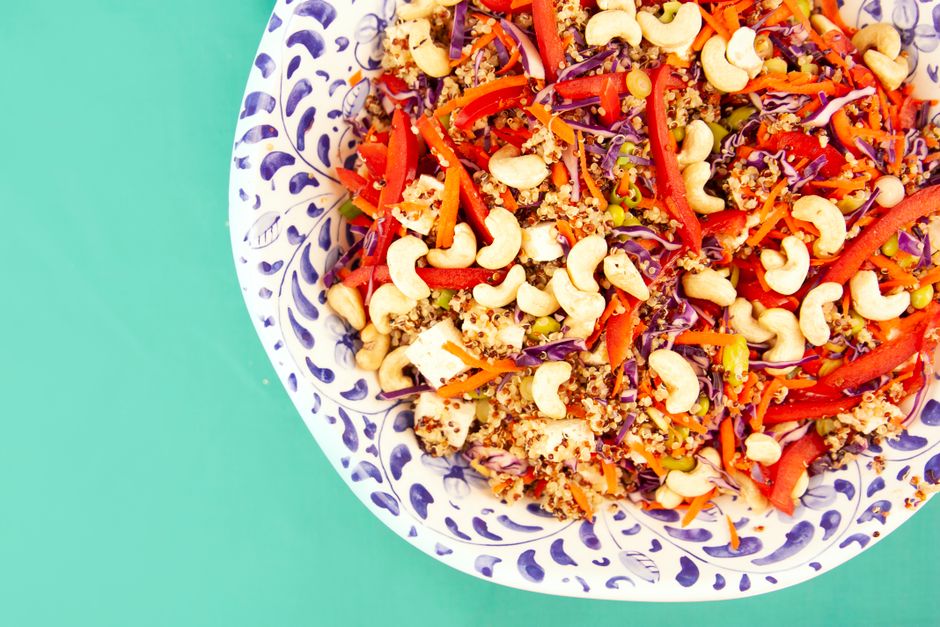
Photo: Anastasiia Lopushynska via Pexels
This article is for general informational purposes only and does not constitute medical or dietary advice. Always consult a licensed healthcare provider or registered dietitian before making significant changes to your diet, especially if you have a medical condition.