 Mark Chen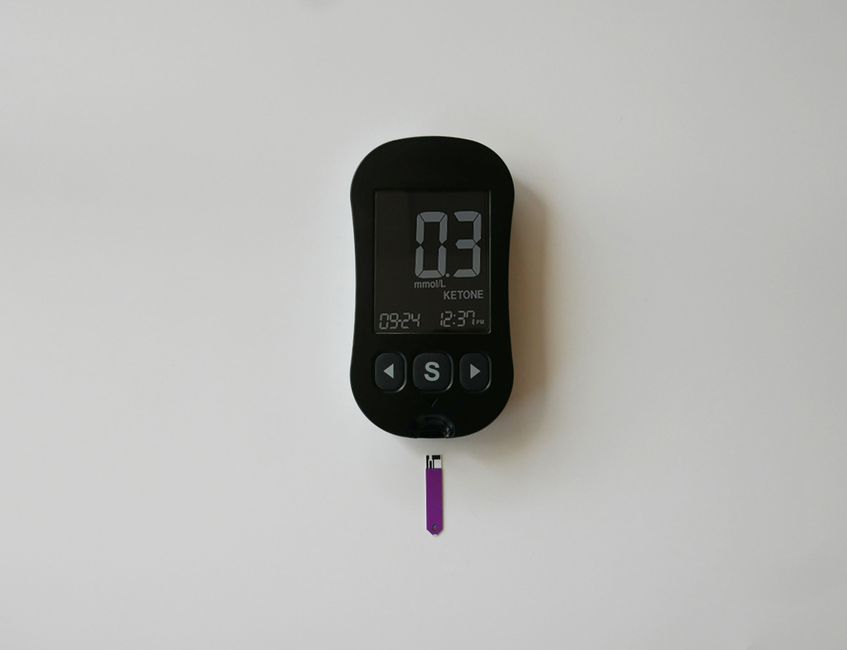
When RFK Jr. stood up in February 2026 and told the world that a ketogenic diet could cure schizophrenia, the backlash was immediate and predictable. Psychiatrists and pharmacists pushed back hard, calling his statement a dramatic overreach of what the science actually supports. And they weren’t wrong to push back. But here’s what’s getting lost in the noise: there genuinely is something happening in this space. The research is real, it’s accelerating, and it’s coming from places like Stanford, Harvard, and JAMA Psychiatry, not fringe wellness blogs. The honest conversation is more nuanced than either “RFK is right” or “this is dangerous quackery,” and it’s worth having.
What the Actual Research Shows (and Doesn’t)
| Study | Population | Duration | Outcome Measure | Result | Study Type |
|---|---|---|---|---|---|
| Sethi et al. (Stanford) | 21 adults with bipolar disorder or schizophrenia | 4 months | Clinical Global Impression severity scores | 31% improvement overall; 32% drop in BPRS (schizophrenia subgroup) | Pilot |
| Ohio State University | Students | ≥10 weeks | Depression symptoms | ~70% decrease | Controlled trial |
| Meta-analysis (St. Michael’s/University of Toronto) | Multiple studies on depression and anxiety | Various | Systematic review | Consistent direction of evidence | Meta-analysis |
| Standard antidepressants + counseling | Depression patients | Typical course | Response rate | ~50% | Clinical benchmark |
I’ll be honest, when I first started digging into the metabolic psychiatry literature, I expected to find a thin stack of small pilot studies propped up by enthusiast researchers. What I found was more interesting than that, and also more complicated.
The flagship work right now comes from Stanford psychiatrist Dr. Shebani Sethi, who coined the term “ketogenic metabolic therapy” (KMT) and has essentially founded the field of metabolic psychiatry. Her pilot study of 21 adults with bipolar disorder or schizophrenia found that after four months on a ketogenic diet, participants showed a 31% improvement in Clinical Global Impression severity scores. For the schizophrenia subgroup specifically, Brief Psychiatric Rating Scale scores dropped by 32%. Those are clinically meaningful numbers, not noise. But 21 people is 21 people. Pilots are hypothesis-generators, not proof.
The Ohio State study published in September 2025 is the one that really caught my attention. Researchers found roughly a 70% decrease in depression symptoms in students who followed a well-formulated ketogenic diet for at least 10 weeks. For context, the typical response rate you see with antidepressants plus counseling is around 50%. If that number replicates in larger controlled trials, it’s a genuine signal worth chasing. The word “if” is doing a lot of work in that sentence, and I want to be clear about that.
Then in January 2026, a meta-analysis landed in JAMA Psychiatry (vol. 83, issue 1) from researchers at St. Michael’s Hospital and the University of Toronto, systematically reviewing ketogenic diets for depression and anxiety. This is the kind of peer-reviewed weight that moves a conversation from “interesting preliminary finding” to “we should fund bigger trials now.” The meta-analysis doesn’t prove keto treats these conditions, but it does suggest the direction of evidence is consistent enough to take seriously.
The Gap Between “Promising Signal” and “Cure”
Here’s where RFK Jr.’s statement falls apart under scrutiny. Schizophrenia is a profoundly heterogeneous condition. Some patients have predominantly metabolic features, some don’t. The population in Dr. Sethi’s pilot was small, selected, and motivated enough to stick to a demanding dietary protocol. Calling that a cure is like pointing to a positive Phase 1 trial and announcing you’ve solved cancer.
What surprised me was how strongly the researchers themselves have pushed back against overclaiming. The 2026 Frontiers in Nutrition Delphi consensus paper, authored by experts from Harvard Medical School, Stanford, and the University of Edinburgh, is careful to frame KMT as an adjunctive intervention to be used alongside existing psychiatric care, not a replacement for it. The consensus explicitly addresses the need for medical supervision, structured implementation, and realistic expectations. These are serious scientists, and they’re not telling anyone to throw away their antipsychotics.
The pharmacists who responded to RFK’s statement in Pharmacy Times were right to be concerned about one specific thing: patients with schizophrenia and bipolar disorder stopping medication without medical guidance because a cabinet secretary told them a diet could cure them. That’s a real and preventable harm. The underlying science doesn’t justify that outcome.
Why the Mechanism Actually Makes This Plausible
Here’s the part I find genuinely compelling. The metabolic psychiatry hypothesis isn’t “eat fewer carbs and feel better.” It’s grounded in a specific mechanistic argument: that conditions like schizophrenia and bipolar disorder involve impaired glucose metabolism in the brain, and that ketones provide an alternative fuel source that bypasses that dysfunction. There’s also accumulating evidence around ketones reducing neuroinflammation and modulating neurotransmitter systems, particularly GABA and glutamate.
This isn’t a new idea. The ketogenic diet has been used as a treatment for refractory epilepsy since the 1920s, and the connection between epilepsy and mood disorders has a long research history. What’s new is the systematic application of that mechanistic reasoning to serious mental illness, and the infrastructure to study it properly. The research is mixed, the sample sizes are still modest, but the biological rationale is coherent in a way that matters.
What This Means If You’re Actually Dealing With Mental Illness
I want to be direct here, because this is a topic where false hope does real damage. If you or someone you care about has schizophrenia, bipolar disorder, or treatment-resistant depression, the current evidence does not support replacing psychiatric care with a ketogenic diet. The Delphi consensus paper makes this point explicitly: KMT is being studied as a complement to existing treatment, not a substitute.
What the research does suggest is that metabolic health and mental health are more tightly linked than psychiatry has historically recognized. If you’re in treatment for a serious mental illness and also dealing with metabolic issues, including weight gain from antipsychotics, insulin resistance, or metabolic syndrome, there may be real reasons to have a conversation with your care team about nutrition’s role in your overall treatment plan. That conversation should happen with your psychiatrist and a registered dietitian who understands both psychiatric medications and ketogenic protocols. The dietary demands here are not casual, and the interactions with psychiatric medication are real enough to require professional oversight.
The research is genuinely exciting. The mechanistic story is plausible. And the field is moving faster than most people realize. But we’re at the “fund more rigorous trials” stage, not the “we have a cure” stage, and the difference between those two things matters enormously when real people are making real decisions about serious illness.
Sources
- Can the Keto Diet ‘Cure’ Schizophrenia?, Pharmacy Times (February 2026)
- Ketogenic Diets and Depression and Anxiety: A Systematic Review and Meta-Analysis, JAMA Psychiatry (January 1, 2026)
- Awareness and Best Practices in Using Ketogenic Therapy to Treat Serious Mental Illness: A Modified Delphi Consensus, Frontiers in Nutrition (2026)
- Five Things to Know About Keto Therapy and Serious Mental Illness, Stanford Medicine (April 23, 2025)
- Keto Diet Reduces Depression Symptoms by 70% in New Ohio State Study, Fox News (September 10, 2025)
Photo: i-SENS, USA via Pexels
This article is for general informational purposes only and does not constitute medical or dietary advice. Always consult a licensed healthcare provider or registered dietitian before making significant changes to your diet, especially if you have a medical condition.