 Ryan Park
Your fasting insulin just came back at 28 µIU/mL. Normal is under 10. Your blood sugar looks fine on paper, but your body’s been quietly working overtime for years, pumping out insulin just to keep glucose in check. That gap between normal blood sugar and sky-high insulin is exactly where insulin resistance lives, and a lot of people spend a decade there before anyone gives them a real explanation.
If that sounds familiar, or if you’ve been told you’re “pre-diabetic,” carry weight around your midsection, crash hard after meals, or can’t lose weight no matter how little you eat, then understanding how a ketogenic diet works with insulin resistance might be the most useful thing you read this year.
What Insulin Resistance Actually Means (And Why It Matters)
| Metric | Normal Range | Early Insulin Resistance | Significant Insulin Resistance |
|---|---|---|---|
| Fasting Insulin | Under 10 µIU/mL | - | - |
| Fasting Glucose | Under 100 mg/dL | Over 100 mg/dL | Over 100 mg/dL |
| Hemoglobin A1C | Under 5.7% | 5.7-6.4% | 5.7-6.4% |
| HOMA-IR Score | Under 1.9 | 1.9-2.9 | Above 2.9 |
Insulin is a hormone your pancreas produces. Its main job is to act like a key, unlocking your cells so glucose can get inside and be used for energy. Insulin resistance means the lock is broken. Your cells stop responding normally to insulin’s signal, so your pancreas compensates by cranking out more and more of it.
For a while, this works. Blood sugar stays controlled. But fasting insulin keeps climbing, and over time the pancreas can’t keep up. That’s when blood sugar starts to rise too.
The clinical threshold for diagnosis is usually fasting glucose over 100 mg/dL or hemoglobin A1C between 5.7 and 6.4 percent. But those numbers are downstream consequences. Insulin resistance itself can be present for 10 to 15 years before blood glucose shifts significantly. The HOMA-IR score (Homeostatic Model Assessment of Insulin Resistance) is more sensitive. You calculate it by multiplying your fasting glucose in mg/dL by your fasting insulin in µIU/mL, then dividing by 405. A score above 1.9 suggests early insulin resistance. Above 2.9 is significant.
Why does this matter beyond a lab number? Elevated insulin promotes fat storage, particularly visceral fat around the organs. It drives inflammation. It raises triglycerides. It suppresses hormone-sensitive lipase, the enzyme your body uses to burn stored fat. In short, high insulin makes it metabolically very hard to lose weight, even in a calorie deficit, because your body’s fat-releasing machinery is being actively suppressed.
How a Ketogenic Diet Lowers Insulin
Carbohydrates are the primary driver of insulin secretion. Protein raises insulin moderately. Fat barely raises it at all. A standard ketogenic diet, typically 70 to 75 percent of calories from fat, 20 to 25 percent from protein, and under 5 percent from carbohydrates (usually 20 to 50 grams of net carbs per day), removes the dominant insulin stimulus from almost every meal.
When carb intake drops low enough, your liver starts producing ketone bodies, primarily beta-hydroxybutyrate (BHB), from fatty acids. Your brain and muscles can use these ketones directly for fuel. You bypass the need for glucose and, critically, the need for large amounts of insulin. Fasting insulin levels can drop meaningfully within days of starting a ketogenic diet.
One 2017 study published in Nutrition & Metabolism found that adults with type 2 diabetes following a ketogenic diet reduced their fasting insulin by an average of 30 percent within 10 weeks, while simultaneously reducing or eliminating diabetes medications.
The mechanism isn’t magic. It’s just removing the stimulus. If you want lower insulin, stop asking your pancreas to produce so much of it at every meal.
I’ve watched clients who struggled for years with a “healthy” diet high in whole grains, fruit, and lean protein, genuinely puzzled why they couldn’t lose weight. When we tracked their meals, they were eating 200 to 250 grams of carbs a day. Even “clean” carbs spike insulin. Switching to keto often produces a 2 to 4 pound drop in the first week from glycogen and water loss. But after week 3 or 4, when insulin comes down and lipolysis (fat burning) can actually activate, the real changes start to show.
What the Research Actually Says
Is Keto Linked to Insulin Resistance? What the Research Says · Metabolic Mind on YouTube
The evidence here is stronger than most people realize. A 2018 study in Diabetes Therapy followed 262 adults with type 2 diabetes through a continuous ketogenic diet program. After one year, 60 percent achieved an A1C below 6.5 percent (no longer meeting the diagnostic threshold for diabetes). Average fasting insulin dropped by 50 percent. Participants also reduced or eliminated an average of 1.5 diabetes medications each.
A well-cited 2004 paper by Dr. Eric Westman and colleagues at Duke University showed that a low-carbohydrate ketogenic diet improved glycemic control more than a low-fat diet in overweight patients with type 2 diabetes, even when total calorie intake wasn’t restricted.
More recently, a 2020 meta-analysis in BMJ Open Diabetes Research and Care reviewed 13 randomized controlled trials and found that low-carbohydrate diets (under 130 grams per day) produced greater reductions in A1C than higher-carb comparators at the 3- and 6-month mark. The effects were less pronounced at 12 months. That’s worth being honest about: adherence is a real challenge, and the diet you can actually stick to long-term will outperform any diet you abandon.
None of this means keto cures insulin resistance. It means it powerfully addresses the primary dietary driver of high insulin while you follow it. It buys your body a chance to become more sensitive to insulin again, particularly when combined with exercise, sleep, and stress management.
A Practical Keto Meal Plan for Insulin Resistance
Here’s what a realistic day of eating actually looks like when your goal is lowering insulin, not just hitting macros on a spreadsheet.
Step 1: Anchor meals to fat and protein, not carbs.
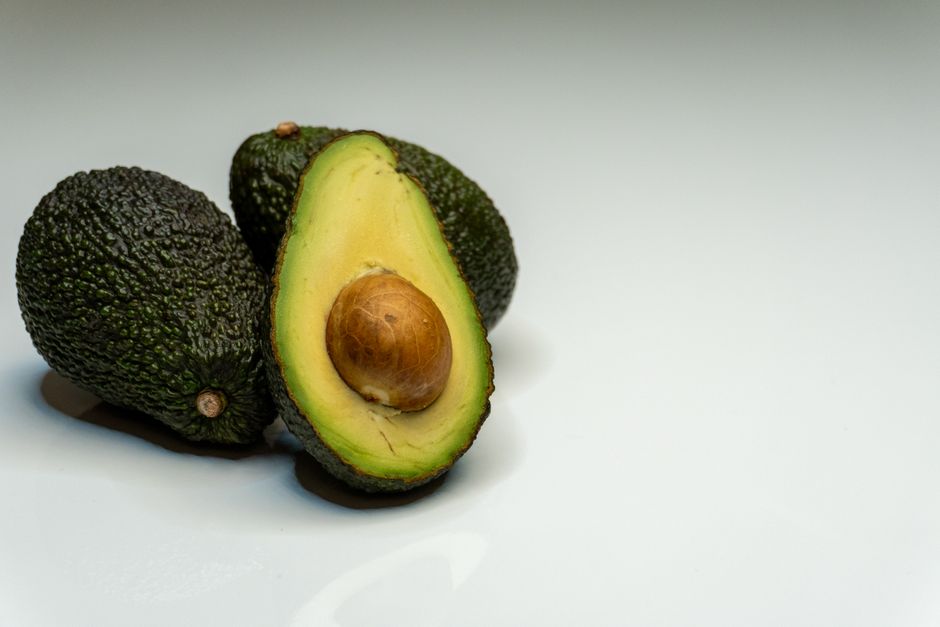
Breakfast doesn’t have to exist if you’re not hungry. Many people with insulin resistance do well with intermittent fasting (a 16:8 window is a good start) because skipping breakfast reduces the total number of daily insulin spikes to two instead of three or four. If you do eat breakfast, think 3-egg scramble cooked in butter with avocado and a handful of spinach. No toast. No fruit. No orange juice.
Step 2: Build lunch around a real food base.
Grilled chicken thighs (thighs have more fat than breasts, which helps satiety), a big leafy green salad with olive oil and red wine vinegar, and a quarter avocado. Total carbs: approximately 5 to 7 grams net. Total insulin response: minimal.
Step 3: Make dinner satisfying enough that you don’t snack.
A 6-ounce salmon fillet with roasted broccoli in olive oil and cauliflower rice sauteed with garlic. If you’re still hungry, a small handful of macadamia nuts. Macadamias are roughly 75 percent fat and under 2 grams of net carbs per ounce.
Step 4: Handle electrolytes deliberately.
Lower insulin causes your kidneys to excrete sodium more readily. Most people experience headaches, fatigue, and muscle cramps in the first 1 to 2 weeks of keto not because of ketosis itself, but because of electrolyte loss. Aim for 2,000 to 3,000 mg of sodium, 1,000 mg of potassium, and 300 to 400 mg of magnesium daily. An electrolyte supplement without sugar or maltodextrin can make this much easier. Lmnt and Nuun Sport are solid options. (This site may earn a commission on purchases.)
Step 5: Track at least for the first 4 weeks.
You don’t have to track forever, but insulin resistance is often caused partly by portion distortion and hidden carbs. A kitchen scale takes the guesswork out of whether those “two tablespoons” of almond butter were actually four. A basic digital food scale is cheap and useful. (This site may earn a commission.)
Keto vs. Other Dietary Approaches for Insulin Resistance
| Approach | Typical Carb Range | Effect on Fasting Insulin | Effect on A1C | Ease of Adherence |
|---|---|---|---|---|
| Standard American Diet | 250-350g/day | Worsens over time | Worsens over time | High short-term |
| Low-fat, calorie-restricted | 150-250g/day | Modest reduction | Modest improvement | Moderate |
| Mediterranean diet | 100-200g/day | Moderate reduction | Moderate improvement | High |
| Low-carb (non-keto) | 50-130g/day | Good reduction | Good improvement | Moderate-high |
| Ketogenic diet | Under 50g/day | Strongest reduction | Strongest short-term improvement | Lower, but doable |
The Mediterranean diet often wins in long-term adherence studies, and it does produce real improvements in insulin sensitivity. For someone with mild insulin resistance and no urgency, it’s completely reasonable. But for someone with significant insulin resistance, pre-diabetes, or type 2 diabetes who needs faster metabolic results? Keto has a stronger and faster effect on the insulin axis. That’s where I’d start them.
Common Mistakes That Slow Progress
Sources
- Lmnt and Nuun Sport
- A basic digital food scale
- Jonathan Borba
- published in Nutrition & Metabolism found that adults with type 2 diabetes fol
- Actually Says
The most frequent error I see is swapping carbs for protein without increasing fat enough. This matters because protein, especially in large amounts, can stimulate enough insulin to slow ketosis. Your fat intake should be high enough that you’re genuinely satiated between meals. If you’re eating mostly chicken breast and salad and feeling miserable, you’re doing low-calorie, not keto.
Second mistake: dairy overload. Heavy cream, cheese, and Greek yogurt are popular keto staples, but dairy contains lactose (a sugar) and triggers a surprisingly significant insulin response, particularly cheese and milk. Full-fat hard cheeses are lower in lactose, but if you’re stalling, pull back on dairy for two weeks and see what happens.
Third: hidden carbs in packaged “keto” foods. A lot of commercial keto bars and snacks contain maltitol, a sugar alcohol that behaves more like sugar than erythritol does and raises blood glucose meaningfully. Read ingredient lists, not just net carb counts.
And finally: not sleeping. Sleep deprivation raises cortisol, which raises blood glucose, which raises insulin. You can eat perfectly and undermine the entire effort with six hours of broken sleep a night.
The relationship between keto and insulin resistance is one of the most well-supported applications of a low-carbohydrate diet in the medical literature. It’s not a guarantee, and it’s not a permanent solution if treated as a short-term fix. But for someone whose metabolism has been struggling under chronically high insulin, removing the primary dietary trigger for insulin secretion is one of the most logical and effective moves available. Start with real food, get your electrolytes right, track your intake honestly for the first month, and measure what’s actually changing in your bloodwork. The numbers will tell you more than any scale.
Photo: Jonathan Borba via Pexels