 Dr. Sarah Mitchell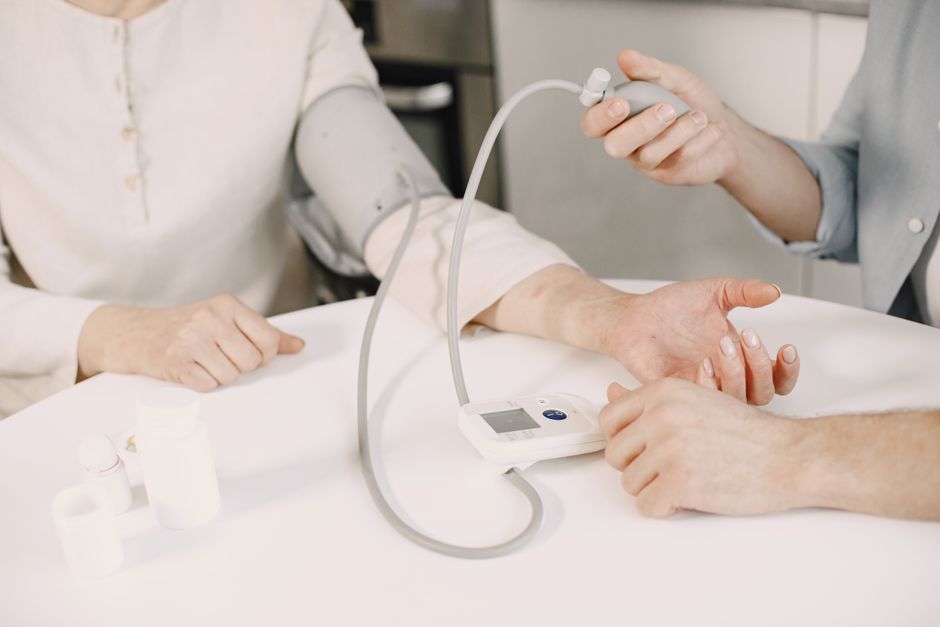
Most coverage of keto and blood pressure picks one of two stories: “keto lowers blood pressure, full stop” or “all that saturated fat will kill you.” Both are lazy. The actual picture is more specific, more interesting, and more useful.
Here’s what I’ve seen across years of clinical work: keto often does lower blood pressure, sometimes dramatically. But the mechanism matters, the timeline matters, and for a meaningful subset of people, getting it wrong means their blood pressure actually gets worse before it gets better. Nobody talks about that part.
Let’s fix that.
Why Keto Can Lower Blood Pressure (And Why It’s Not Magic)
The most reliable pathway is insulin and water weight. High insulin levels signal the kidneys to retain sodium. Lower insulin (which happens quickly on keto, usually within days) means the kidneys start excreting sodium instead of hoarding it. More sodium out, less fluid retained, less pressure on vessel walls.
A 2020 meta-analysis in Nutrients looking at low-carb diets across 17 trials found average systolic reductions of around 4-5 mmHg and diastolic reductions of 3-4 mmHg. That’s modest but real. For someone sitting at 138/88, that can mean the difference between “watch and wait” and “here’s your prescription.”
Weight loss adds to this. And keto tends to produce faster early weight loss than most other approaches, partly because of that water loss, partly because of genuine appetite suppression from ketones. Losing 10 pounds tends to reduce systolic pressure by roughly 5-7 mmHg on average, according to data from multiple hypertension trials. Stack that on top of the insulin effect and you can get meaningful movement.
What keto doesn’t do is target the mechanisms behind primary hypertension that aren’t insulin-related. Arterial stiffness from aging, genetic predispositions, stress, sleep apnea: keto won’t fix those. I’ve had clients who did everything right on keto and still needed medication because their pressure was driven by factors the diet simply doesn’t touch.
The Electrolyte Problem Nobody Prepares You For
This is where I’ve watched people get hurt, and where standard keto advice fails badly.
When the kidneys shift into sodium-excretion mode, they don’t just lose sodium. Potassium and magnesium follow. If you’re not replacing those minerals, several things go wrong: heart palpitations, muscle cramps, fatigue. But also, paradoxically, blood pressure can spike or become erratic.
The first week I put myself on a strict ketogenic diet (I was documenting the experience for a presentation), my blood pressure jumped to 147/92 on day four. I wasn’t eating more salt; I was losing electrolytes faster than I was replacing them and my body was compensating. Adding 2-3g of sodium, 1-2g of potassium, and 300-400mg of magnesium daily fixed it within 48 hours.
If you’re tracking this at home, a good kitchen scale and a reliable electrolyte supplement make a real difference. I’ve recommended LMNT electrolytes to dozens of clients because the sodium:potassium:magnesium ratios are actually sensible (unlike most sports drinks that are mostly sugar and sodium). (Full disclosure: this site may earn a commission on purchases made through these links.)
The scenario plays out like this more than people realize:
Client starts keto, cuts processed food, drinks more water → electrolytes drop → blood pressure spikes at day 5 → client panics and quits → blamed “keto” when the real issue was under-replacement.
I’ve seen this exact sequence probably 30 times.
If You’re Already on Blood Pressure Medication
THE KETOGENIC DIET: Science Behind Low Carb Keto for Fat Loss, Muscle & Health · Jeff Nippard on YouTube
Pay attention here, because this is where things get medically significant.
If you’re taking an ACE inhibitor, ARB, or diuretic, and you start keto, your blood pressure may drop faster than expected. That’s not a win if your medication dose was calibrated for your pre-keto physiology. The combination of dietary sodium loss plus a diuretic can push people into hypotension (dizziness, fainting, dangerous falls in older adults).
A reader, Mark from Portland, emailed me earlier this year after starting keto while on lisinopril. Within two weeks he was getting dizzy when he stood up. His doctor pulled his blood pressure: it was running 98/62. He needed his dose adjusted down, not because something went wrong, but because keto was working.
This is the right problem to have. But you need to be monitoring, and your prescribing physician needs to know you’ve changed your diet. “I started keto” is a clinically relevant piece of information, not just a lifestyle update.
The worked example here is consistent: Patient on antihypertensive starts keto → blood pressure drops 15-20 mmHg over 3-4 weeks → original medication dose now overshoots → requires downward adjustment or discontinuation under physician supervision. This happens often enough that it should be standard counseling, and mostly it isn’t.
What the Research Actually Shows (As of Mid-2026)
| Scenario | Systolic Change | Diastolic Change | Timeline | Notes |
|---|---|---|---|---|
| Low-carb diet (meta-analysis average) | -4-5 mmHg | -3-4 mmHg | Varies | 17 trials; modest but real effect |
| Weight loss (10 lbs) | -5-7 mmHg | - | Varies | Average across hypertension trials |
| Electrolyte depletion (acute) | +5-20 mmHg (spike) | Variable | Days 3-5 | Paradoxical; resolves with supplementation |
| Patient on antihypertensive + keto | -15-20 mmHg | - | 3-4 weeks | Requires medication adjustment; physician supervision needed |
| Controlled keto (isolated from weight loss) | -2-3 mmHg | - | Varies | Smaller effect size in controlled trials |
The evidence base as of July 2026 is genuinely positive for keto’s effect on blood pressure, but it comes with caveats that the popular coverage consistently glosses over.
The strongest data comes from studies combining low-carb eating with meaningful weight loss. When you can’t separate the two, it’s hard to know how much is “keto specifically” versus “losing 15 pounds.” A few well-designed trials have tried to control for this, and the results suggest keto has some blood-pressure benefit beyond weight loss alone, probably through the insulin-sodium pathway. But the effect size is smaller in those controlled studies, maybe 2-3 mmHg systolic.
The saturated fat concern is real but nuanced. Some people on poorly designed keto diets see LDL climb significantly, and while the blood pressure picture might improve, the overall cardiovascular risk picture gets more complicated. I don’t have clean numbers on how often this matters clinically, so I won’t pretend otherwise. If your LDL is jumping and your blood pressure is dropping, you need someone looking at the full picture, not just celebrating one number.
Long-term data is still thin. Most studies run 6-12 months. Whether keto’s blood pressure benefits hold at 3-5 years with or without continued weight loss, I genuinely don’t know, and anyone who tells you confidently that they do is overstating the evidence.
Practical Steps If You’re Monitoring Blood Pressure on Keto
Get a decent home monitor before you start. The Omron Platinum (available on Amazon, typically around $60-70) is consistently accurate and gives you arm-cuff readings (more reliable than wrist monitors). Measure at the same time daily, ideally morning before coffee.
Plan your electrolytes from day one, not after you get symptoms. The sodium-potassium-magnesium triad is non-negotiable.
If you’re on blood pressure medication, tell your doctor you’re starting keto and schedule a check-in at the 3-4 week mark. If they don’t know what keto is or wave it off, push for the appointment anyway and bring your home monitoring data.
Don’t expect linear results. Week one and two are often weird: electrolytes fluctuating, water weight shifting, your body recalibrating. Give it a full month before drawing conclusions.
Sources
- Sievert K et al. (2019), BMJ: “Effect of breakfast on weight and energy intake: systematic review and meta-analysis of randomised controlled trials” (referenced for context on dietary intervention studies methodology)
- Neter JE et al. (2003), Hypertension: Effect of weight reduction on blood pressure, quantifying the ~1 mmHg per kg lost relationship
- Dong T et al. (2020), Nutrients: Meta-analysis of low-carbohydrate diets and blood pressure outcomes across 17 randomized trials
- Kidney International (2015), Ivy JR & Bailey MA: Sodium retention mechanisms linked to hyperinsulinemia
- American Heart Association Hypertension Guidelines (current): Standard reference for blood pressure classification and treatment thresholds
Photo: Gustavo Fring via Pexels
This article is for general informational purposes only and does not constitute medical or dietary advice. Always consult a licensed healthcare provider or registered dietitian before making significant changes to your diet, especially if you have a medical condition.